



























Watches · Checked 21 Oct 2026
Luxury watches for people who travel
A watch is the one luxury you wear through every airport. These guides pick the models worth owning if you cross time zones, priced in pounds, with where to buy each one new or pre-owned, and who should skip it.
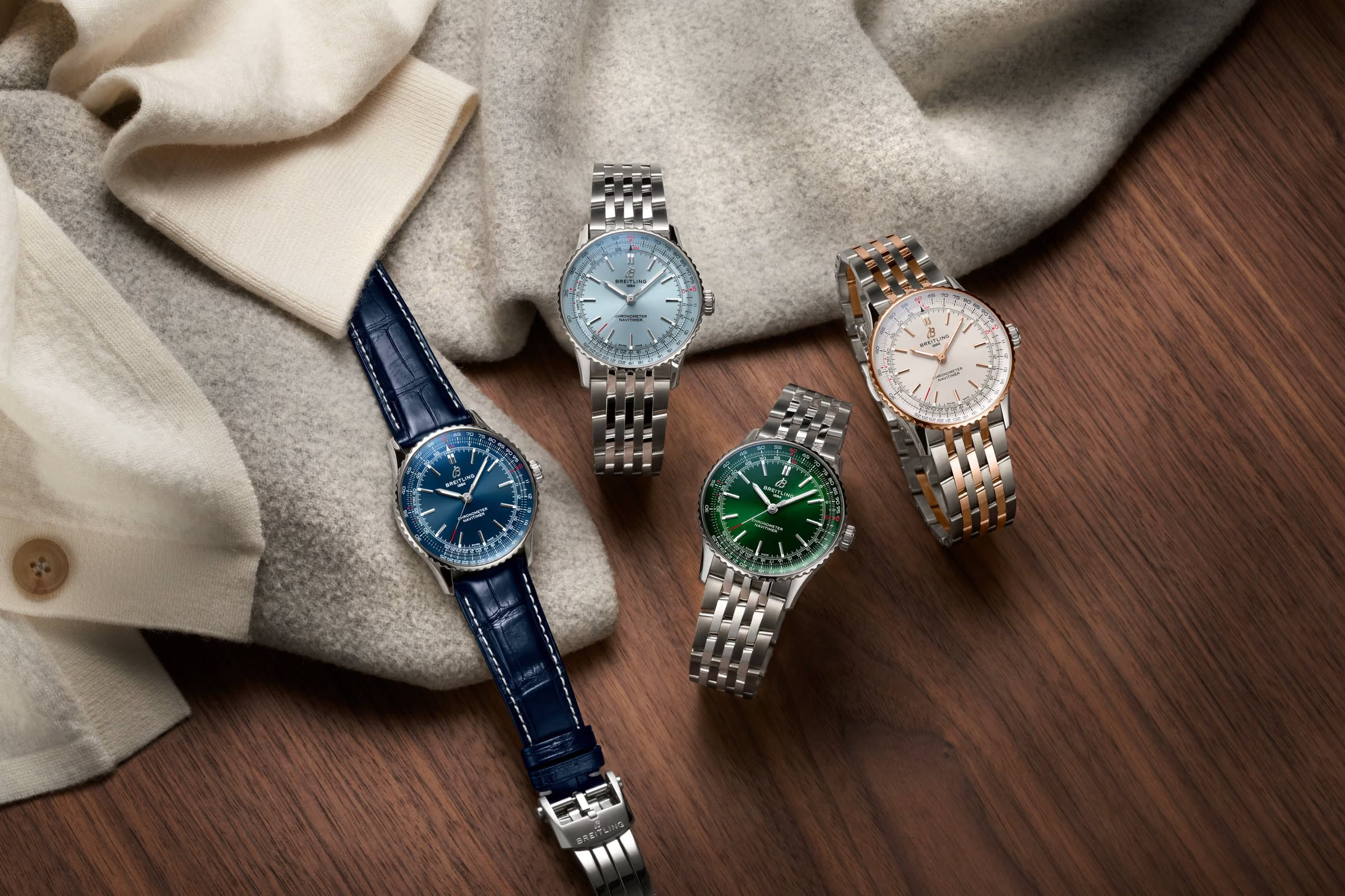
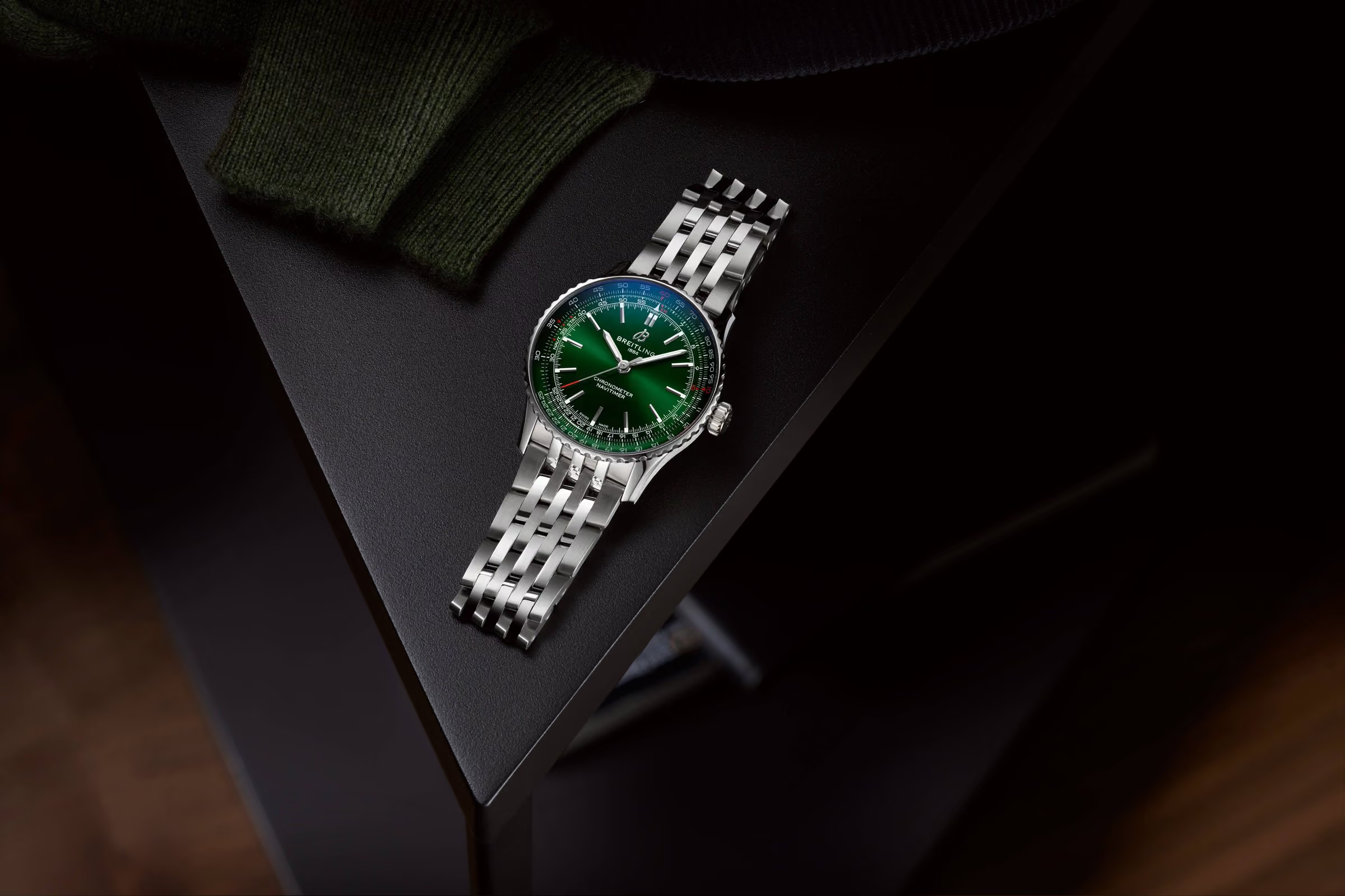
Navitimer Automatic 41. Photo: Breitling
The short answer
The best luxury watches for travel, by budget
The luxury watches worth taking on a trip do one job better than a phone: they show home time and local time at a glance, without unlocking anything. For most people that means a GMT watch in steel, about 39 to 41mm, on a bracelet you can adjust in your seat. Here is what each budget buys, at UK prices we read on 21 October 2026.
- About £1,000Christopher Ward C63 Sealander GMTfrom £1,025The British-designed travel watch for a first serious purchase. The 2026 second generation is £1,025 on leather and £1,190 on a bracelet, the same price in 36, 39 and 42mm, direct from Christopher Ward.
- About £3,000Longines Spirit Zulu Time 39mm£2,900A Swiss GMT with a real aviation story behind the name, at Beaverbrooks. The 39mm size suits most wrists and sits under a cuff.
- About £4,000Tudor Black Bay 58 GMT£4,110Our pick for most people: a proper travel GMT, 39mm, with a bracelet you can adjust on the wrist. Listed at Chisholm Hunter.
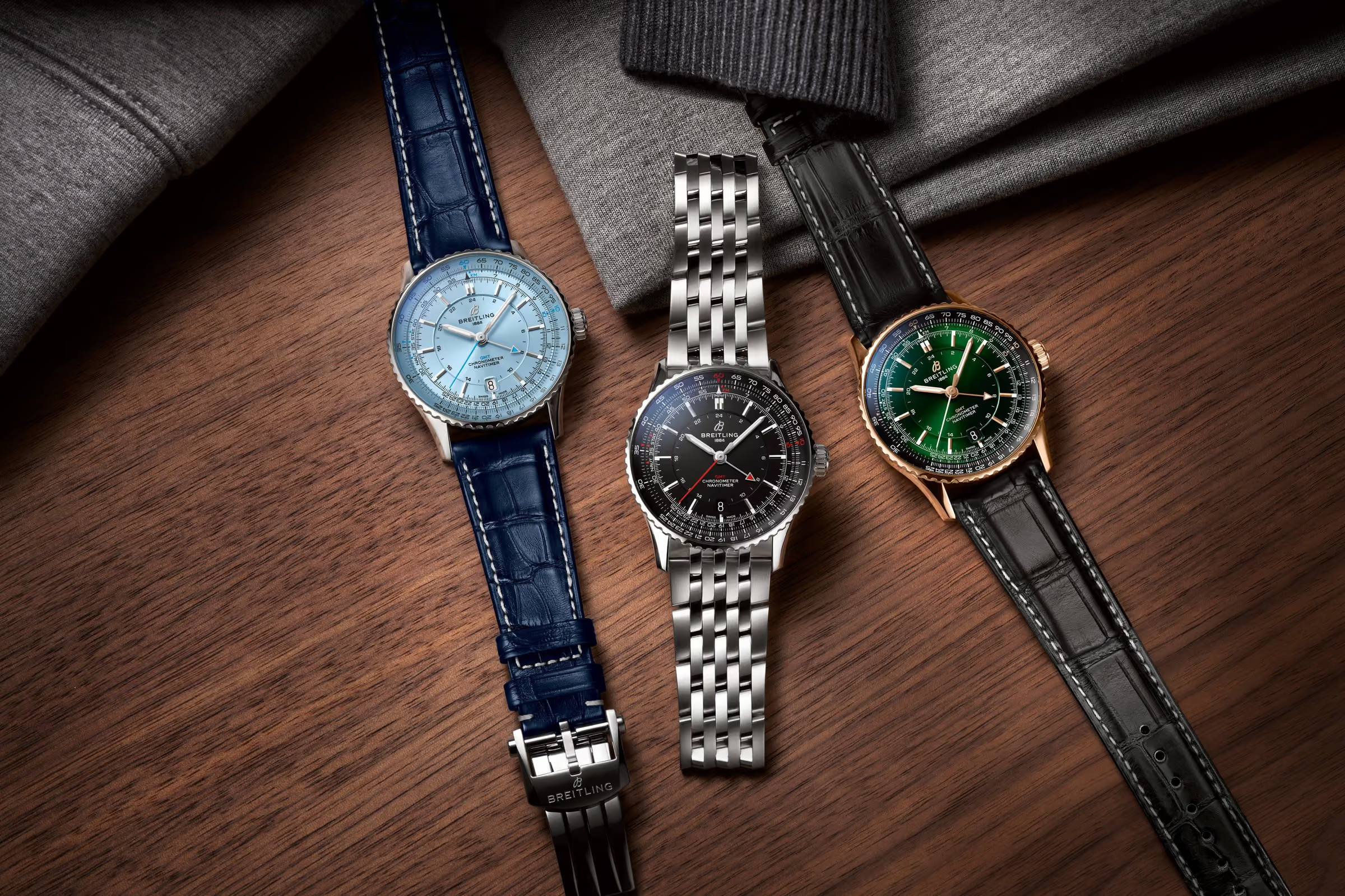
- About £5,000Breitling Navitimer Automatic GMT 41£5,150The pilot's watch everyone recognises, without the chronograph: the Navitimer look with a 24-hour hand added. Black dial, at Beaverbrooks.
- £10,000 and upRolex GMT-Master II£9,850 listThe original travel watch. The 'Batman' 126710BLNR lists at £9,850 on Rolex's UK site, but waiting lists are long, so most people buy pre-owned: Watchfinder listed it from £14,350 to £17,250.
Prices are the retailer's own listing on the date above, or the dated source named in the note. They move; check before you buy. We are not paid by any of these brands.
Before you choose
What makes luxury watches good for travel
Five things matter more on the road than the badge on the dial.
A second time zone
This is the one job a travel watch does better than a phone. A GMT watch adds a fourth hand that goes round once every 24 hours, read against a 24-hour bezel or dial ring, so you can keep home time while the main hands show local time. On a 'true' GMT the local hour hand jumps forward or back in one-hour steps without stopping the watch, which is what you want when you land. On an 'office' or 'caller' GMT you set the 24-hour hand instead, which is fine for keeping an eye on one other city. Our GMT guide says which kind each model is.
Enough water resistance to forget about it
Look for 100 metres. That is the sensible floor for swimming in a hotel pool or the sea without a second thought. A watch rated 30 or 50 metres is fine for rain and washing your hands, not for a holiday in the water. If the crown screws down, screw it down before you swim.
A size that goes under a cuff
Between 39 and 41mm suits most wrists and slides under a shirt cuff at dinner. Bigger watches catch on bag straps and seat belts and get noticed more than you may want in a busy street. Titanium is lighter than steel if weight bothers you on a long flight.
A bracelet you can loosen on a long flight
Wrists swell in heat and at altitude. A clasp with a tool-free micro-adjustment, which most of the brands in these guides now offer on their bracelets, lets you add a few millimetres in your seat and take them back off after landing. If you prefer a strap, pick one you can change without tools.
A warranty and a service centre you can reach
Check how long the warranty runs, that it is registered in your name, and where the brand's UK service centre is. A watch that has to go abroad for a service is a watch you will not wear for months.
The section
Our luxury watches guides
Twelve guides, built around the models people actually search for and buy. Each one gives the price new and pre-owned, who it suits, who should skip it, and where to buy it safely. They go live one by one; this list fills in as they do.
- 01GMT watchesThe eight worth buying, and what a true GMT isRead the guide
- 02Pre-ownedHow to buy a used luxury watch without getting burnedRead the guide
- 03Insurance and travelCovering a watch abroad, and the kit to carry it inRead the guide
- 04Rolex SubmarinerThe honest guide to the most famous dive watchComing in November
- 05Rolex GMT-Master IIBatman, Pepsi and the traveller's caseComing in November
- 06Omega SeamasterThe one-watch case for a single good watchComing in November
- 07Tudor Black Bay 58The sensible Rolex, and why people choose itComing in November
- 08Breitling NavitimerThe pilot's chronograph and its GMT siblingComing in November
- 09Under £1,000The best travel watches for a first purchaseComing in November
- 10Rolex DatejustAnd the Oyster Perpetual, the everyday RolexComing in November
- 11The ones you cannot buyNautilus, Royal Oak, Overseas and ReversoComing in November
- 12Where to buyAuthorised, pre-owned and grey market, comparedComing in November
Where we buy
New, pre-owned or grey market
There are three ways to buy a luxury watch in the UK, and the right one depends on the model as much as the money.
New, from an authorised retailer
You get the full warranty, the box and papers, and a shop to go back to. In the UK, Goldsmiths and Beaverbrooks are the two big chains, and between them they stock Tudor, Breitling, Omega and Longines. Expect to pay list price on popular steel models; discounts are rare.
Pre-owned, from a specialist
The market sets the price. For most brands that is below list, sometimes well below. For the most wanted Rolex steel sports models it is above. Buy from a dealer or marketplace that authenticates the watch and gives its own warranty, such as Watchfinder, or from an eBay listing covered by its authenticity guarantee. Our pre-owned guide walks through the five checks before you pay.
Grey market
New and unworn, but sold outside the brand's own dealer network. The price can be better and there is no wait. The catch is the warranty: make sure the card is filled in, dated and stamped, and that the brand will honour it in the UK.
When a link on these pages earns us a commission, we say so beside it. How we are paid.
On the road
Travelling with a good watch
Most watch losses on holiday are boring: a bag left in a taxi, a watch left by a pool. Five habits cover almost all of it.
- Wear it through security and on the plane. Never put a good watch in checked luggage.
- Photograph the watch, the back of the case and the warranty card before you go, so you can prove what you own if it goes missing.
- Use the hotel safe when you are not wearing it, and do not leave it on a sunbed.
- Check your home insurance before you travel. Many contents policies cap any single item at a couple of thousand pounds unless you list it by name, and some do not cover jewellery and watches away from home at all.
- If you buy a watch abroad, anything over your duty-free allowance has to be declared when you come back to the UK.
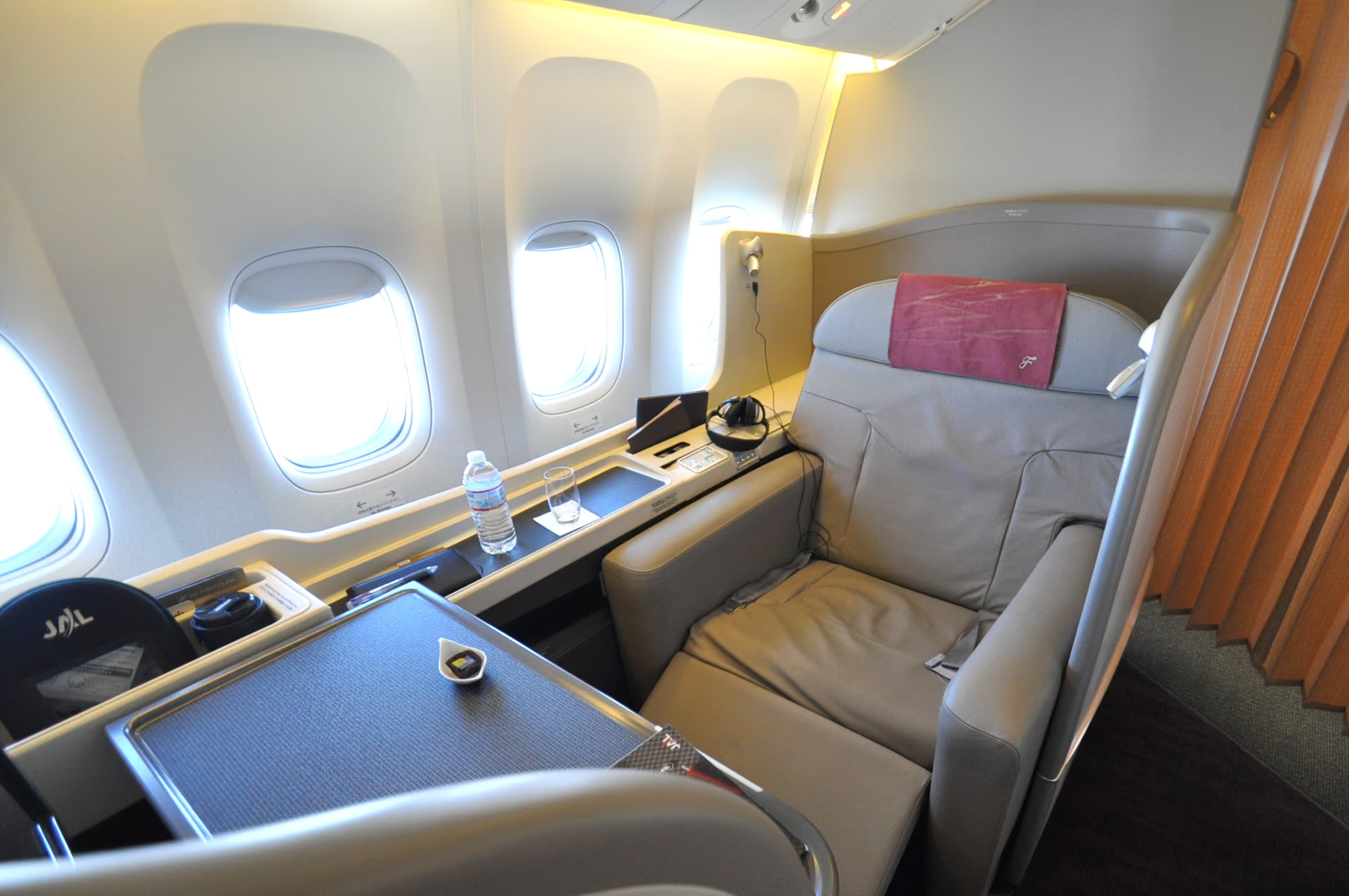
The GOV.UK guide to bringing goods into the UK for personal use sets out the current allowances. If you are flying long haul in comfort, our guides to first class and Heathrow's VIP terminal are the natural next read.
How we choose
Watches we would wear through an airport
We pick watches for people who travel, not for collectors chasing a reference number. A watch makes these guides if it does the travel job well, if it is sold through UK retailers or a reputable pre-owned market, and if we can say plainly who should buy it and who should not.
Every price is a UK retailer's own listing or a named, dated price source, read on the date shown. Brand photographs come from the brands' own press offices and are credited under each image; where we have no photograph of the exact watch, we describe it rather than show a different one. No brand pays for a place, and nothing here is investment advice: buy a watch because you want to wear it. How we choose everything else.
Questions
Luxury watches: what people ask
What is the best luxury watch for travel?
A GMT watch in steel, about 39 to 41mm, on an adjustable bracelet. For most people we think that is the Tudor Black Bay 58 GMT (£4,110 at Chisholm Hunter on 21 October 2026). If budget allows and you are happy to buy pre-owned, the Rolex GMT-Master II is the original and still the benchmark.
What is a GMT watch?
A watch with an extra hand that goes round once a day, read against a 24-hour scale, so it can show a second time zone. The name comes from Greenwich Mean Time. Rolex made the first well-known one, the GMT-Master, in 1954 for Pan Am crews flying long routes.
Is it safe to wear a luxury watch abroad?
Mostly, with sense. Wear it rather than packing it, keep it under a cuff in crowded places, use the hotel safe, and know what your insurance covers before you go. A plain steel watch on a bracelet draws far less attention than a large gold one.
Should I buy a luxury watch new or pre-owned?
New if you want the full warranty and the experience of buying it. Pre-owned if you want more watch for the money or a model with a waiting list. Buy pre-owned only from a seller that authenticates the watch and gives a warranty of its own.
Which luxury watch brands are worth buying?
For travel, the brands that make a good GMT at each budget: Christopher Ward under £1,000, Longines around £3,000, Tudor and Breitling around £4,000 to £5,000, and Omega and Rolex above that. Each one we cover gets its own guide, with who it suits and who should skip it.
Do I need special insurance to travel with a watch?
Possibly. Look at your contents policy for a single-item limit and for cover away from home. If the watch is worth more than the limit, list it by name or take out a specialist policy. Our insurance and travel guide explains the options.
Sources, read on 21 October 2026: Beaverbrooks: Longines Spirit Zulu Time 39mm · Chisholm Hunter: Tudor Black Bay 58 GMT 39mm (M7939G1A0NRU-0002) · Beaverbrooks: Breitling Navitimer Automatic GMT 41mm (A32310251B1P1) · Christopher Ward: C63 Sealander (October 2026) · Rolex UK: GMT-Master II 126710BLNR-0003 · Watchfinder: 126710BLNR listings · GOV.UK: bringing goods into the UK for personal use