
Asia · When to go
The best time to visit Japan, month by month
Blossom in spring, maples in autumn, powder in winter. Japan rewards good timing more than almost anywhere, and punishes the wrong week just as hard.
Photo: Unsplash
The short answer
When to go, in one paragraph
The best time to visit Japan is late March to early April, when the cherry blossom opens in Tokyo and Kyoto, or from late October to early December, when the maples turn red from Hokkaido south to Kyushu. Both windows bring mild, dry days and the country at its most beautiful, but also its busiest hotels. Winter is the third great season: January and February bring Hokkaido's famous powder and onsen in the snow. Avoid the rainy season from June to mid-July and the national holiday crush of Golden Week.
- For cherry blossomLate Mar to early AprTokyo first, Kyoto a few days later, Hokkaido in early May.
- For autumn colourLate Oct to early DecMild, settled days and maples peaking in Tokyo and Kyoto from late November.
- For powder snowJan to FebNiseko's deepest, lightest snow, with backcountry gates open by mid-January.
Checked on 16 October 2026 against japan-guide.com: When do the cherry blossoms bloom?, japan-guide.com: Golden Week and Japan National Tourism Organization: Autumn leaves forecast.
Pick your month
Turn the year
- October
- Settled, comfortable weather returns. Hokkaido's maples peak through the month and the colour moves south. A very good month for the whole country, before the autumn crowds build.
- What's on
- Hokkaido and Tohoku autumn colour
- Prices
- High: book well ahead
Blossom and leavesShoulderRain, heat and storms
Japan month by month
- JanuaryShoulder · Shoulder in cities, peak at ski resortsCold, clear and quiet in the cities once New Year passes. In Hokkaido this is the month for powder, and the light snow Niseko is famous for. Niseko powder, onsen in the snow.
- FebruaryShoulder · Low in cities, high at ski resorts around Chinese New YearStill deep winter in the north, with a stable snowpack and more sunshine than January. The cities are crisp and uncrowded, ideal for temples and long dinners. Hokkaido snow, Okinawa's early blossom.
- MarchBlossom and leaves · Peak in the last week: book months aheadWinter loosens its grip. Tokyo's blossom opens around 24 March on average, so the last week turns the capital pink. Spring skiing continues in Hokkaido with shorter lift queues. First sakura in Tokyo and Fukuoka.
- AprilBlossom and leaves · Peak: book months aheadKyoto reaches full bloom around 4 April on average, and the first week is the most sought after of the year. Golden Week begins on 29 April, so leave before it. Kyoto and Osaka in full bloom.
- MayShoulder · Peak to 5 May, shoulder afterThe first days belong to Golden Week, when trains and hotels are full. After 6 May the country exhales: green, warm and calm, with blossom arriving in Sapporo. Hokkaido blossom, fresh green Kyoto.
- JuneRain, heat and storms · Low: often the cheapest month to flyTsuyu, the rainy season, usually reaches Tokyo and Kyoto in early June. Grey, humid days, but hydrangeas flower and Hokkaido escapes the rain entirely. Hydrangeas, Hokkaido's long days.
- JulyRain, heat and storms · Shoulder: rain early, heat laterThe rains usually end by mid-July, then the heat builds. The Fuji climbing season opens on the Yoshida Trail at the start of the month. Mount Fuji climbing season, summer festivals.
- AugustRain, heat and storms · High around ObonHot and humid in Tokyo, and the busiest stretch of typhoon season begins. Obon, around 13 to 16 August, fills trains and roads as families head home. Obon, summer festivals, Fuji climbing.
- SeptemberRain, heat and storms · ShoulderTyphoons are most active in August and September, so keep plans flexible. The Fuji season ends around 10 September, and the first colour appears on Hokkaido's high peaks. Early leaves on Mount Kurodake.
- OctoberBlossom and leaves · High: book well aheadSettled, comfortable weather returns. Hokkaido's maples peak through the month and the colour moves south. A very good month for the whole country, before the autumn crowds build. Hokkaido and Tohoku autumn colour.
- NovemberBlossom and leaves · Peak: book months aheadThe great autumn month. Tokyo's maples are forecast to peak around 29 November in 2026, and Kyoto's ginkgo turns gold in late November. Kyoto's ryokan fill quickly. Koyo in Tokyo, Kyoto and Hakone.
- DecemberShoulder · Low early on, peak from ChristmasKyoto's last maples linger into early December, then winter arrives. Niseko has usually opened by the start of the month, quiet until the Christmas and New Year rush. Late Kyoto leaves, first powder.
Late March · Tokyo and Kyoto
Chasing the blossom
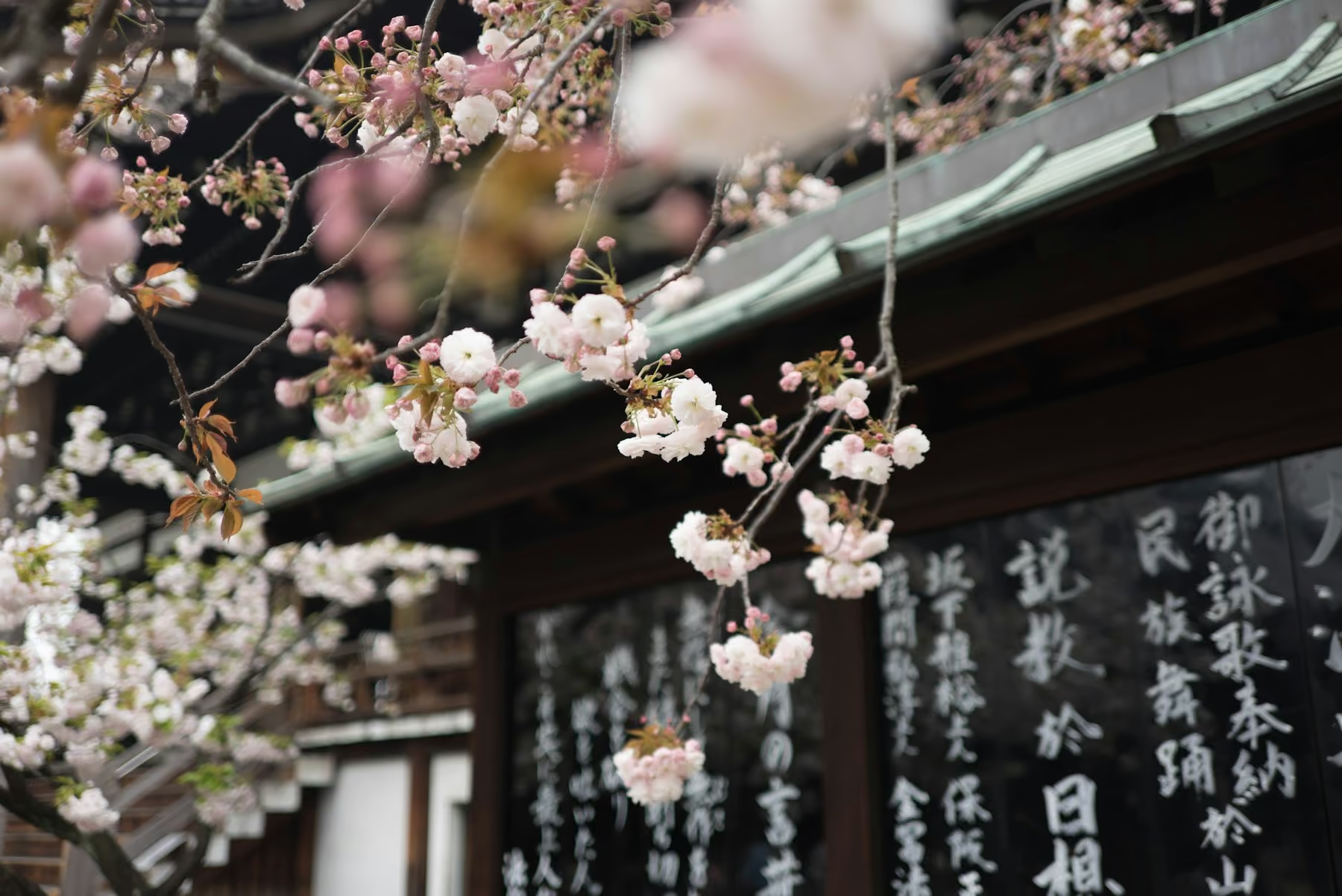
Sakura season is short and moves fast. Tokyo's Somei Yoshino trees open around 24 March on average and reach full bloom about a week later. Kyoto follows, with full bloom around 4 April. Peak beauty lasts roughly a week before the petals fall, and wind or rain can cut it shorter. Dates swing by about a week either way depending on the weather in the weeks before. The trick is to build in flexibility: base yourself in Tokyo first, then take the train to Kyoto as the forecasts firm up.
Forecasts often quote the first opening, not full bloom. Full bloom usually comes about a week after the first flowers open.
29 April to 5 May · Everywhere
The week to avoid
Golden Week strings four national holidays into seven days: Showa Day on 29 April, then Constitution Day, Greenery Day and Children's Day from 3 to 5 May. It is one of Japan's three busiest holiday seasons, alongside Obon and New Year. Bullet trains, airports and famous sights are packed, and hotels in tourist areas sell out well ahead. Flights and rooms rise sharply too. The answer is simple: finish your blossom trip by late April, or arrive after 6 May, when the country is green, warm and quiet.
The exact length of Golden Week changes each year with how the weekends fall. Check Japan's official holiday calendar before you book.
July to September · Fuji and the festivals
Summer, on its own terms
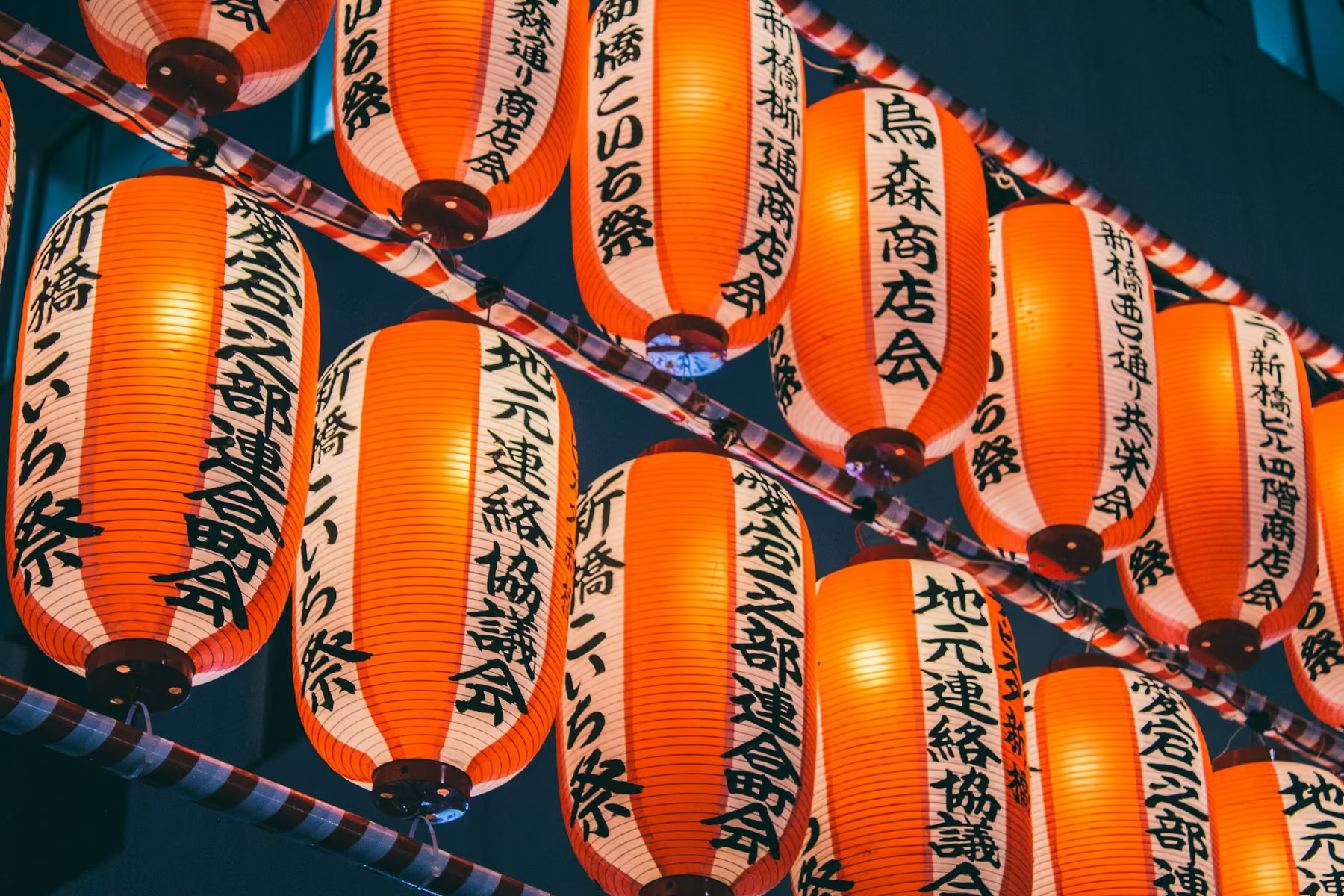
Japan's summer is hot and humid, and typhoons are most active in August and September. Yet it has rewards no other season offers. Lantern-lit street festivals fill July and August, and the Mount Fuji climbing season runs for a few short weeks: in 2026, the Yoshida Trail opened from 1 July to 10 September. Obon, around 13 to 16 August, sends families home to their towns, which can leave Tokyo and Osaka quieter than usual. Escape the heat in Hokkaido, which has no true rainy season.
On Fuji's Yoshida Trail, the 5th station gate closes from 2pm to 3am unless you have a mountain hut booking, and climbers pay a 4,000 yen fee.
Late November · Kyoto
When the maples turn
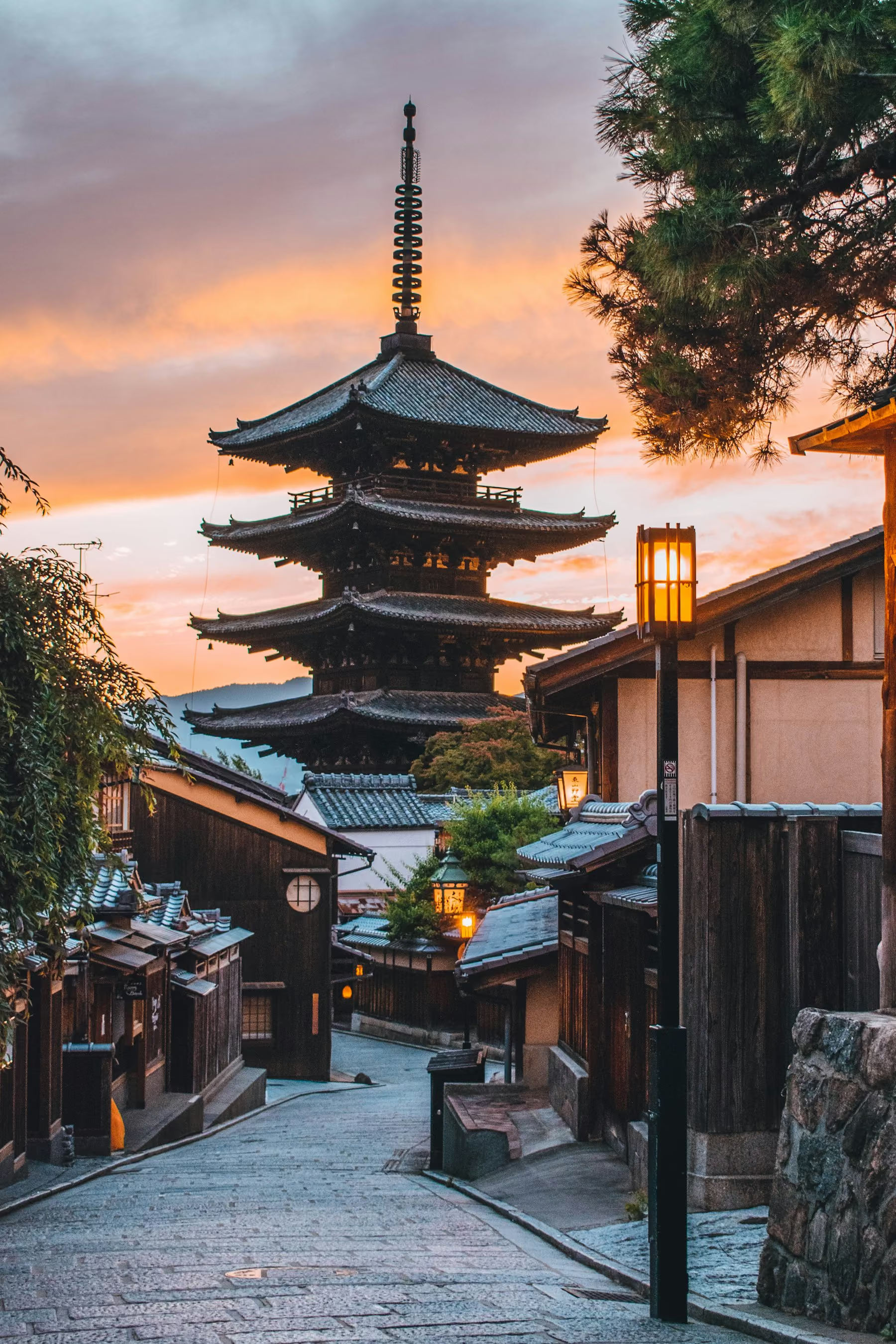
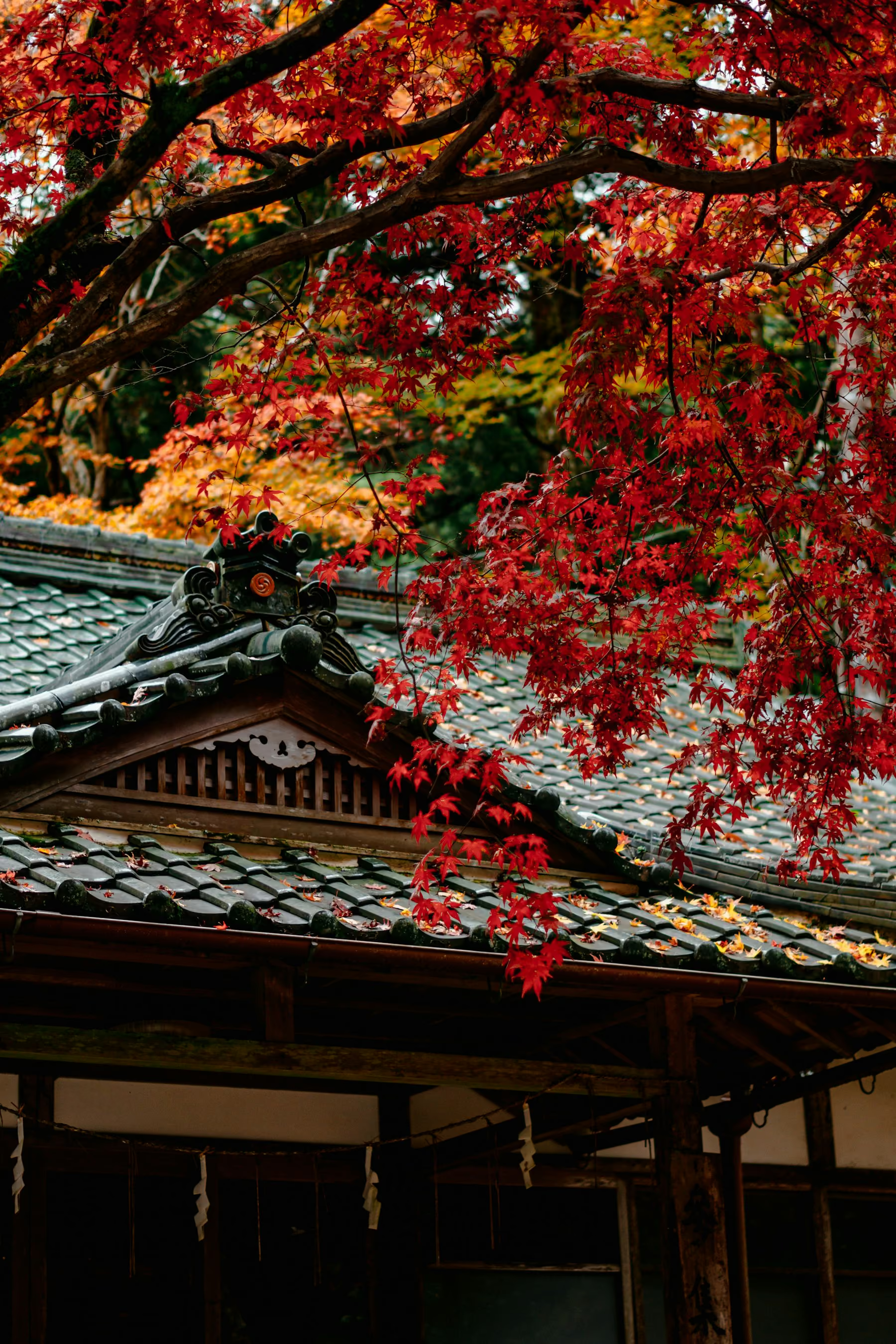
Koyo, the autumn colour, starts in Hokkaido's mountains as early as late September and arrives in the cities weeks later. Tokyo's maples are forecast to peak around 29 November this year, and in Kyoto the ginkgo turns gold around 27 November, with the red maples following into December. The weather is the best of the year: dry, mild and clear. For temple gardens at their finest, aim for the last ten days of November, and book Kyoto rooms early, because autumn is as busy as spring.
Japan's colour runs from late September to early December depending on altitude, so a trip that starts in the mountains and ends in Kyoto catches more of it.
January and February · Hokkaido
Powder and steam
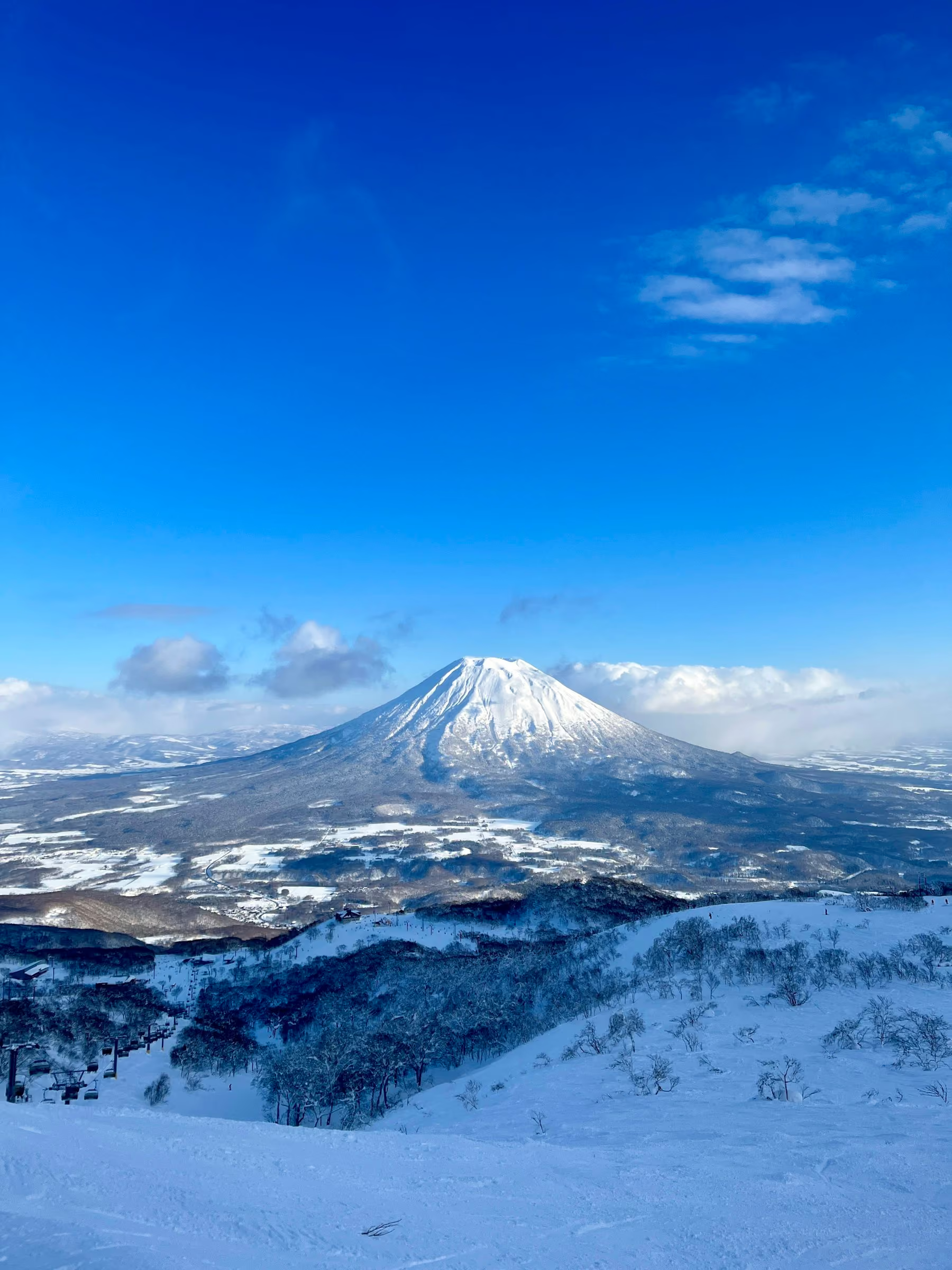
Niseko, in Hokkaido, receives around 10 to 15 metres of snow a year, and it is light, dry and famous among skiers. The season runs from around late November or early December to early May. January has the best powder, with backcountry gates usually open by mid-January. February brings a deep, stable base and more sunshine. Between runs, there is nothing better than an outdoor onsen with snow falling around you. Christmas, New Year and Chinese New Year are the busiest weeks.
The first two weeks of December are usually quiet in Niseko, and March brings spring skiing with shorter lift queues and lower prices.
- 14 to 15h
- London Heathrow to Tokyo Haneda, non-stop
- ±7 days
- How far blossom dates swing from the average
- 10 to 15m
- Snow that falls on Niseko each year
- 4
- National holidays packed into Golden Week
Planning the trip
Where to go, how long, and how to get there
Japan is long and its seasons travel. Blossom moves north through spring, colour moves south through autumn, and the snow stays in the north all winter. Match the region to the month and a good trip becomes a great one. These are the four routes we would plan around.
- Spring · late March to AprilTokyo, then KyotoStart in Tokyo for the first blossom in late March, then take the train to Kyoto for full bloom in early April. Leave a few flexible days in the middle so you can follow the forecast, and finish before Golden Week starts on 29 April.
- Autumn · October to early DecemberFrom the mountains downBegin in Hokkaido or Tohoku for October colour, then travel south to Tokyo, Hakone and Kyoto as the maples follow. Late November is the sweet spot for Kyoto's temple gardens, with the last leaves lingering into December.
- Winter · January to FebruaryNiseko and the onsen townsFly into Hokkaido for the best powder of the season in January and February, with time in a ryokan for outdoor baths in the snow. Add a few days in Tokyo or Kyoto, which are quiet, cold and clear at this time of year.
- Summer · July to AugustNorth and highIf summer is your only window, head north to Hokkaido, which has no true rainy season, or climb Mount Fuji during its short season. Keep a buffer day for typhoons and avoid long rail journeys around Obon in mid-August.
How long
Ten days covers Tokyo and Kyoto properly, with a night or two in Hakone for onsen and Fuji views. Two weeks lets you add Hokkaido in winter, the Japanese Alps in autumn, or a slower pace in Kyoto. For blossom, add slack: dates can move by a week, so a longer trip gives you a better chance of seeing full bloom.
Getting there
British Airways, Japan Airlines and ANA all fly non-stop from London Heathrow to Tokyo Haneda. Flights take around 14 to 15 hours, longer than before 2022 because airlines now route around Russian airspace. Haneda is close to central Tokyo, which makes the first evening far easier after a long flight. Inside Japan, the bullet train takes you from Tokyo to Kyoto in comfort.
When to book
For late March, early April and late November, book flights and hotels months ahead, especially Kyoto ryokan, which fill first. Golden Week, Obon and New Year push prices up sharply for flights and rooms. For ski trips, Christmas, New Year and Chinese New Year sell out earliest. June and early December are the easiest months for availability.
Questions people ask
The best time to visit Japan, answered
What is the best time to visit Japan?
Late March to early April and late October to early December. Spring brings the cherry blossom to Tokyo and Kyoto, and autumn brings red maples and the most settled weather of the year. Both are busy, so book well ahead. For snow, January and February in Hokkaido are hard to beat.
When is cherry blossom season in Japan?
On average, Tokyo's blossom opens around 24 March and reaches full bloom around 31 March, while Kyoto reaches full bloom around 4 April. Hokkaido is much later: Sapporo usually blooms in early May. Dates move by about a week either way each year, depending on how mild the weeks before have been.
When is the rainy season in Japan?
Tsuyu usually runs from early June to mid-July across Tokyo, Kyoto and most of Honshu. Okinawa's comes earlier, from mid-May to late June. Hokkaido has no distinct rainy season, which makes it the best region for a June trip. Typhoon season follows, most active in August and September.
When is Golden Week, and should I avoid it?
Golden Week runs from 29 April to 5 May and joins four national holidays into one week. It is one of Japan's busiest travel periods, alongside Obon in mid-August and New Year. Trains, airports and famous sights are crowded, and hotels sell out. We would avoid it unless your plans are fixed and booked far ahead.
When is the best time for powder snow in Niseko?
January, when the snow is at its lightest and backcountry gates are usually open by mid-month. February is almost as good, with a deeper base and more sunshine. The season runs from late November or early December to early May, and the quietest weeks are the first half of December and March.
How long is the flight from London to Japan?
Around 14 to 15 hours non-stop from London Heathrow to Tokyo Haneda. British Airways, Japan Airlines and ANA all fly the route. Flights have taken longer since 2022, because airlines now avoid Russian airspace and route over the Arctic and North America instead.
Keep exploring
- Where to stayKyoto ryokan: the shortlist11 ryokan, each one recognised by named judges.
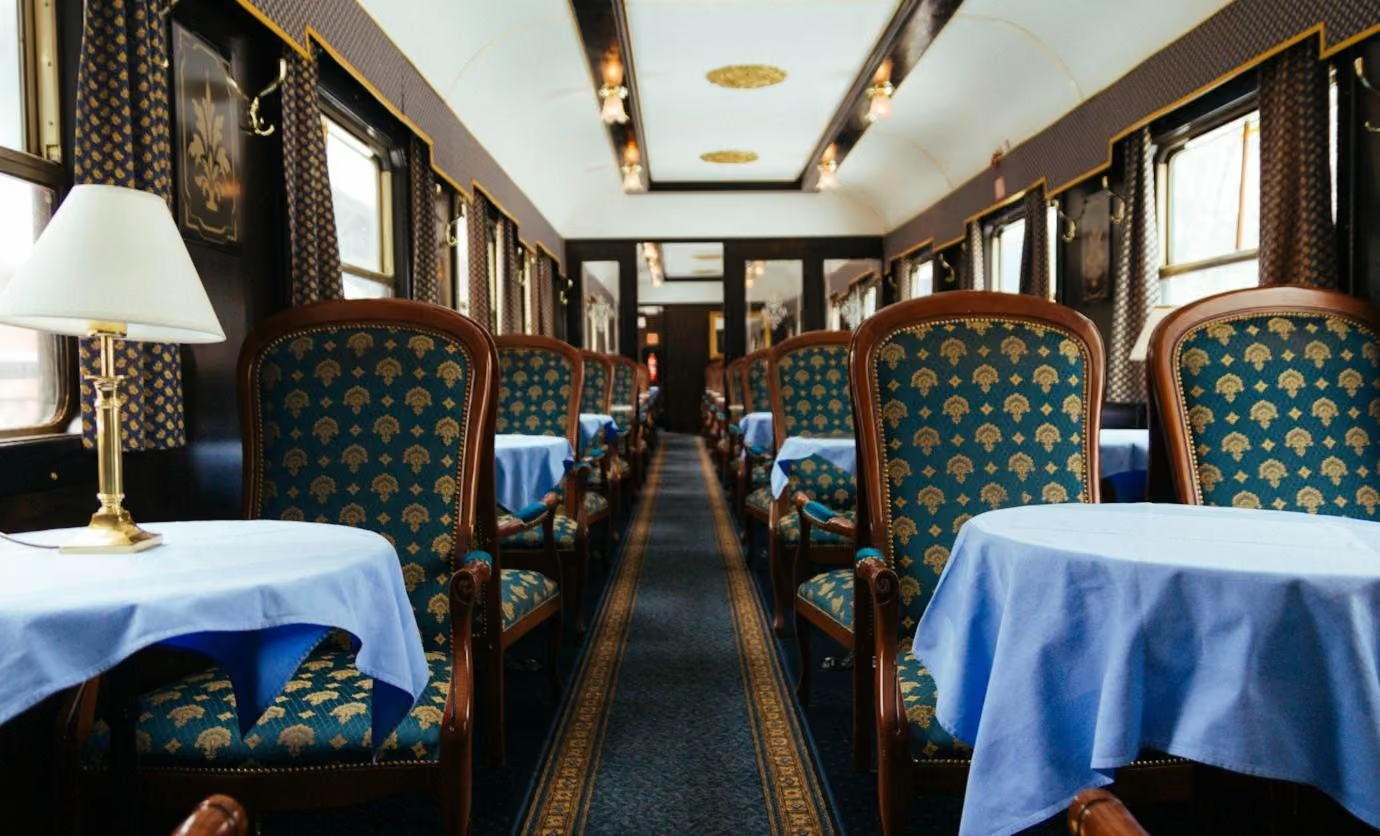 The journey · RailLuxury train journeysFive great trains, from the Orient Express to the Andes.
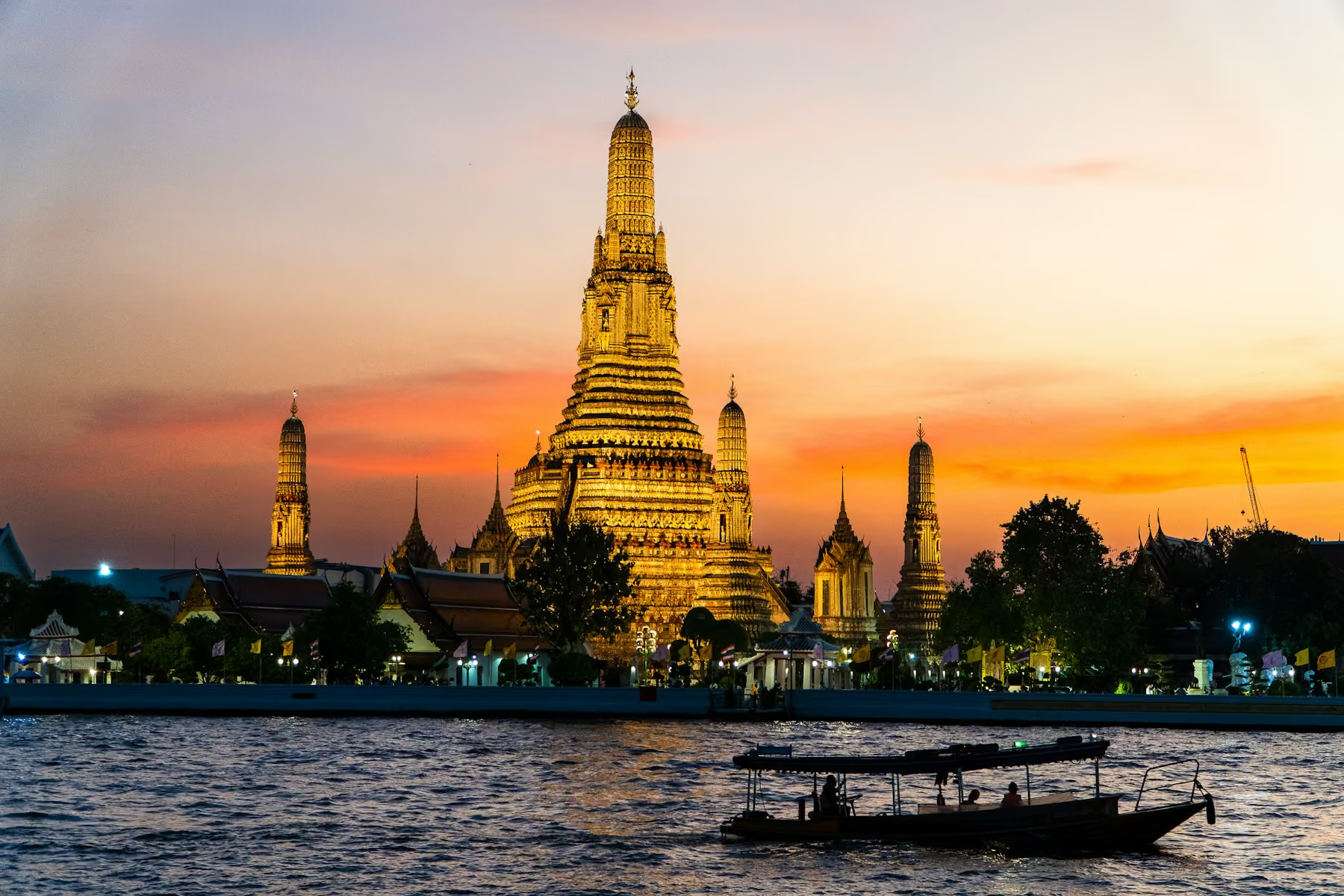 Pair it withThailand, month by monthAt its best: Jan, Feb, Nov, Dec.
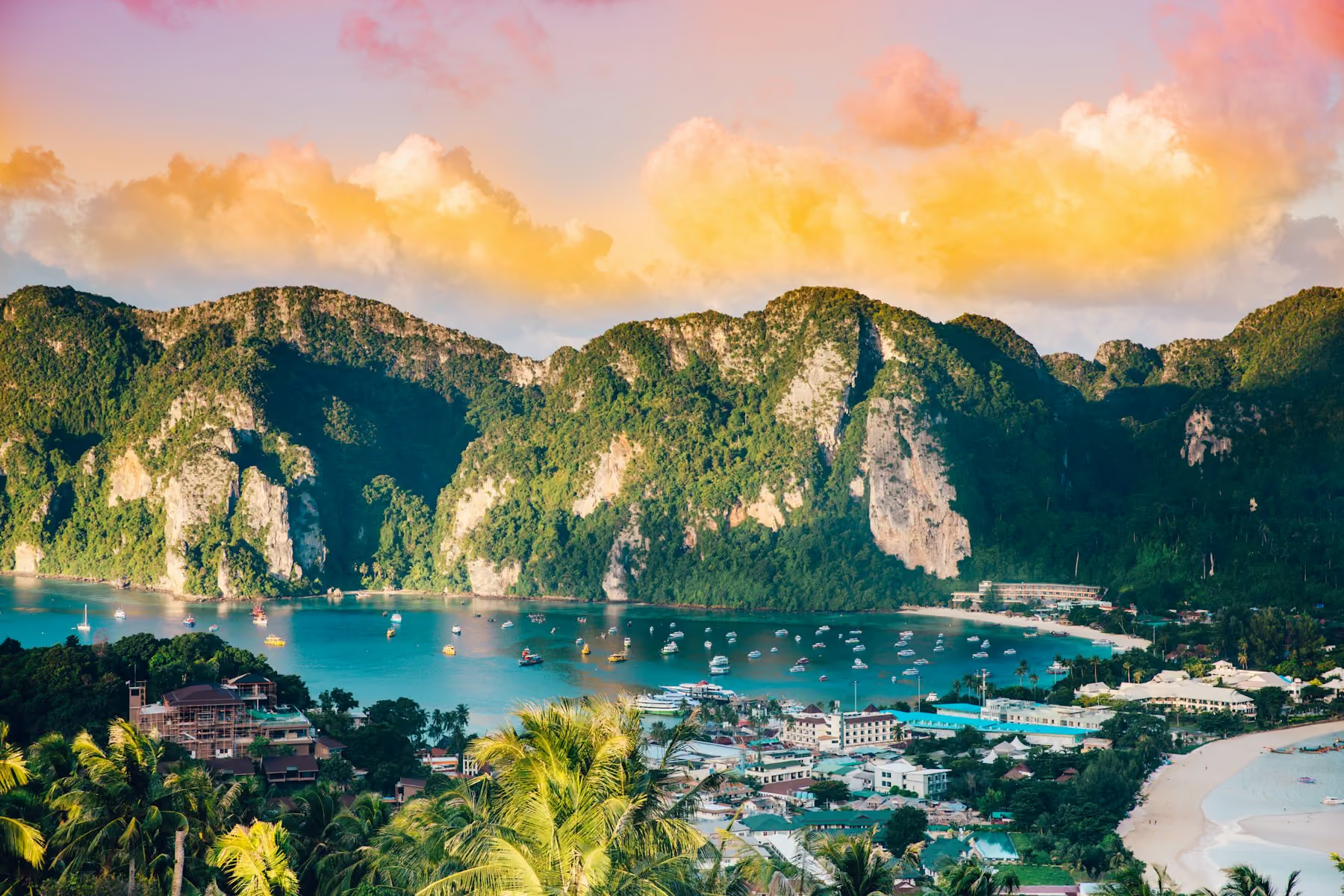 Where to stayThailand: the shortlist16 hotels, each one recognised by named judges.