



Mexico · When to go
The best time to visit Mexico, month by month
Marigold-lit cemeteries in November, butterflies by the million in February, whale sharks in July. Mexico rewards the traveller who picks the month first.
Photo: Unsplash
The short answer
When to go, in one paragraph
The best time to visit Mexico is the dry season, from November to April, when the Caribbean coast sits around 24 to 26°C, skies are clear and the seaweed is usually at its lightest. December to March is the safest window for the Riviera Maya. Come in early November for Día de Muertos, or in January and February for monarch butterflies and Baja's grey whales. The rains run roughly May to October, and the Caribbean hurricane season from 1 June to 30 November.
- For beachesDec to MarDry, warm and usually the clearest sea of the year on the Riviera Maya.
- For wildlifeJan to FebMonarchs at their peak in Michoacán, grey whales in Baja's lagoons.
- For cultureLate Oct to 2 NovDía de Muertos, best in Oaxaca and Mexico City. Book early.
Checked on 16 October 2026 against Rough Guides: Best time to visit Mexico, NOAA NESDIS: Atlantic hurricane season hits its peak and How Is The Sargassum: Sargassum season peak months on the Riviera Maya.
Pick your month
Turn the year
- October
- Rains ease through the month and the cities turn festive. Beaches can still catch storms until mid-month, but Cabo sits near 25°C.
- What's on
- Cervantino in Guanajuato; Día de Muertos build-up
- Prices
- Shoulder, rising late month
Dry seasonShoulderRainy season
Mexico month by month
- JanuaryDry season · Peak, especially the first weekCool, crisp mornings in Mexico City, around 24°C in Cancún and dependable sunshine. One of the most reliable months for clear Caribbean water. Monarchs building to peak; grey whales in Baja.
- FebruaryDry season · Peak: book months aheadArguably the finest all-round month: dry, warm on the coast and the height of the monarch season in the highlands. Monarch peak; grey whale calves; Carnaval.
- MarchDry season · Peak around Easter and spring breakWarming up, with Tulum near 26°C. Still dry and bright, though spring breaks fill Cancún and Cabo. Sargassum odds start to shift late in the month. Last of the monarchs; Semana Santa some years.
- AprilDry season · High over Easter, easing afterThe end of the dry season and the last month of the grey whale permits. Hot inland, with Puerto Vallarta near 29°C. Grey whale season closes 30 April.
- MayShoulder · Shoulder: good valueHot and humid before the rains settle in, around 30°C on the Riviera Maya. Quieter and better value, but seaweed often arrives on the Caribbean. Cinco de Mayo in Puebla.
- JuneRainy season · Low, with summer family peaksAfternoon downpours begin in earnest and the hurricane season opens on 1 June. Whale sharks return to the Caribbean side. Whale shark season opens.
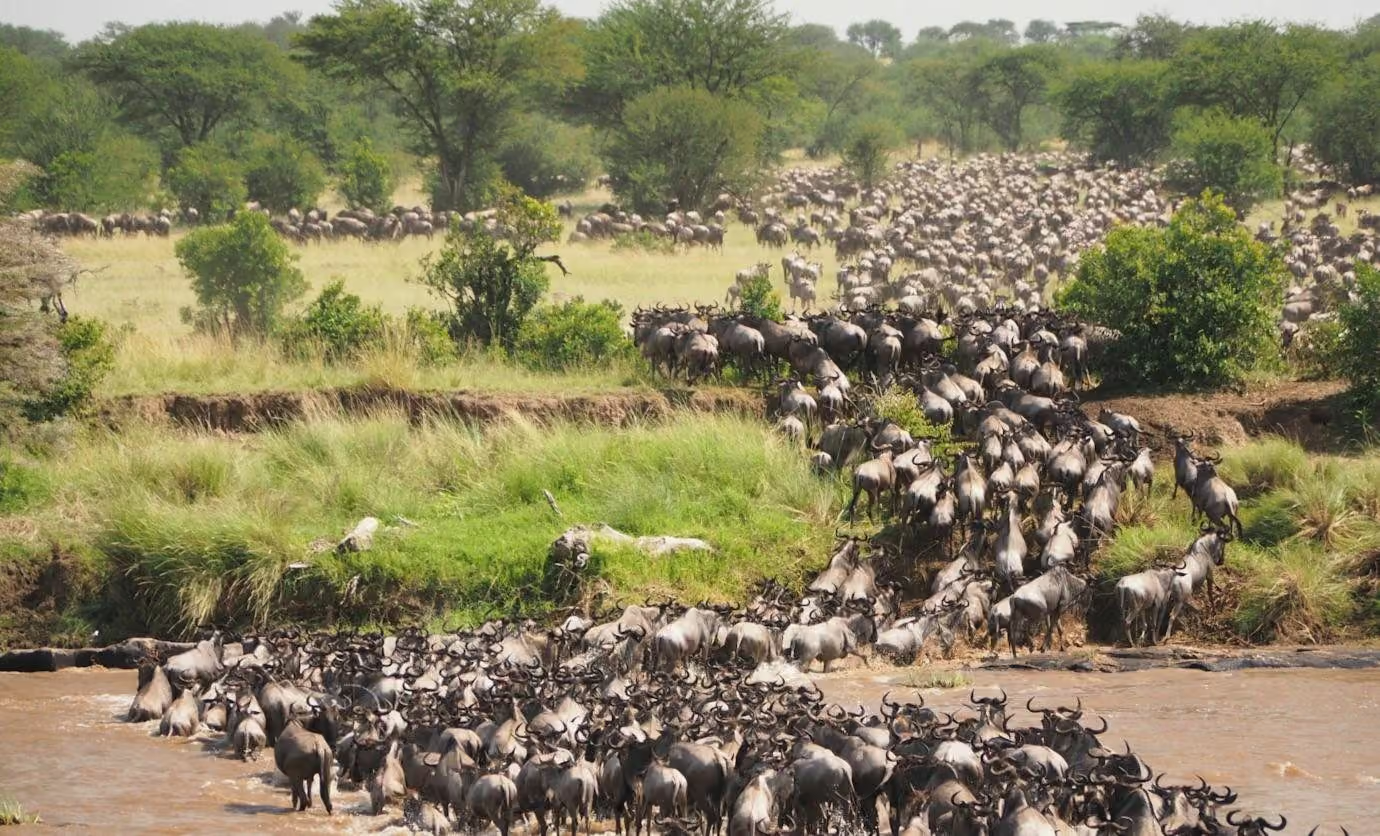
- JulyRainy season · High in school holidaysPeak month for whale sharks off Isla Mujeres and Holbox, and typically the worst for sargassum on the mainland Riviera Maya. Whale shark peak and festival.
- AugustRainy season · High in UK school holidaysHot and humid, near 32°C in Cancún, with short, heavy rain most afternoons inland. Mexico City stays mild at 12 to 24°C. Whale sharks continue.
- SeptemberRainy season · Low: deals, with weather riskThe heart of the hurricane season, which peaks around 10 September. Watch forecasts closely and keep plans flexible on the coast. Independence Day, 16 September.
- OctoberShoulder · Shoulder, rising late monthRains ease through the month and the cities turn festive. Beaches can still catch storms until mid-month, but Cabo sits near 25°C. Cervantino in Guanajuato; Día de Muertos build-up.
- NovemberDry season · High for Día de Muertos, shoulder afterThe dry season begins and the month opens with Día de Muertos. Pleasant at 10 to 22°C in Mexico City and 27°C in Acapulco. Día de Muertos; monarchs arrive late month.
- DecemberDry season · Peak over Christmas and New YearDry, sunny and around 24°C in Tulum, with the clearest Caribbean water of the year. Festive weeks are the busiest of all. Virgen de Guadalupe, 12 December; grey whales arrive.
Late October to 2 November · Oaxaca
Marigolds and candlelight
Día de Muertos runs from 31 October to 2 November, and Oaxaca keeps it with real intensity. Families dress graves with cempasúchil marigolds and sit with their dead through the night by candlelight. Comparsas, processions with brass bands and giant puppets, wind through the Zócalo, Calle Macedonio Alcalá and Jalatlaco. The Xoxocotlán cemetery, about 10 km from the centre, opens to visitors late in the evening, and on 1 November the all-night Muerteada fills the streets of Etla, about 40 minutes away. Mexico City stages its own parades and giant altars in the weeks before.
Arrive a few days early, when bakeries are turning out pan de muerto and the markets are full. Centro hotels go first, so book well ahead.

January to February · Michoacán
A forest that moves
Each winter millions of monarch butterflies settle in the high fir forests of the Monarch Butterfly Biosphere Reserve, which spans Michoacán and the State of Mexico. They are present from late November to early March, and the peak falls in January and February, when the trees sag orange under their weight and the air hums as the sun warms them. El Rosario and Sierra Chincua are the two best-known sanctuaries. It is possible as a long day trip from Mexico City, though a night in the village of Angangueo makes for a gentler, earlier start.
Reserves generally open 9am to 6pm in season. Tour buses stop at Angangueo, so arrange a private driver to reach your chosen sanctuary.

Mid-December to April · Baja California Sur
The lagoons of the grey whales
Grey whales come to the warm, sheltered lagoons of Baja California Sur to calve, and the official viewing season is short and fixed. It opens on 15 December at San Ignacio and Ojo de Liebre, and on 1 January at Magdalena Bay, and all three close on 30 April. Magdalena Bay is the easy one: just under three hours from La Paz, so a return day trip works. San Ignacio and Ojo de Liebre are about ten hours by road, best folded into a slower journey down the peninsula.
Check whale numbers and the weather with local operators before setting off, and only book with a permitted whale-watching provider.
December to March · Yucatán
Cenotes and clear water
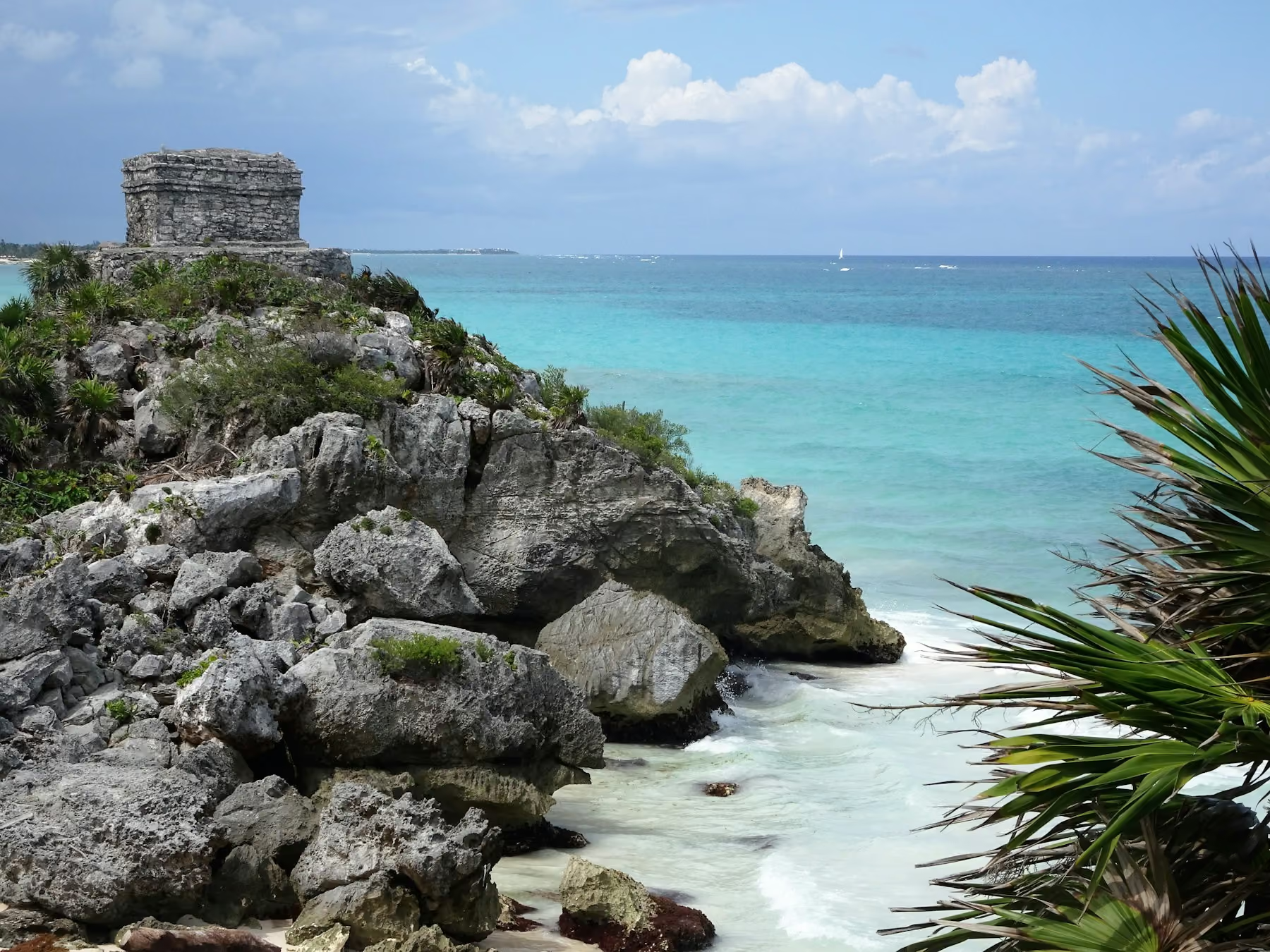
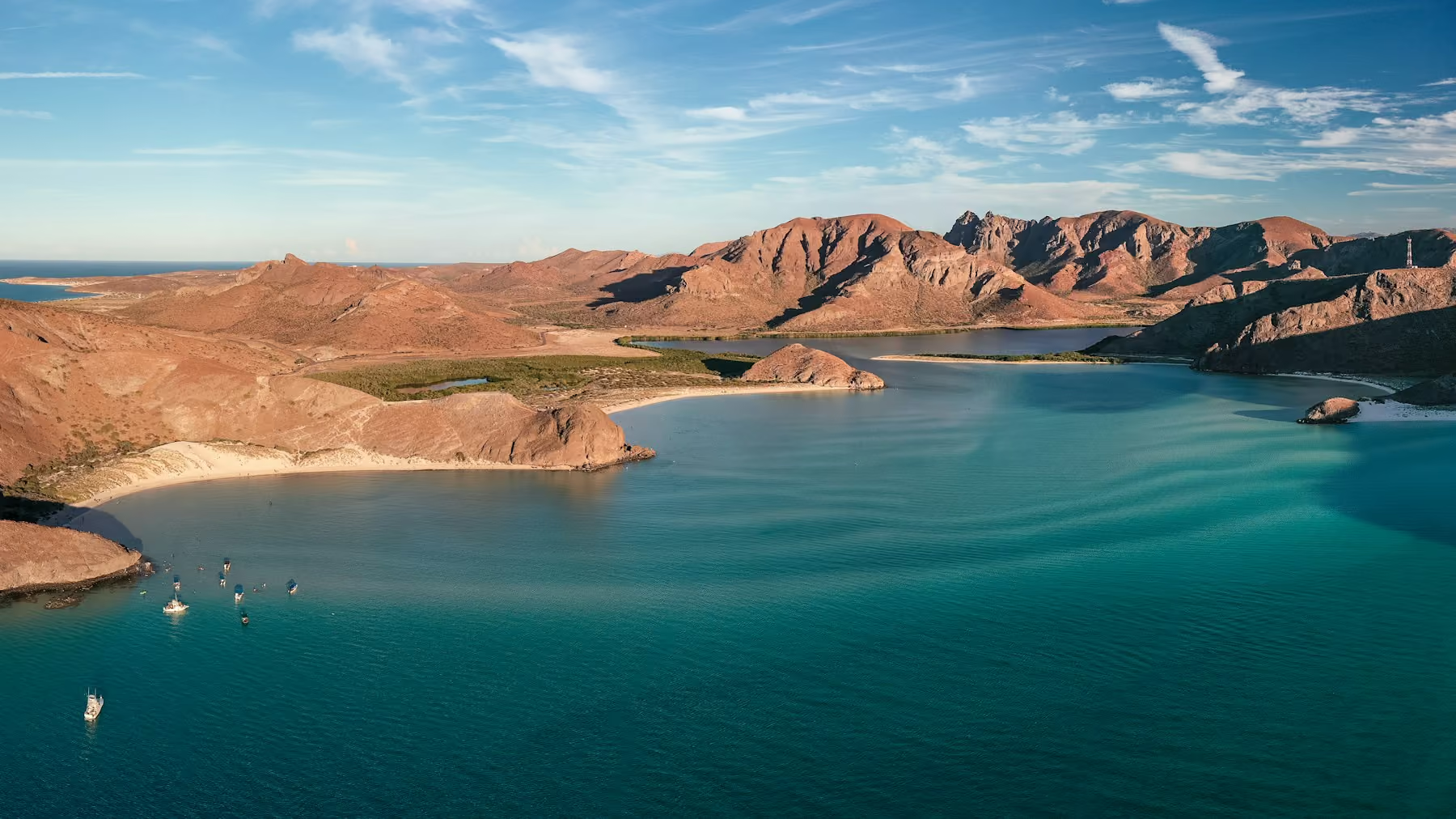
The Yucatán's cenotes, flooded limestone sinkholes, are at their most luminous in the dry season, when the sun is high and rain has not clouded the pools. It is also when the coast is kindest. December to March is the most reliable stretch for clear beaches on the Riviera Maya, with December and January the safest bets, and Tulum sits around 24 to 26°C. From May the sargassum seaweed usually arrives, with Tulum heavily affected from May to September and July typically the worst month along the coast.
If you travel later in the year, Playa Norte on Isla Mujeres and Cozumel's west shore are described as among the most consistently clear beaches in the region.
June to September · Isla Mujeres and Holbox
Swimming with the gentle giants
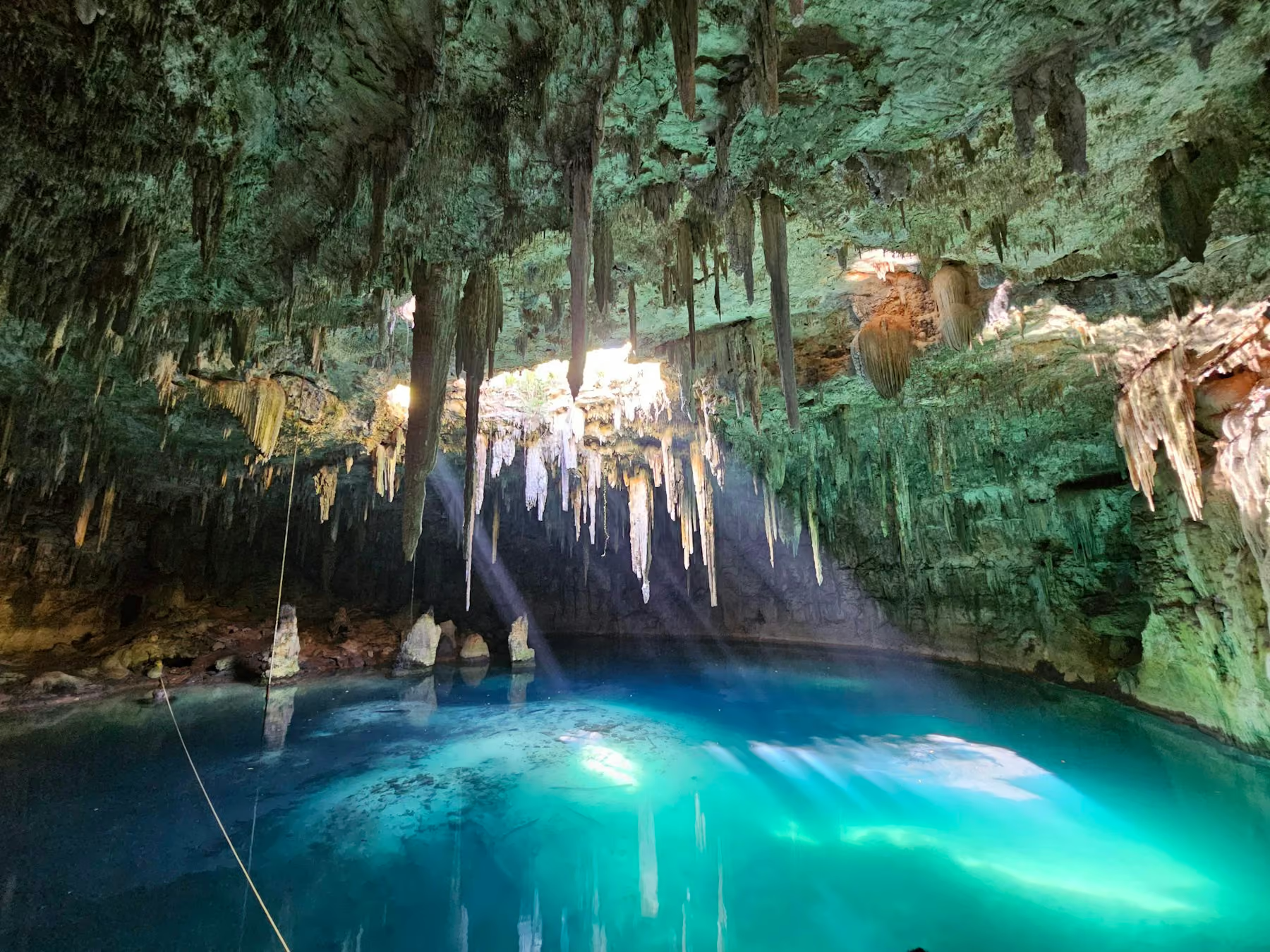
Whale sharks gather off Isla Mujeres and Holbox from June to September, and July is the peak, when the Whale Shark Festival brings crowds to the coast. The encounters are carefully regulated: only two swimmers per guide may enter the water at once, there is no touching, and you keep your distance from the tail. Choppy seas and recent rain can make the sharks harder to find, so leave slack in the schedule. On the Pacific side, La Paz has its own whale shark season from roughly November to May.
Book a certified operator ahead and consider a private boat: you get more time in the water than on a large group trip. Biodegradable sunscreen only.
- 11h
- London to Cancún, non-stop
- 12h
- London Heathrow to Mexico City, non-stop
- 10 Sep
- Average peak of the Atlantic hurricane season
- 2
- Swimmers per guide in the water with a whale shark
Planning the trip
Where to go, how long, and how to get there
Mexico is big enough that the right month depends on the region. The Caribbean coast is a winter escape, the highlands are at their best from late autumn, and Baja runs to its own calendar. Pair two regions on one trip, and let the season decide which two.
- December to MarchRiviera Maya and the YucatánTulum, Mérida and the cenotes in dry, warm weather, with the clearest sea of the year. The easiest long-haul beach trip from London, with non-stop flights to Cancún. Peak: book months ahead, especially for Christmas and February half-term.
- October to NovemberMexico City and OaxacaGalleries and restaurants in the capital, then Oaxaca for Día de Muertos and its markets, mezcal and food. Mild days, cool nights and the rains fading. Book Oaxaca hotels many months ahead for the festival week.
- January to MarchBaja California SurGrey whales in the lagoons from mid-December to April, and whale sharks off La Paz. Desert meets sea, and the light is extraordinary. Base yourself in La Paz for Magdalena Bay, or plan a slower route north to San Ignacio.
- January to FebruaryMichoacán and the monarchsThe butterfly sanctuaries are an easy add-on to a Mexico City stay. Go early in the day, wrap up for the altitude, and allow a night in Angangueo to reach the reserves before the crowds.
How long
Allow ten days at a minimum for a single region, or two weeks to pair the Riviera Maya with Mexico City or Oaxaca. Internal flights make combinations straightforward, but the distances are real: Baja's northern lagoons alone sit about ten hours by road from La Paz. Build in a buffer day around wildlife trips, which depend on the sea and the weather.
Getting there
Virgin Atlantic flies non-stop from Heathrow to Cancún in about 11 and a half hours, and British Airways and others fly from Gatwick in around 11 hours. For the capital, British Airways and Aeroméxico both fly non-stop from Heathrow to Mexico City in about 12 hours. Baja and Oaxaca need a connection.
When to book
Christmas, New Year, February half-term and Easter are the busiest weeks on the Caribbean coast, and Día de Muertos fills Oaxaca long in advance. For those dates, book flights and the best rooms many months ahead. May and November are the quieter shoulder months, with better availability and fairer rates.
Questions people ask
The best time to visit Mexico, answered
When is the best time to visit Mexico?
For most travellers, the dry season from November to April. It brings sunshine, warm seas on the Caribbean coast and comfortable days in Mexico City and Oaxaca. December to March is the safest window for the Riviera Maya, as it falls outside the hurricane season and usually brings the least seaweed. Add early November for Día de Muertos.
When is hurricane season in Mexico?
On the Caribbean side, the Atlantic hurricane season officially runs from 1 June to 30 November, and it peaks on average around 10 September. On the beaches, September to mid-October is the period to watch most closely. Even without a named storm, expect rain, choppy seas and mosquitoes, so take flexible bookings and good travel insurance.
When is sargassum seaweed worst in Cancún and Tulum?
Sargassum usually arrives on the Riviera Maya in late spring and stays through summer. July is typically the worst month in Cancún and along the coast, and Tulum tends to be heavily affected from May to September. December and January are the most reliable months for clear beaches, with October and March reasonable shoulder bets.
When can you swim with whale sharks in Mexico?
Off Isla Mujeres and Holbox, the season runs from June to September, with July the peak. Rules are strict: two swimmers per guide, no touching and biodegradable sunscreen only. On the Pacific side, La Paz in Baja California Sur offers whale sharks from roughly November to May, which suits a winter trip.
When do the monarch butterflies arrive in Mexico?
The monarchs are in the Michoacán and State of Mexico forests from late November to early March. January and February are the peak months, when the clusters are densest. El Rosario and Sierra Chincua are the best-known sanctuaries, reachable as a day trip from Mexico City or with an overnight stay in Angangueo.
How long is the flight from London to Mexico?
Non-stop flights from London to Cancún take about 11 hours, with Virgin Atlantic from Heathrow and British Airways and others from Gatwick. Heathrow to Mexico City takes about 12 hours non-stop on British Airways or Aeroméxico. For Oaxaca, La Paz or Los Cabos you will need to connect, usually through Mexico City.
Keep exploring
 Pair it withBarbados, month by monthAt its best: Jan, Feb, Mar, Apr, Dec.
 Same seasonThe Maldives, month by monthAlso at its best in Jan, Feb, Mar, Apr, Dec.
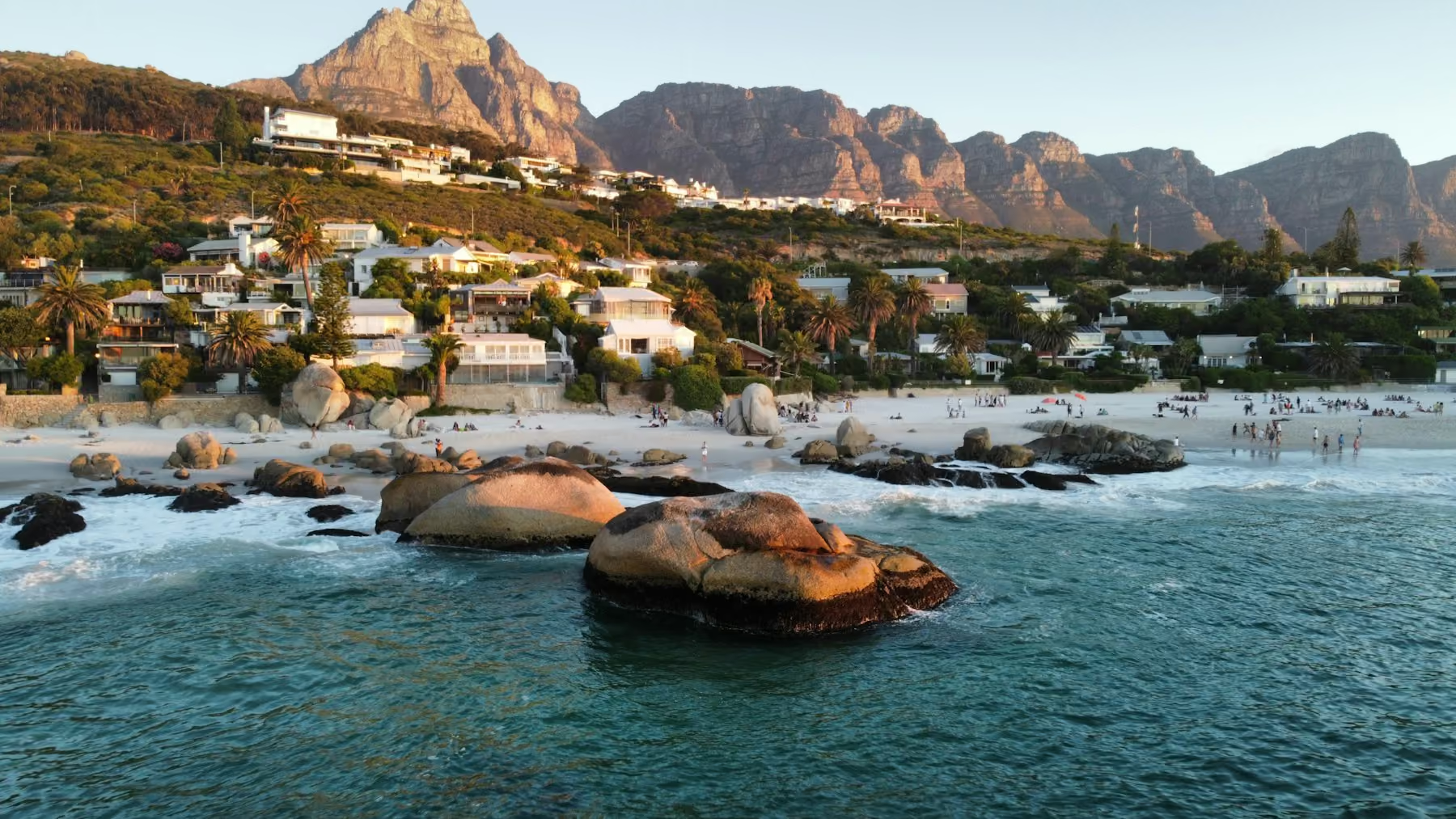 Same seasonSouth Africa, month by monthAlso at its best in Jan, Feb, Mar, Nov, Dec.
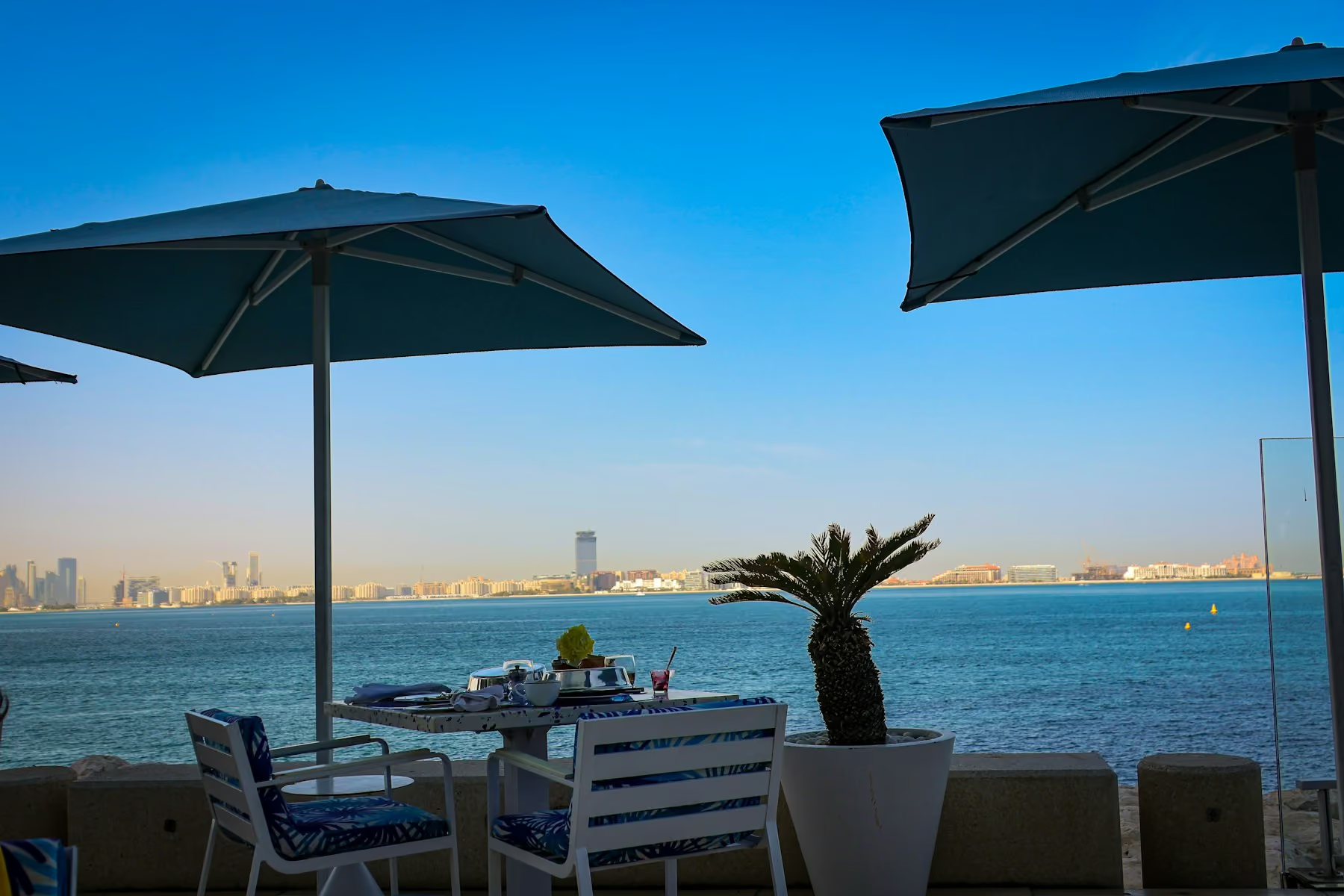 Same seasonDubai, month by monthAlso at its best in Jan, Feb, Mar, Nov, Dec.