North Africa · When to go
The best time to visit Morocco, month by month
Snow on the Atlas, roses in the Dades, a cold night under the stars at Erg Chebbi: Morocco is several climates in one country, and the calendar decides which you get.
Photo: Unsplash
The short answer
When to go, in one paragraph
The best time to visit Morocco is spring, from March to May, or autumn, from September to November, when Marrakech and Fes are warm rather than scorching and the desert is comfortable by day. Summer pushes the inland cities to around 37°C and often past 40°C, so July and August belong to the Atlantic coast. Winter is mild and sunny in the south, but nights turn cold, snow closes High Atlas passes and Ramadan 2027 is expected from about 8 February.
- For cities and desertMar to MayWarm days in the medinas, roses in the Dades and pleasant Sahara camps.
- For a second chanceSep to NovThe heat breaks, Essaouira's wind drops and the desert cools at night.
- For snow and peaksJan to FebOukaïmeden opens for skiing and Toubkal becomes a winter climb.
Checked on 16 October 2026 against Jacada Travel: When is the best time to go to Morocco, Calendarific: Morocco holidays 2027 and MarocMama: Visiting Morocco during Ramadan.
Pick your month
Turn the year
- October
- A near perfect month: warm days around 27 to 28°C in Marrakech and the desert, chilly desert nights and the first rain in the mountains late on.
- What's on
- Sahara camps at their best; UK half term
- Prices
- Peak over half term: book months ahead
Spring and autumnSummer heatWinter
Morocco month by month
- JanuaryWinter · Shoulder, with a New Year peak in the first daysSunny and mild by day in Marrakech, with highs around 20°C, but nights can fall close to freezing. The High Atlas is under snow and the desert is cold after dark. Ski season at Oukaïmeden; winter Toubkal climbs.
- FebruaryWinter · Shoulder, busier over half termStill cool at night, warming by day. Ramadan 2027 is expected to begin around 8 February, which changes opening hours and the rhythm of the medinas. Ramadan evenings; Atlas snow; UK half term.
- MarchSpring and autumn · High: book riads well aheadSpring arrives, with Sahara days around 24°C and showers still possible in the mountains. Eid al-Fitr is expected around 10 March, after which the cities return to normal hours. Eid al-Fitr; green valleys after winter rain.
- AprilSpring and autumn · Peak over the Easter holidays: book months aheadOne of the best months of the year for sightseeing, with warm days, cool evenings and only occasional rain. The Easter holidays make it one of the busiest too. Atlas trekking; long lunches on riad roofs.
- MaySpring and autumn · High: book riads well aheadMarrakech reaches about 29°C by the end of the month and rain is rare. Ideal for cities, mountains and the coast in a single trip. Rose Festival, Kelaat M'Gouna, early May.
- JuneSummer heat · Shoulder, with festival spikes in Fes and EssaouiraHeat builds inland and the desert averages around 37°C. Sightsee early and late. The trade wind settles in over Essaouira. Fes Festival of World Sacred Music; Gnaoua festival, Essaouira.
- JulySummer heat · Low in Marrakech; busy on the coastFes and Marrakech average about 37°C and often pass 40°C. Too hot for the Sahara. Head for the coast, a mountain lodge or a riad with a pool. Essaouira at its windiest; cool Atlas valleys.
- AugustSummer heat · High on the coast; Low in inland citiesAs hot as July inland, with almost no rain. Essaouira stays in the low to mid 20s and gets busy. Atlantic breezes in Essaouira and Oualidia.
- SeptemberSpring and autumn · Shoulder, rising to High late in the monthThe heat starts to ease, with the Sahara around 33°C and the High Atlas still warm. The wind drops in Essaouira and the sea reaches about 20°C. Beach days in Essaouira; early desert trips.
- OctoberSpring and autumn · Peak over half term: book months aheadA near perfect month: warm days around 27 to 28°C in Marrakech and the desert, chilly desert nights and the first rain in the mountains late on. Sahara camps at their best; UK half term.
- NovemberSpring and autumn · Shoulder: good valuePleasant days around 20 to 22°C but cooler evenings, and the wettest month of the year around Marrakech. Rain also returns to the north and the mountains. Quiet medinas; good kite days on the coast.
- DecemberWinter · Peak over Christmas and New YearMarrakech, Fes and the Sahara stay mild by day. Snow often falls on the High Atlas, closing some roads and trekking routes. Desert nights drop to around 5°C. Christmas in the riads; snow on the Atlas skyline.
March to May · Marrakech
Riads in the soft season
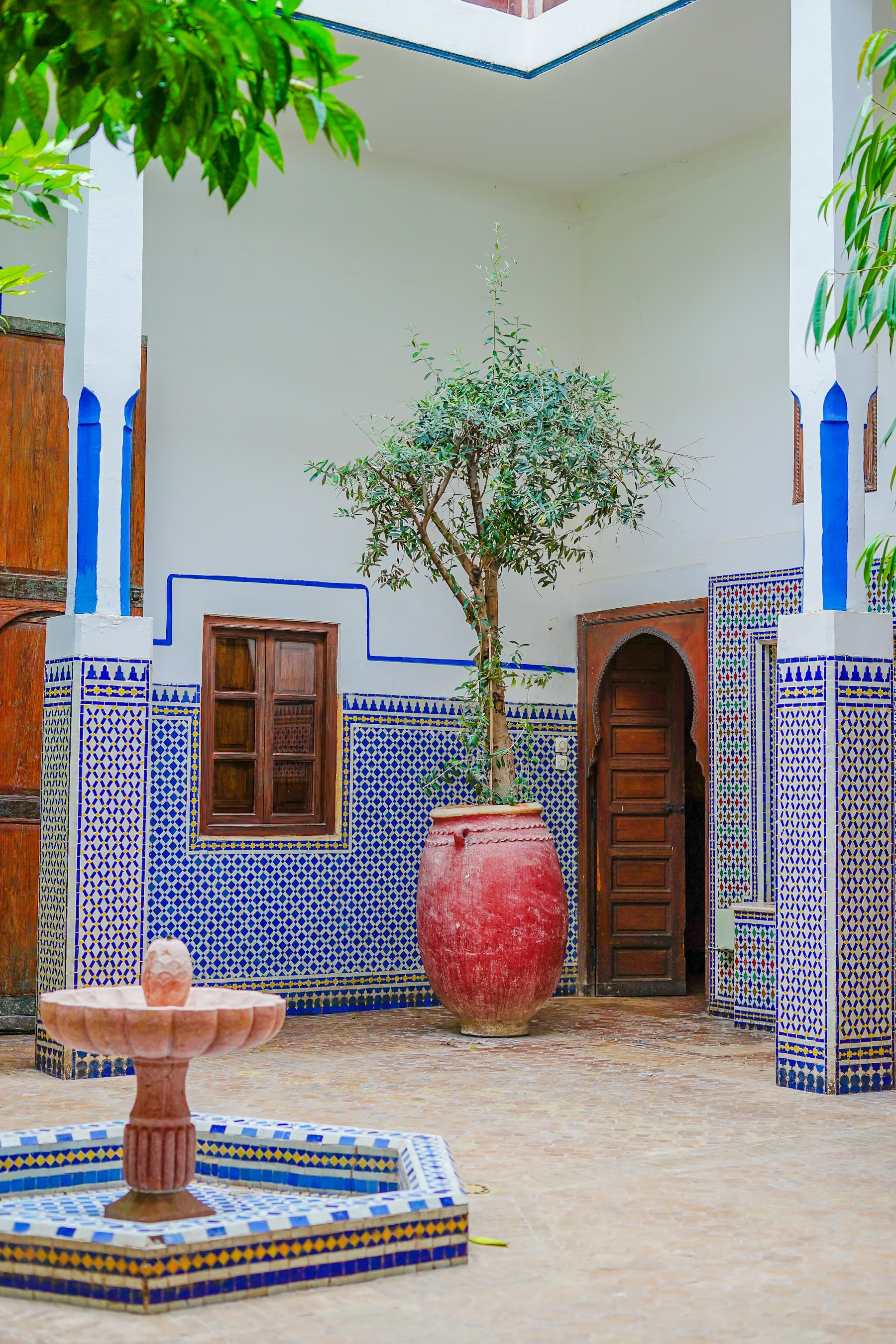
Spring is when a Marrakech riad works exactly as designed. Days climb from the low 20s in March to about 29°C by late May, warm enough to lunch on the roof terrace, cool enough to walk the souks after breakfast. Nights stay fresh, between 10 and 15°C, so the courtyard fountain and orange trees feel like a luxury rather than a refuge. April is often called the best month of all, which is why Easter fills the city. Go in early May, or just after Eid, around 10 March, and you get the same light with fewer people.
Riads are small, often a handful of rooms, so the good ones sell out first. For Easter or the May bank holidays, book several months ahead.
October to April · Merzouga
Cold nights at Erg Chebbi
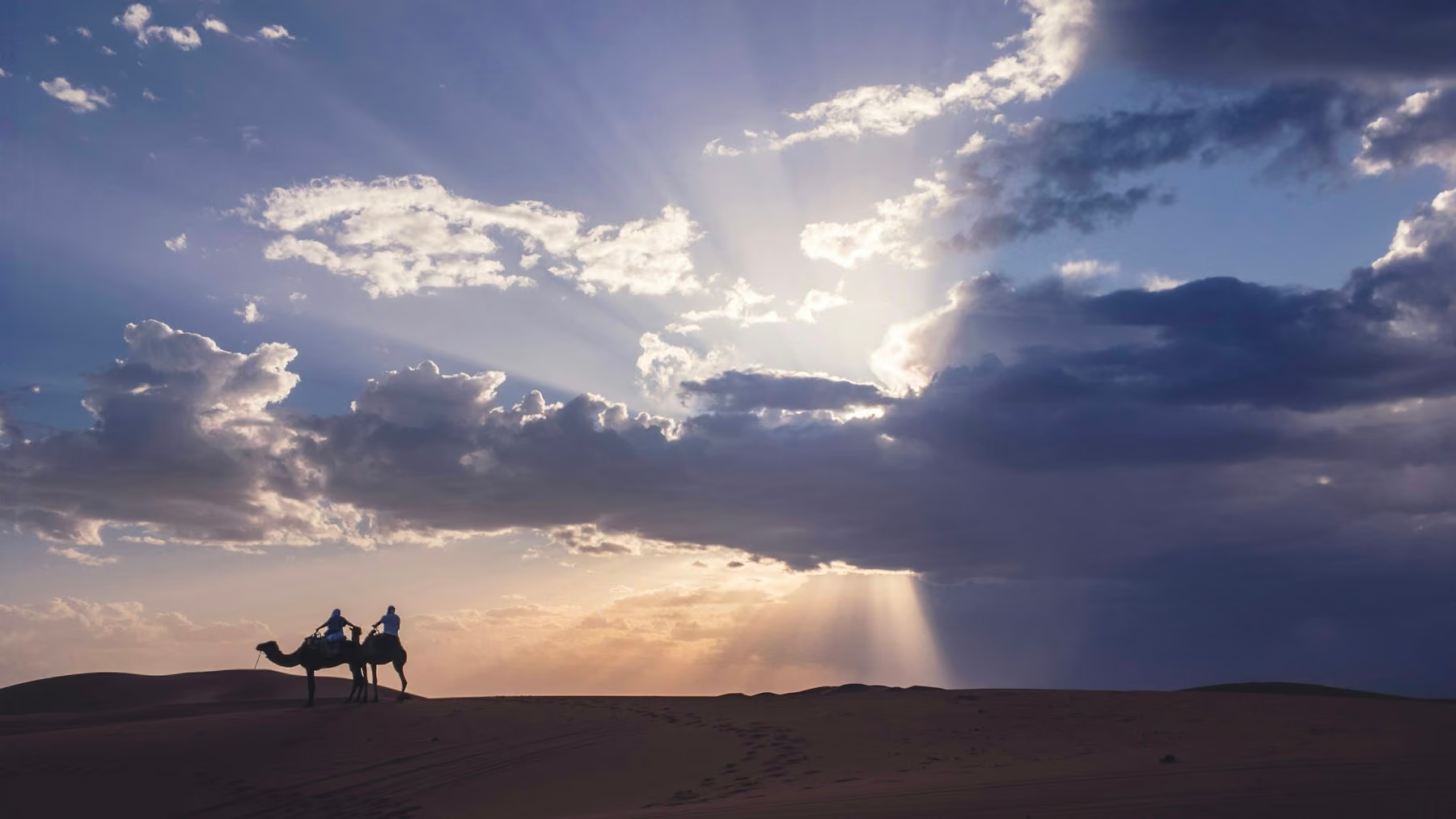
Erg Chebbi is the sand sea outside Merzouga, its dunes rising about 150 metres above the stony desert towards the Algerian border. The desert runs to extremes. Summer highs reach about 40°C and nights rarely fall below 27°C, which is why most guides advise against it. In winter, days are a gentle 17°C but nights drop to around 4 or 5°C, cold enough to want blankets and a fire. Spring and autumn split the difference, with highs in the mid 20s and nights near 14°C. It is a long drive: about seven hours from Fes, and further still from Marrakech.
Break the drive from Marrakech at Ouarzazate, about four to five hours in, or Tinerhir. In winter pack a warm layer for the camp, whatever the daytime forecast says.
January and February · High Atlas
Snow above Marrakech
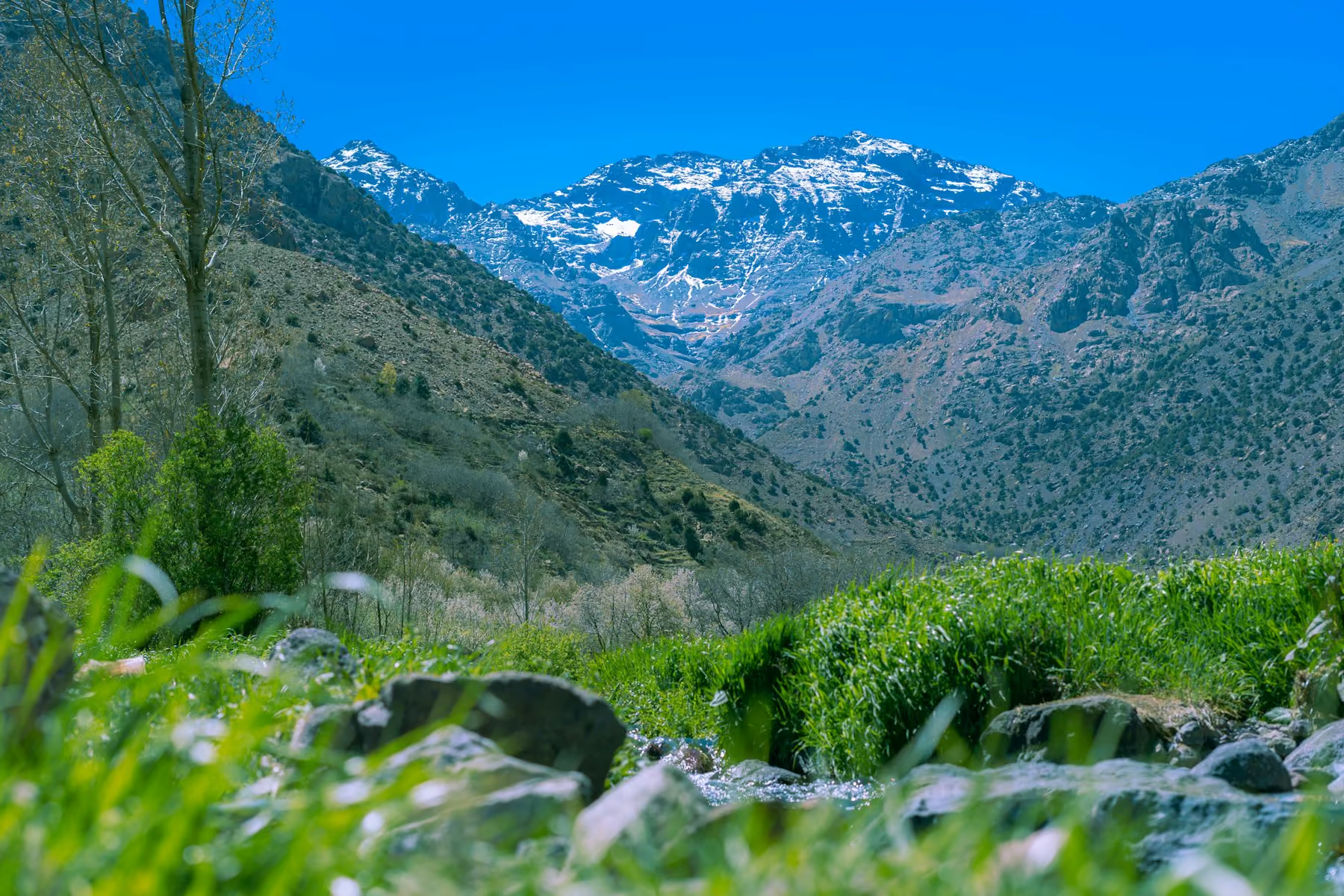
From Marrakech in winter you can see snow on the High Atlas, and it is closer than it looks. Imlil, the gateway village at about 1,800 metres, is roughly two hours' drive away and the starting point for Toubkal, at 4,167 metres the highest peak in North Africa. In winter the summit day from the Neltner refuge is often on snow that can be icy, and crampons may be needed. Oukaïmeden, with its base at 2,600 metres and a chairlift to 3,258 metres, is usually open for skiing in January and February, snow permitting. December often brings road and trail closures.
Snow varies widely year to year: January 2026 brought Imlil its heaviest fall in nine years. Climb Toubkal in winter only with a qualified mountain guide.
June to August · Essaouira
The windy city in summer
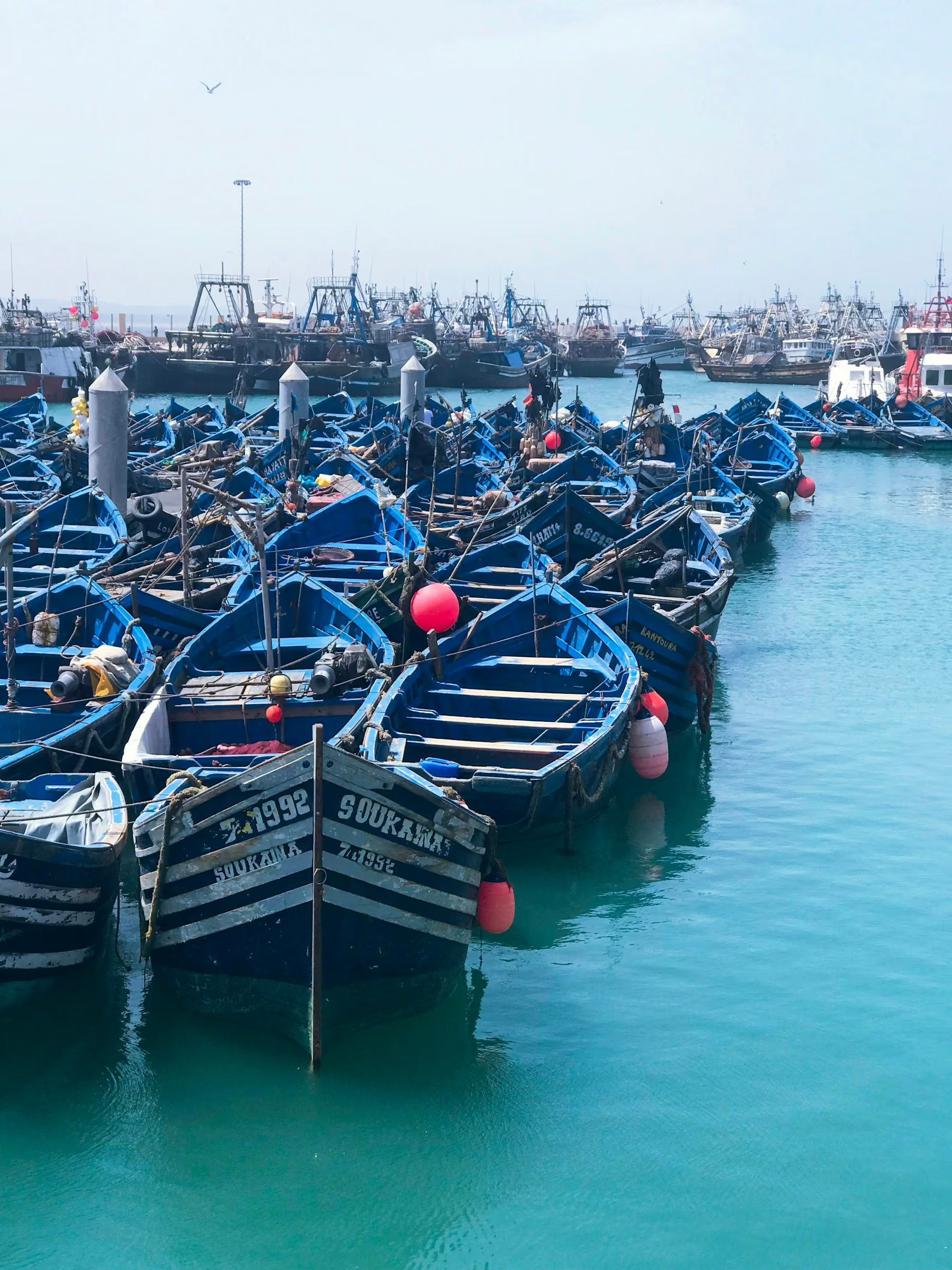
When Marrakech passes 40°C, Essaouira stays at 22 to 26°C thanks to the Atlantic. The price is wind. The north east trade wind peaks from June to August, typically 20 to 35 knots and strongest in July, which makes the town a kitesurfing and windsurfing base but lifts the sand off the beach on summer afternoons. Spend those afternoons in the walled medina and by the blue fishing boats of the port, eat on terraces before noon, and keep beach days for September and October, when the wind drops and the sea reaches about 20°C.
Bring a light layer even in August: the breeze makes Essaouira feel cooler than the thermometer suggests. The Gnaoua festival fills the town in late June.
Early May · Kelaat M'Gouna
The roses of the Dades
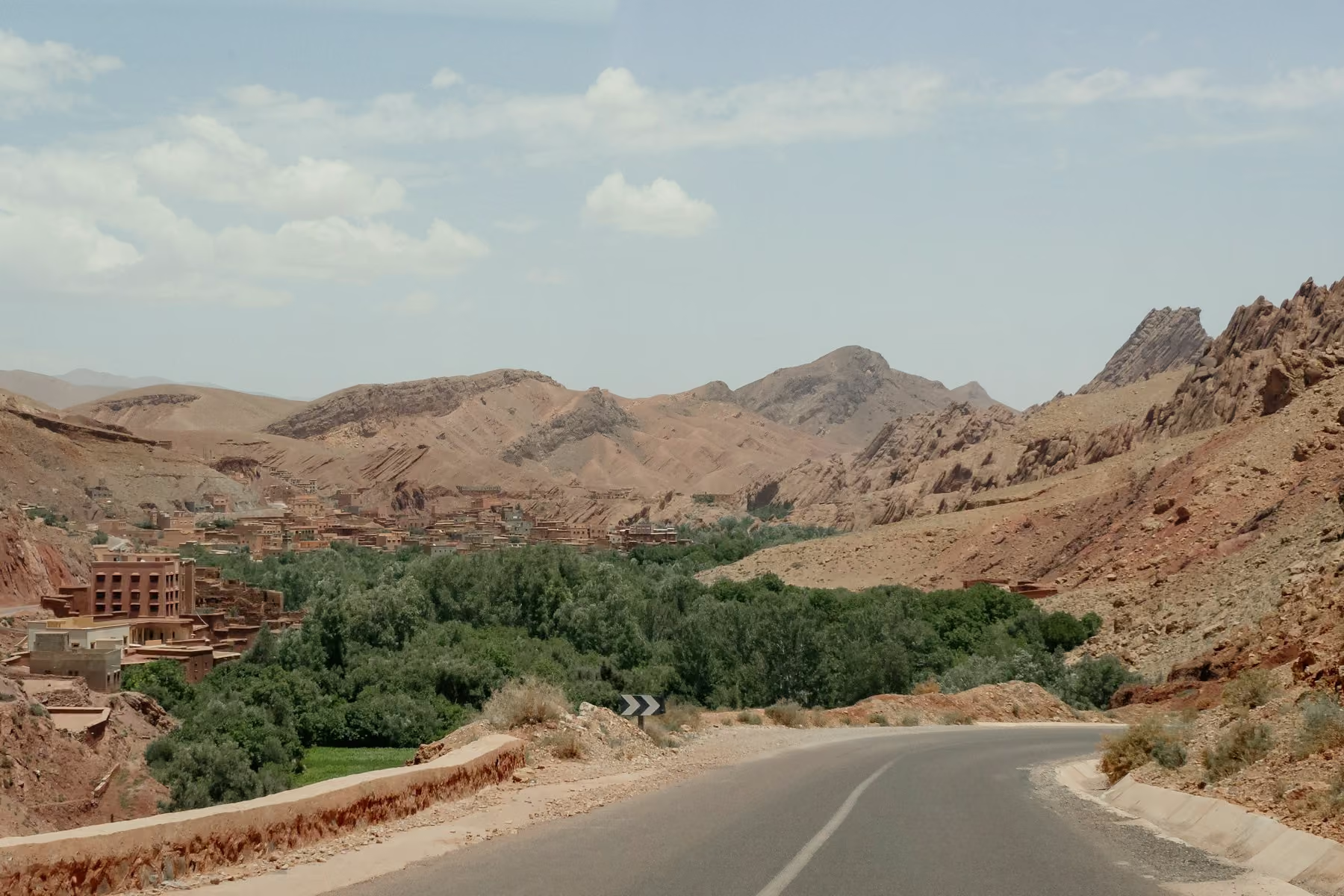
In early May the Dades Valley smells of roses. Around Kelaat M'Gouna, Damask roses line the fields and paths between date, orange and fig trees, and families pick the blooms early in the morning, before the sun dulls their scent. The harvest ends in the Rose Festival, usually three days from a Friday to a Sunday in the first weeks of May, with Amazigh music and dancing, markets of rosewater and oils, a parade, and around 20,000 visitors. Dates move with the bloom, so confirm them in spring. The valley is about six to seven hours from Marrakech by road.
Walk the rose fields in the morning, when the picking happens. Combine the valley with Erg Chebbi: May is also one of the best months for the desert.
- 3h 45m
- London Heathrow to Marrakech, non-stop
- 37°C
- Average July high in Fes and Marrakech, often passing 40°C
- 4,167m
- Jebel Toubkal, North Africa's highest peak, snow covered in winter
- 4°C
- Typical winter night low at Merzouga, beside Erg Chebbi
Planning the trip
Where to go, how long, and how to get there
Morocco is close: under four hours from London to Marrakech. That makes a long weekend possible, but the country rewards a week or more. Pick your season first, then your route: cities and mountains suit almost any month, while the desert and the coast each have a clear best and worst.
- Long weekendMarrakech and the AtlasThree or four nights in a medina riad, with a day in the High Atlas around Imlil. Best from March to May and September to November. In winter the same trip brings snowy peaks and cold nights; in summer, keep the medina for early morning and evening.
- One weekOver the mountains to the dunesMarrakech, then east via Ouarzazate and the Dades valley to Erg Chebbi, sleeping a night in a desert camp. Spring and autumn are ideal. Time it for early May to catch the roses, and avoid July and August, when the desert is simply too hot.
- Ten daysImperial cities and the SaharaFly into Fes for the medina, drive about seven hours south to Merzouga, then cross west through the Dades to Marrakech. October is the sweet spot. Allow for long road days and break them with a night in the gorges.
- SummerThe Atlantic coastFrom June to August, base yourself in Essaouira, where temperatures stay in the low to mid 20s, and visit Marrakech only for a night or two. Expect strong afternoon wind, especially in July, which suits kitesurfers better than sunbathers.
Getting there
British Airways flies non-stop from Heathrow to Marrakech in about 3 hours 35 to 45 minutes, and there are also direct flights from Luton and Stansted. Marrakech is the natural hub for the south, the Atlas, Essaouira and the desert. Fes, the base for the north and the shortest road to Erg Chebbi, has its own airport, which saves a long drive from Marrakech.
Ramadan 2027
Ramadan is expected to run from about 8 February to early March 2027, with Eid al-Fitr around 10 March. Shops and sights open later and close earlier, some restaurants close for the month and alcohol is harder to find. Streets empty around sunset for iftar, then come alive late into the night. Morocco also moves its clocks back an hour for the month.
Prices and booking
Peak: Easter, the October half term, and Christmas to New Year, when the best riads and desert camps fill months ahead. High: the rest of spring and autumn. Low: high summer in Marrakech and Fes, when rates drop with the heat, though Essaouira and the coast are busy. Book desert camps early for the October half term.
Questions people ask
The best time to visit Morocco, answered
What is the best time to visit Morocco?
March to May and September to November. Both seasons bring warm, dry days in Marrakech and Fes, comfortable desert trips to Erg Chebbi and good trekking in the High Atlas. April and October are often singled out as the best months. Summer is too hot inland for most travellers, and winter is mild by day but cold at night, with snow in the mountains.
How hot does Marrakech get in summer?
Very hot. July and August average about 37°C in Marrakech and Fes, and temperatures can easily pass 40°C, with almost no rain. Sightsee in the early morning and evening, choose a riad with a plunge pool, or base yourself on the coast in Essaouira, which stays at about 22 to 26°C. The Sahara is best avoided until September.
Is it worth visiting Morocco during Ramadan?
It can be, with the right expectations. In 2027 Ramadan is expected from about 8 February, with Eid al-Fitr around 10 March. Expect later opening, little before 10am, some restaurants closed and less alcohol, though hotels may still serve it. Eat and drink discreetly in public. The reward is the evening: quiet streets at iftar, then a lively, late night city.
Does it snow in Morocco?
Yes, in the High Atlas. December often brings snow that can close roads and trekking routes, and Oukaïmeden, south of Marrakech, usually opens for skiing in January and February, snow permitting, with a chairlift to 3,258 metres. Winter climbs of Toubkal, at 4,167 metres, are often on snow and may need crampons. Marrakech itself stays mild and sunny by day.
How cold is the Sahara at night?
In winter, very. At Merzouga, beside Erg Chebbi, winter days average about 17°C but nights fall to around 4 or 5°C, so camps provide blankets and you will want a warm layer. In summer the opposite problem applies: highs of about 40°C and nights that rarely drop below 27°C. Spring and autumn nights sit around 14°C.
When is the Rose Festival in Morocco?
In early May, in Kelaat M'Gouna in the Dades Valley. It usually runs for three days from a Friday to a Sunday in the first weeks of the month, when the Damask rose harvest is in, and the dates move with the bloom. The 2026 edition ran from 6 to 9 May. Expect music, dancing, a parade and markets of rosewater and oils.
Keep exploring
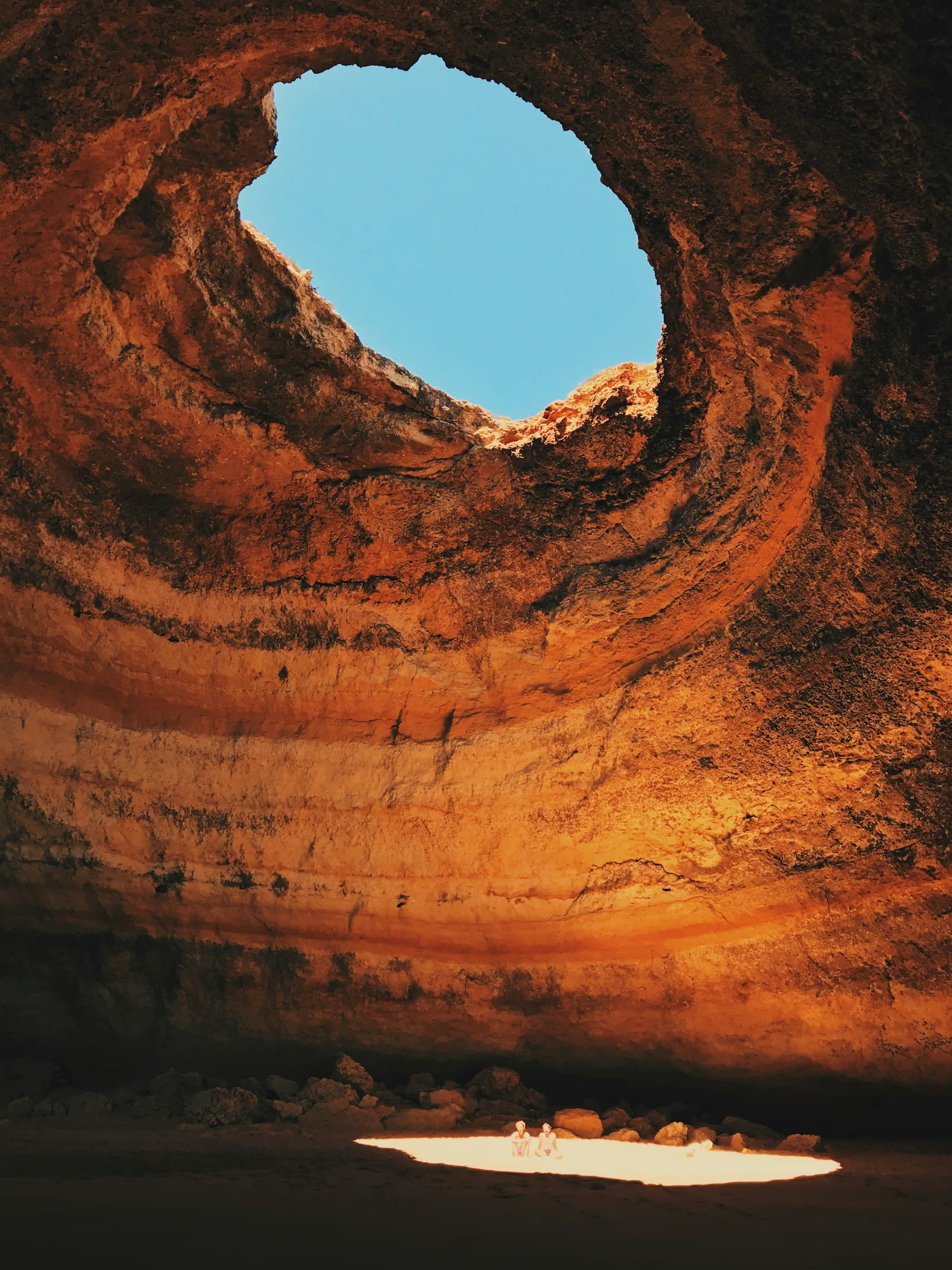 Pair it withPortugal, month by monthAt its best: Apr, May, Jun, Sep, Oct.
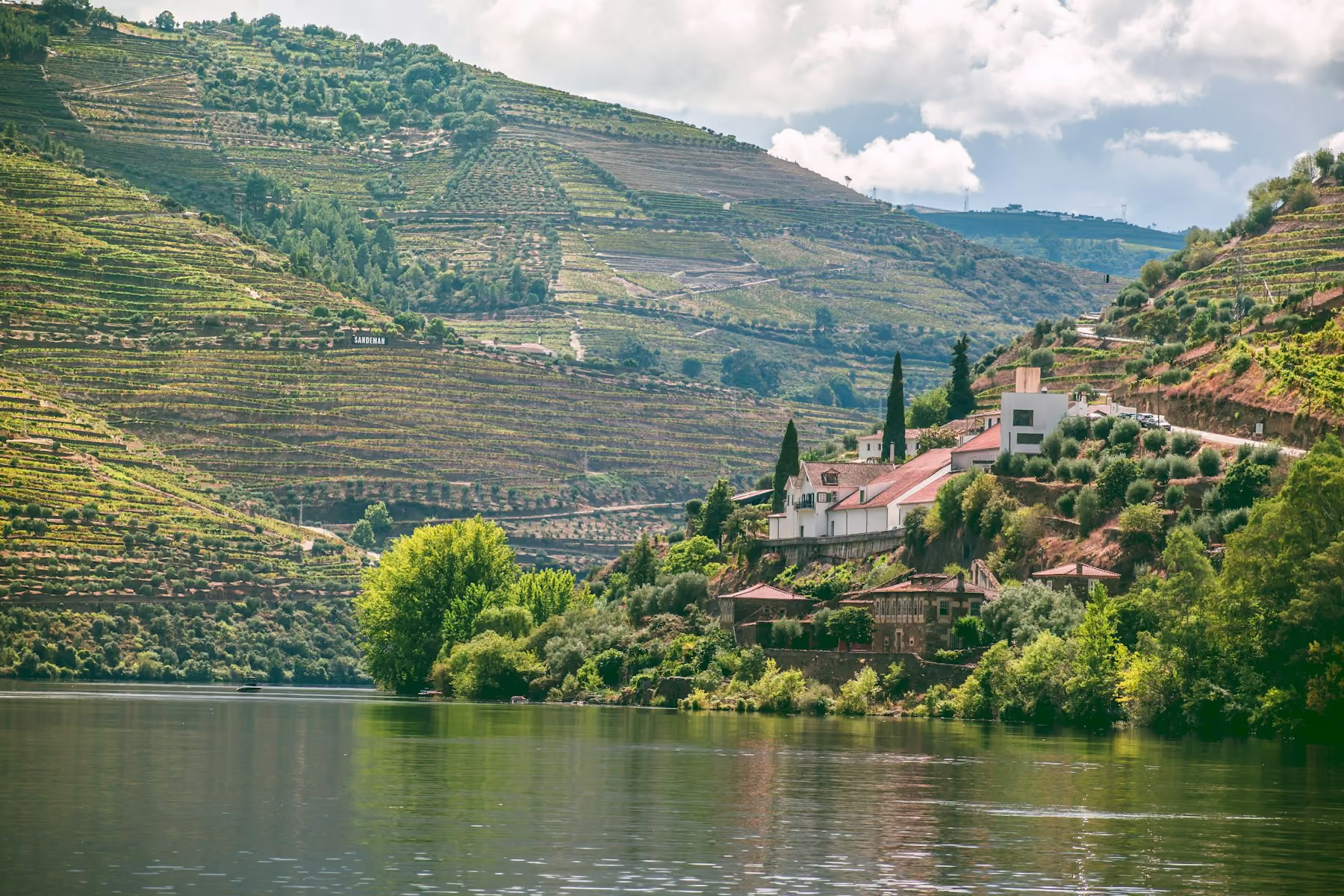 Where to stayPortugal: the shortlist18 hotels, each one recognised by named judges.
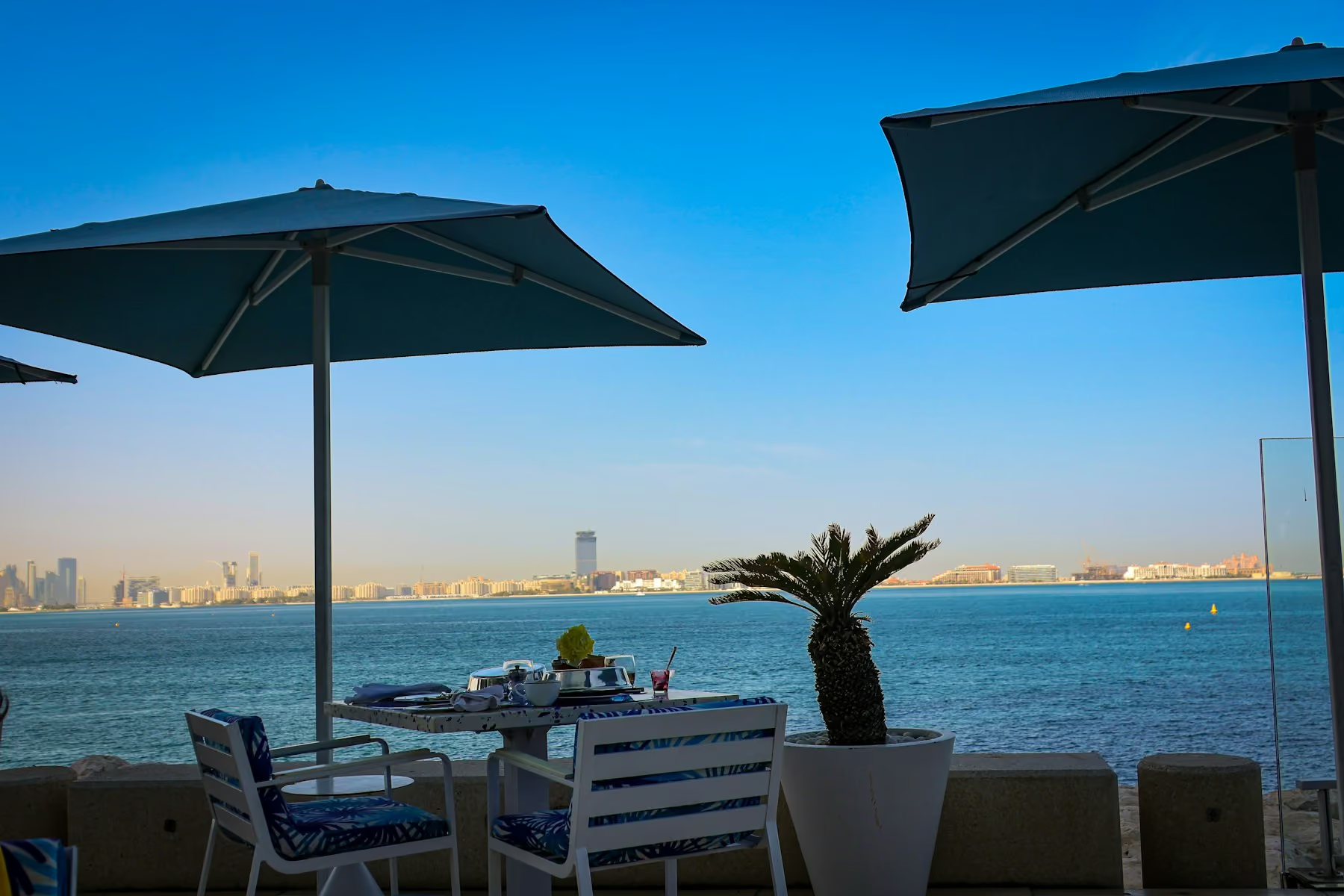 Pair it withDubai, month by monthAt its best: Jan, Feb, Mar, Nov, Dec.
 Where to stayDubai: the shortlist19 hotels, each one recognised by named judges.