Wild · Safari · When to go
The Great Migration: follow the herd
Month by month: where more than two million animals will be, and where you should be waiting for them.
The short answer
When to see the Great Migration
The Great Migration is a year-round loop of more than two million animals, most of them wildebeest, with zebra and gazelle, through Tanzania's Serengeti and Kenya's Masai Mara. Go in February for the calving on the southern plains, and July to October for the river crossings in the north. April and May are the long rains: quiet, green and cheap.
- CalvingJan to MarSouthern Serengeti
- First crossingsJuneGrumeti, Western Corridor
- River crossingsJul to OctThe Mara River, both sides
- Long rainsApr to MayQuiet, green, best rates
Herd movements checked on 15 October 2026: When to see the Great Migration, Asilia Africa. Ending on a beach? See the best time to visit the Maldives, a straightforward hop from Nairobi or Dar es Salaam via the Gulf.
Move the month
Where is the herd in August?
Mara River
Peak crossing season, on both sides of the border.
Crowds: Busiest
The Great Migration month by month
The herds follow the rain and the grass, so every year runs a little early or late. Treat this as the usual pattern, not a timetable.
There is no start line and no finish. The loop is driven by the grass: when the rains come the southern plains turn green and rich in minerals, ideal for calving, and as they dry out the herds push north and west in search of water, reaching the Mara when Kenya's grass is at its best. A good guide reads the weather the way you would read a timetable, which is why the camp you choose matters more than the exact week you book.
- JanuarySouthern Serengeti · QuietThe herds spread across the short-grass plains around Ndutu. Calving begins.
- FebruarySouthern Serengeti · BusyCalving peaks: around half a million calves in two or three weeks, and the predators that follow them.
- MarchSouthern Serengeti · QuietCalves find their legs; the herds start to stir as the plains dry.
- AprilCentral Serengeti · Very quietThe long rains. Herds drift north-west; some camps close and others cut prices.
- MayCentral Serengeti · QuietColumns miles long move through Seronera in the rut.
- JuneWestern Corridor · ModerateThe Grumeti River: the first crossings, and its crocodiles.
- JulyNorthern Serengeti · BusyThe front reaches the Mara River. The crossings begin.
- AugustMara River · BusiestPeak crossing season, on both sides of the border.
- SeptemberMasai Mara · BusyThe Mara is full; crossings continue, in both directions.
- OctoberMasai Mara · ModerateThe grass runs short. The herds gather to turn south.
- NovemberEastern Serengeti · QuietThe short rains pull the herds south down the eastern side.
- DecemberSouthern Serengeti · ModerateBack on the southern plains, heavy with calves to come.
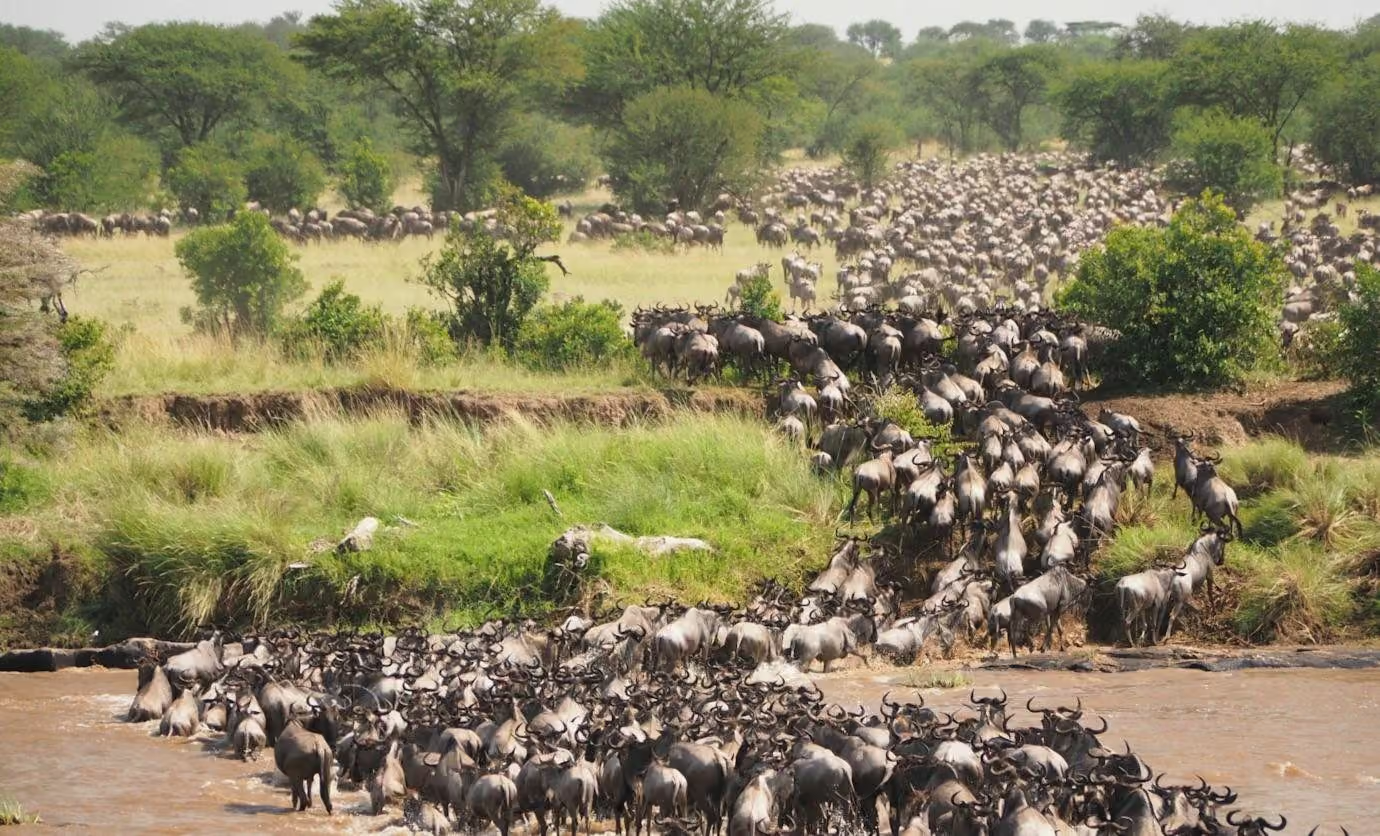
July to October · The Mara River
The crossing
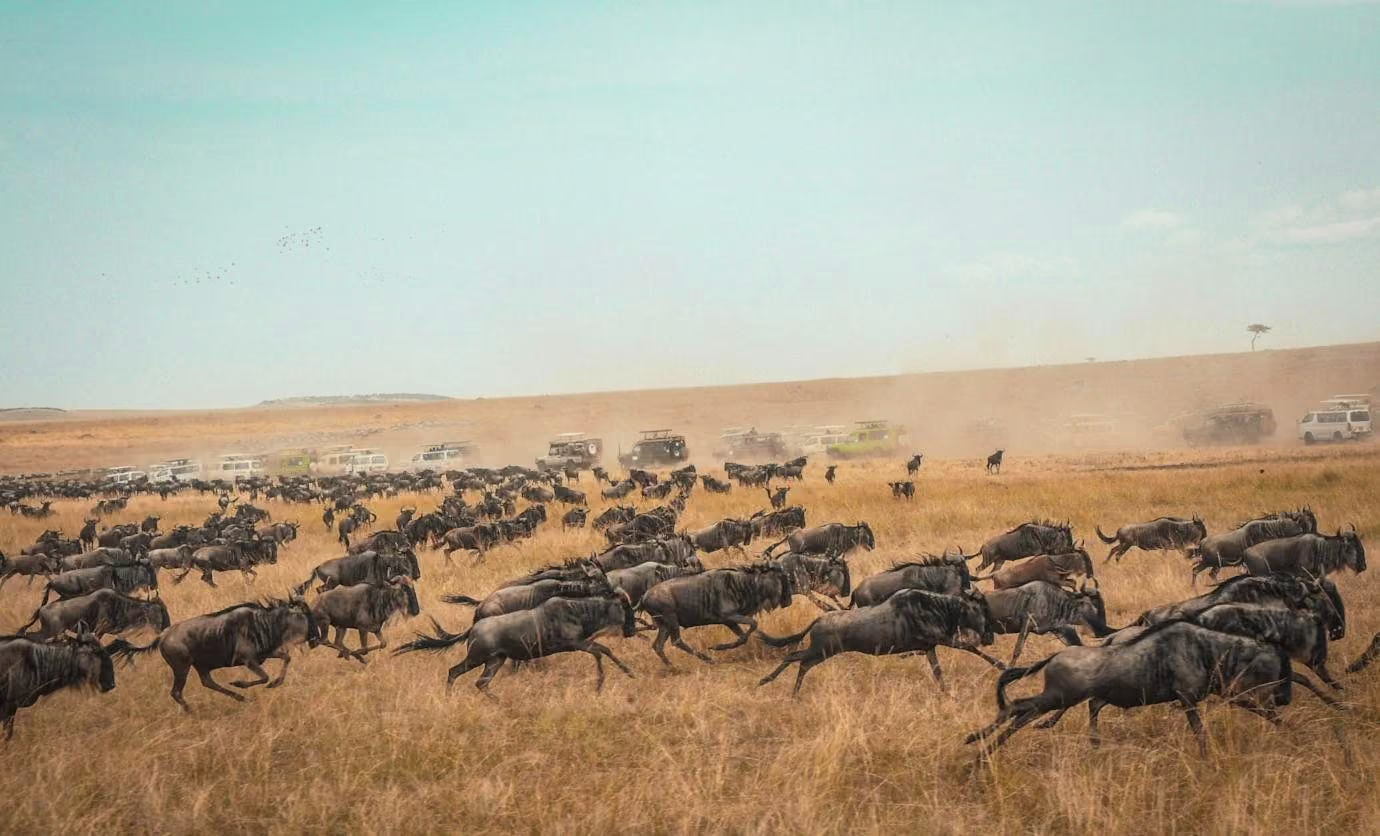
Thousands bunch on the bank for hours, then one goes and the rest follow, into the current and the crocodiles. No one can tell you when it will happen, or whether the herd will turn away at the last moment. That is why you stay three nights on the river, not one.
Camps on both sides of the border sit within reach of the crossing points. In the north of the Serengeti you trade the Mara's easy flights for fewer vehicles.
The honest bit
You will not be alone
Look behind the herd in that photograph. In peak season the main reserve can have dozens of vehicles at a single crossing. The fix is where you sleep: private conservancies bordering the Mara limit the number of vehicles at each sighting, and allow walking safaris and night drives.
Ask any camp two questions: how many vehicles are allowed at a sighting, and can you go off-road. The answers tell you more than the brochure.
The followers
Where the herd goes, the cats go
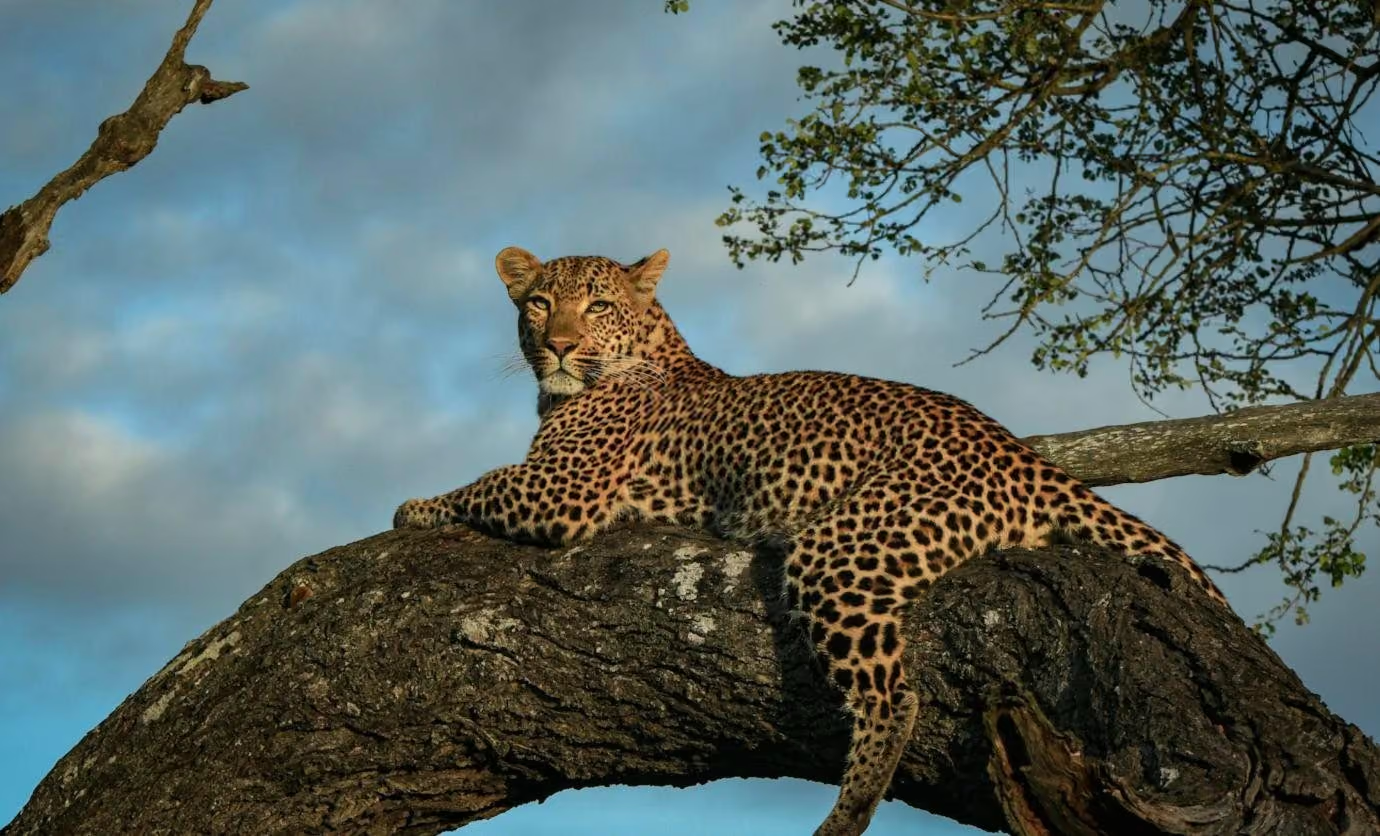
Lion, leopard and cheetah shadow the migration. Leopards are the hardest to find and the most rewarding: look up, into the sausage trees, in the late afternoon. Calving season in February is the best time of all for predator action.
The Big Five
- LionEverywhere the herd is
- LeopardIn the trees, at dusk
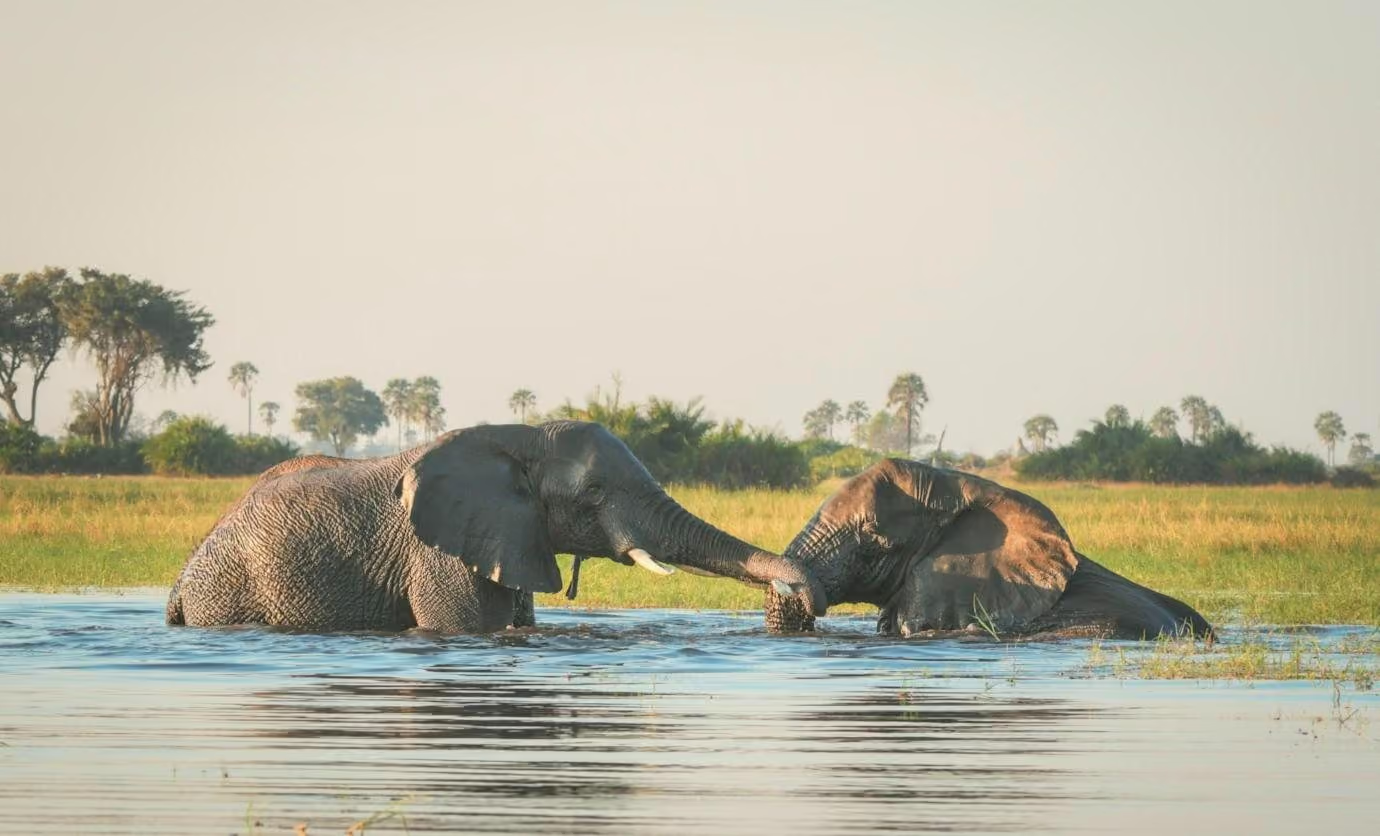
- ElephantBotswana for numbers
- RhinoThe rarest sighting
- BuffaloIn herds of hundreds
Beyond the migration · Botswana
The flood that arrives in the dry season
The Okavango's floodwater reaches the delta in the middle of Botswana's dry winter, so the water peaks just as everything else dries out. Elephants by the hundred, mokoro canoes through the reeds, and very few other people.
Best: June to October. Feel: remote, small camps, fly-in only. It pairs well with Victoria Falls.
Which safari, when
Four safari countries, compared
| Kenya | Tanzania | Botswana | South Africa | |
|---|---|---|---|---|
| Best months | Jul to Oct, Jan to Feb | Jun to Oct, Jan to Feb | Jun to Oct | May to Sep |
| Go for | Mara crossings, private conservancies | Calving, the whole Serengeti | Elephants, water, solitude | The Big Five, shorter trips |
| From London | Direct to Nairobi | One stop to Kilimanjaro | Via Johannesburg to Maun | Direct to Johannesburg |
| Feel | Classic, social | Vast, wild | Remote, fly-in | Polished, easy |
Only Kenya and Tanzania have the Great Migration. For a first safari with the herds, Kenya is the easiest: a direct flight, a short hop to the Mara, and conservancies to escape the crowds. For space and the calving, choose Tanzania. For a second safari, Botswana. And if the journey matters as much as the arrival, see our guide to luxury train journeys.
Planning the trip
How to plan a Great Migration safari
Book early for August
The best camps near the Mara River fill a year ahead for July and August. If you are tied to school holidays, book as soon as you know your dates. Calving season in February is a little easier, and the shoulder weeks of June and November easier still.
Two camps, not one
Seven to ten nights split between two or three camps gives you different country and better odds. Seasonal mobile camps move with the herd, pitching on the southern plains for the calving and in the north for the crossings, so you sleep close to the action without long drives.
Light aircraft, soft bags
Most camps are reached by small planes from airstrip to airstrip. Luggage limits are strict, often around 15kg in a soft bag, so pack light: neutral colours, a warm layer for the open vehicle at dawn, binoculars for everyone and a camera with a long lens.
Then the beach
Dust and early starts make a few days by the sea the perfect ending. Zanzibar is a short flight from the Serengeti and the Kenyan coast is close to the Mara. For a honeymoon, the Maldives is a longer hop, and worth timing with the dry season there.
Questions people ask
The Great Migration, answered
When is the best time to see the Great Migration?
July to October for the river crossings in the northern Serengeti and Kenya's Masai Mara, and late January to February for the calving on the southern plains of the Serengeti. August is the busiest month at the Mara River.
Where is the Great Migration?
In Tanzania's Serengeti and Kenya's Masai Mara, which together form one ecosystem. The herds follow the rain in a clockwise loop: the southern Serengeti early in the year, the Western Corridor in June, the Mara from July to October, then back south down the eastern side.
How many animals are in the Great Migration?
More than two million animals, most of them wildebeest, travelling with zebra and gazelle. It is the largest overland movement of mammals on earth.
Is the Masai Mara or the Serengeti better for the Great Migration?
The Serengeti has the herds for most of the year and the calving; the Mara has them from about July to October, in a smaller area with easier access from London. For the crossings, both sides of the Mara River work.
How many nights do you need to see a river crossing?
Plan three nights at least. Crossings cannot be predicted: herds can gather on the bank for hours or days and then turn away. More time on the river is the only reliable way to improve your odds.
Is it worth going to the Serengeti in April and May?
If you want solitude and value, yes. The long rains make some roads hard going and some camps close, but the plains turn green, the herds are on the move, and rates are at their lowest.
Keep exploring
- Where to staySafari lodges: the shortlist10 lodges, each one recognised by named judges.
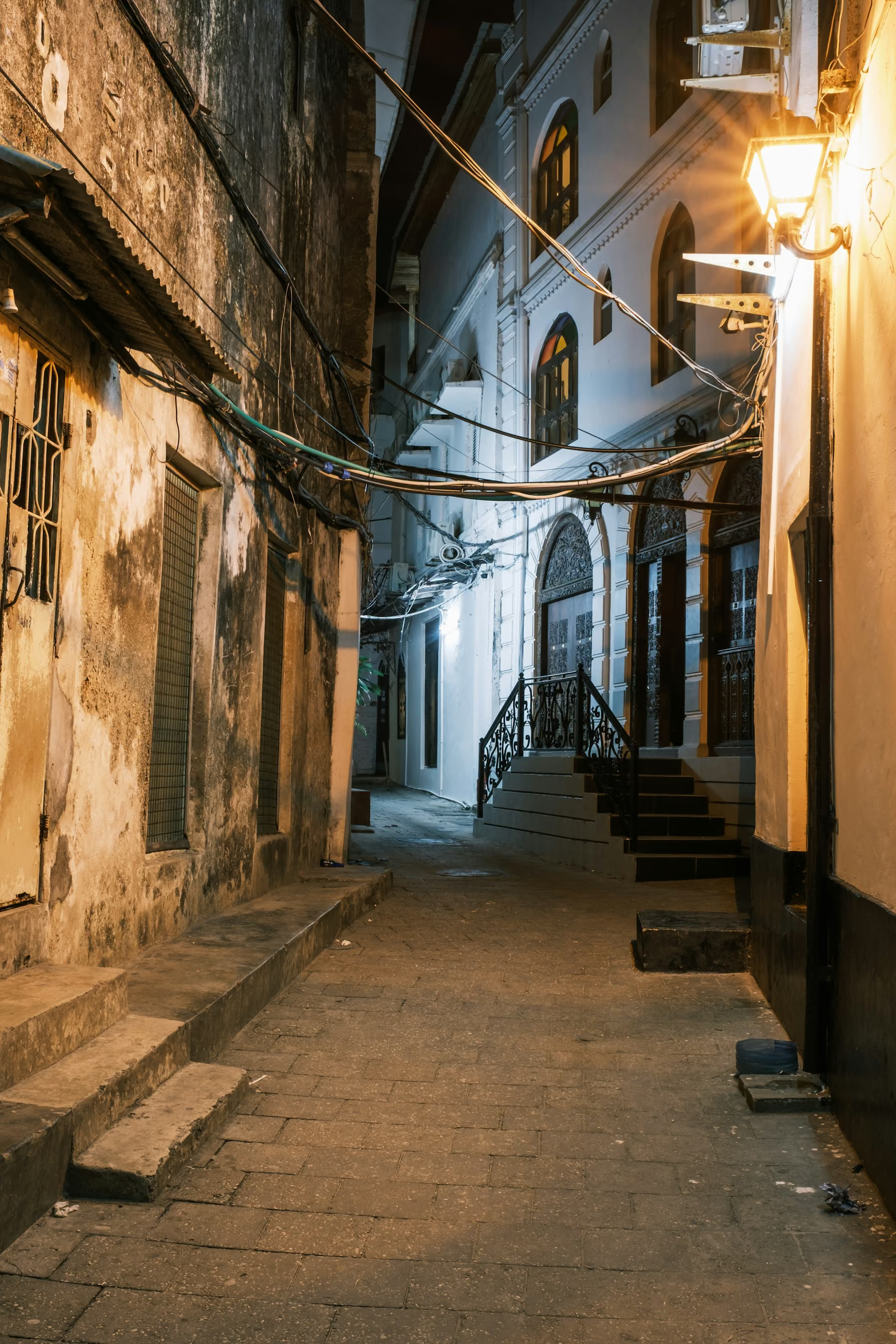 Pair it withZanzibar, month by monthAt its best: Jan, Feb, Jun, Jul, Aug, Sep, Oct.
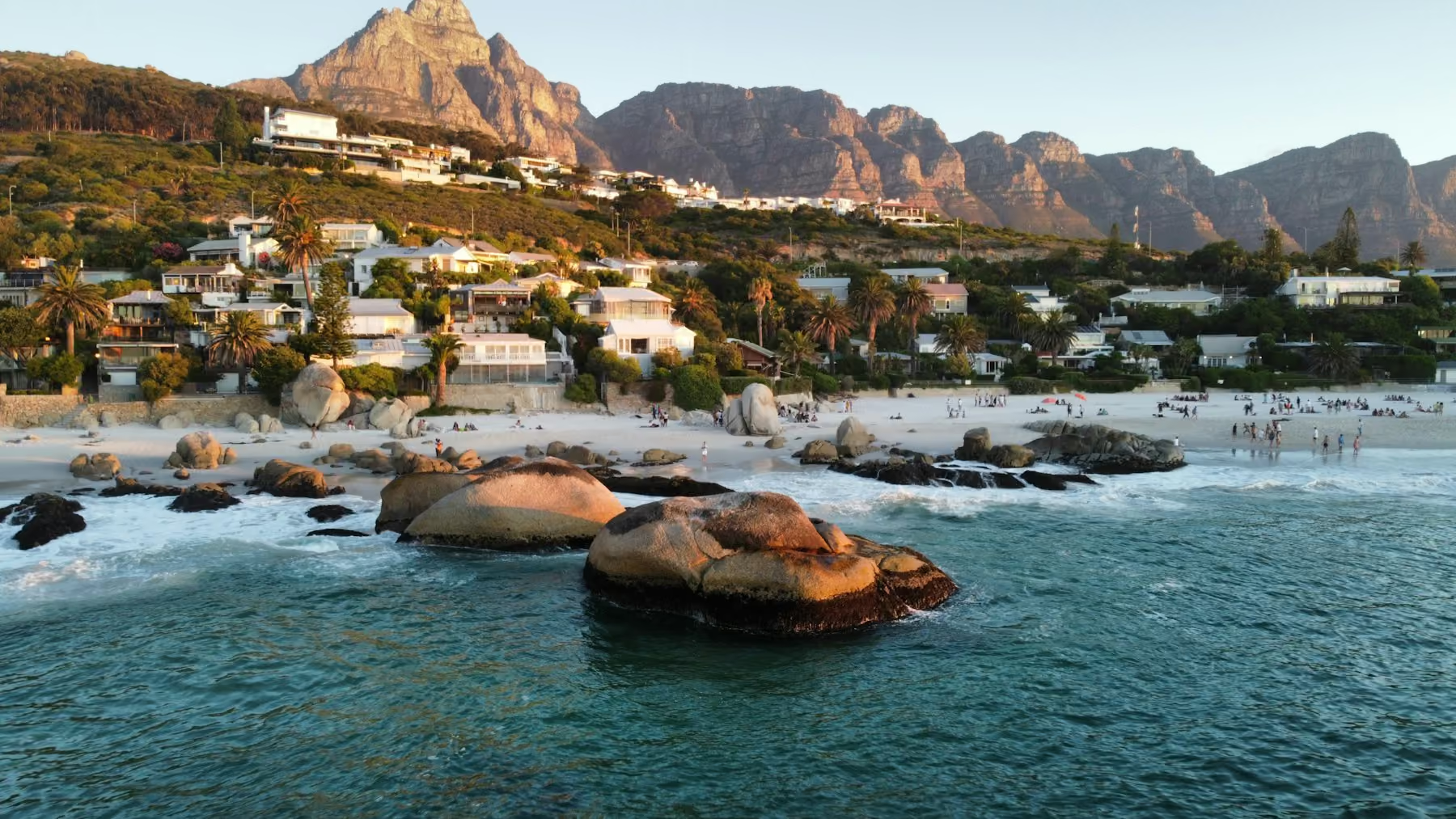 Pair it withSouth Africa, month by monthAt its best: Jan, Feb, Mar, Nov, Dec.
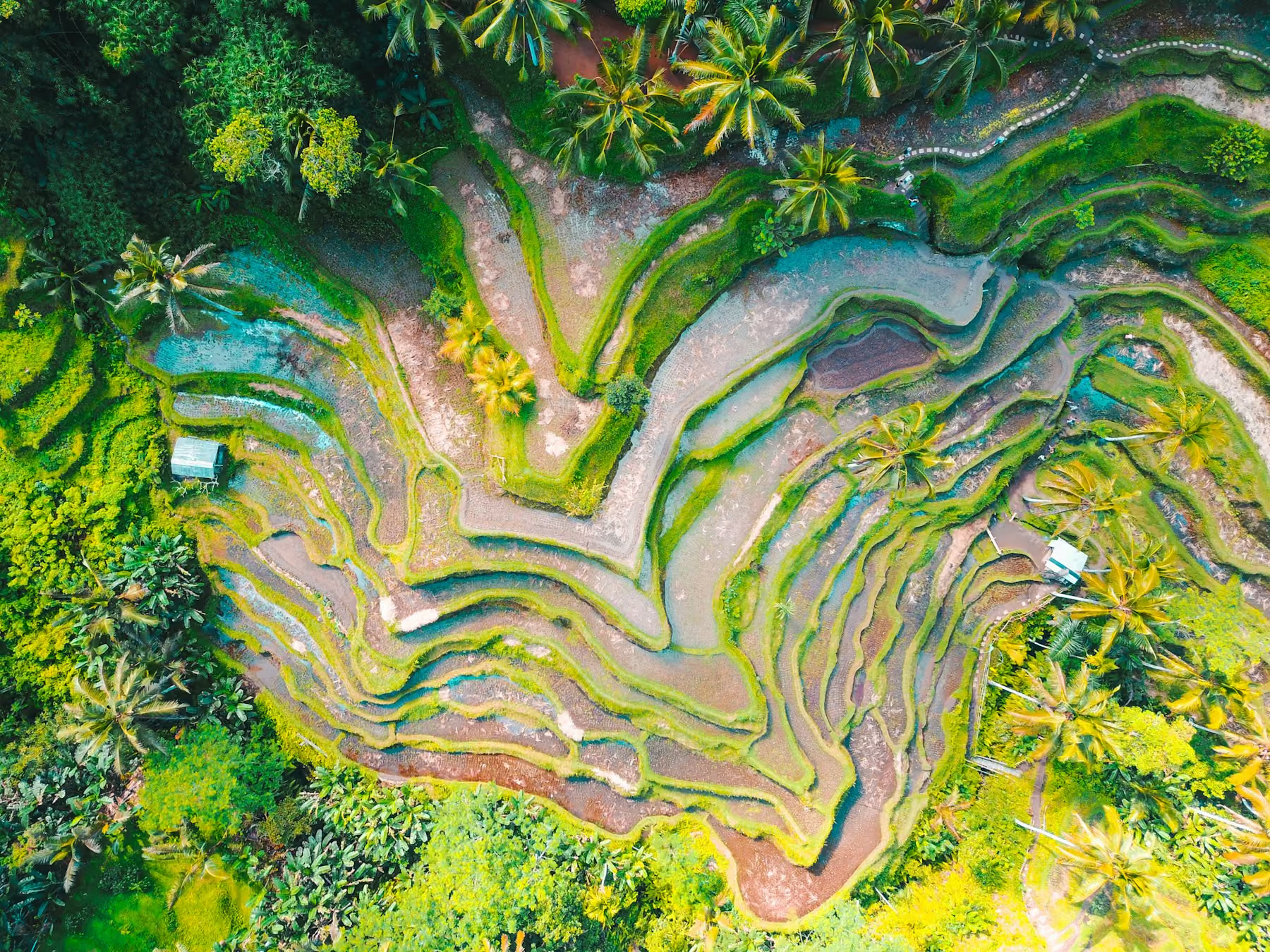 Same seasonBali, month by monthAlso at its best in Jul, Aug, Sep.