Africa · When to go
The best time to visit South Africa, month by month
Two climates share one country: the Cape is dry when the bushveld is wet, so every month has somewhere at its best.
Photo: Unsplash
The short answer
When to go, in one paragraph
The best time to visit South Africa depends on where you go: November to March for Cape Town, the beaches and the winelands, and May to September for safari in Kruger, when the bush thins and animals gather at water. The two seasons run in opposite directions, so a winter safari pairs neatly with the Cape's quieter, greener months, and September brings whales, wildflowers and dry bush together.
- For Cape TownNov to MarDry, warm summer with highs of 23 to 26°C
- For safariMay to SepKruger's dry season, thin bush and busy waterholes
- For one trip that does it allSep to OctWhales in Walker Bay, flowers, and the end of the dry season
Checked on 16 October 2026 against South African Tourism: The secret is out, the best time to visit Cape Town is revealed, Lonely Planet: Best time to visit South Africa and Rhino Africa: A season by season guide to the best time for your Kruger safari.
Pick your month
Turn the year
- October
- Whales are at their most active around Hermanus and the Cape warms up. In Kruger the first rains arrive and migrant birds return.
- What's on
- Hermanus Whale Festival, early October; Rocking the Daisies
- Prices
- Shoulder, a quieter run before summer
Cape summerShoulderCape winter, safari peak
South Africa month by month
- JanuaryCape summer · Peak early in the month, with school holidaysCape Town at its warmest and driest, with average highs around 26°C. Kruger is hot and green, with afternoon storms and newborn animals in the bush. Cape Town Minstrel Carnival, 2 January; winelands harvest begins late in the month.
- FebruaryCape summer · High, a little calmer than JanuaryAnother warm, settled month in the Cape, with highs near 26°C and the local holiday crowds gone. Harvest is under way across the winelands. Grape harvest; Cape Town Pride, late February or early March.
- MarchCape summer · HighArguably the sweet spot for the Cape: highs around 25°C, harvest still running and the long days of summer winding down gently. Cape Town Cycle Tour; KKNK arts festival in Oudtshoorn; Cape Town International Jazz Festival, March or April.
- AprilShoulder · Shoulder, High over EasterThe rains ease in Kruger and the bush starts to open. A good month to mix safari and the Cape, though Easter fills family hotels. Impala rut begins; Splashy Fen music festival near Underberg.
- MayShoulder · Shoulder, good value in the CapeKruger's dry season begins, with cool mornings and warm afternoons. The Cape turns cooler and wetter, with about 117mm of rain, and the crowds thin. Franschhoek Literary Festival; Garden Route quiet.
- JuneCape winter, safari peak · Low in the Cape, High for safariCape Town's wettest month, at around 143mm, yet sunny days still break through. Kruger is dry and excellent for game viewing, if cold on early drives. Whale season opens; National Arts Festival begins in late June.
- JulyCape winter, safari peak · High for safari, Low in the CapePrime safari weather: Kruger mornings of 5 to 10°C, afternoons of 20 to 25°C, and animals drawn to permanent water. Cape days are cool and green. Knysna's 10-day festival on the Garden Route; early wildflowers if the rains allow.
- AugustCape winter, safari peak · High for safari, Shoulder in the CapeStill deep in the dry season up north, while the Cape's rains feed the wildflowers. Late August is when the northern Namaqualand blooms usually peak. Namaqualand flowers; whales in Walker Bay; Klein Karoo Klassique.
- SeptemberShoulder · High, book safari lodges earlyThe most rounded month of the year: thin bush in Kruger, flowers in the south of Namaqualand, and whale watching building to its peak in Hermanus. Wildflowers; whales; SANParks Free Week.
- OctoberShoulder · Shoulder, a quieter run before summerWhales are at their most active around Hermanus and the Cape warms up. In Kruger the first rains arrive and migrant birds return. Hermanus Whale Festival, early October; Rocking the Daisies.
- NovemberCape summer · High, rising towards ChristmasSummer begins in the Cape, with highs around 23°C and long, bright evenings. Kruger is green, hot and full of birdlife and young animals. Last of the whale season; birding in Kruger.
- DecemberCape summer · Peak: book months aheadCape Town is warm and dry with highs near 25°C, and the whole country goes on holiday. Wonderful weather, but plan well ahead. Festive season on the Atlantic seaboard and the Garden Route.
November to March · Cape Town
The long Cape summer
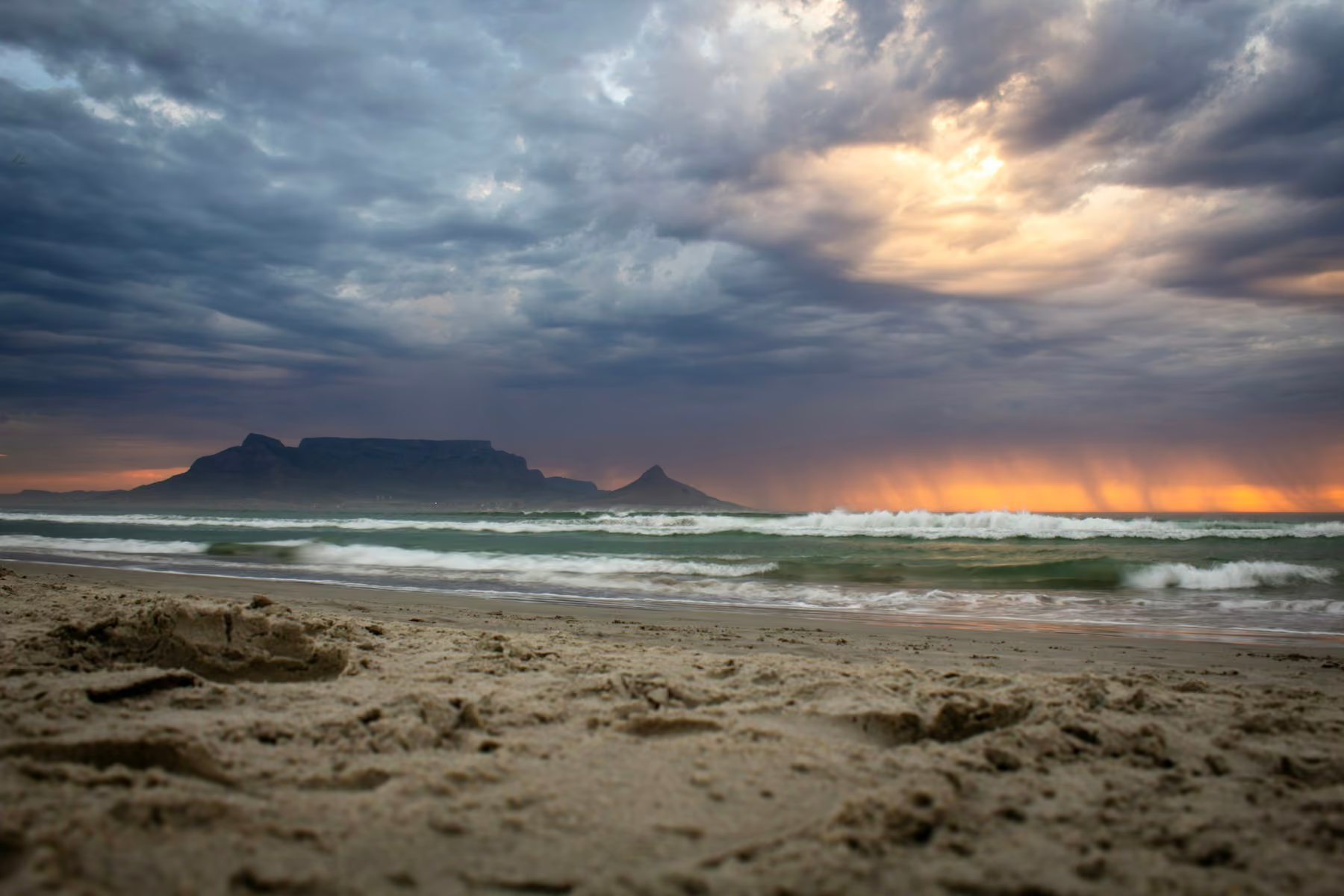
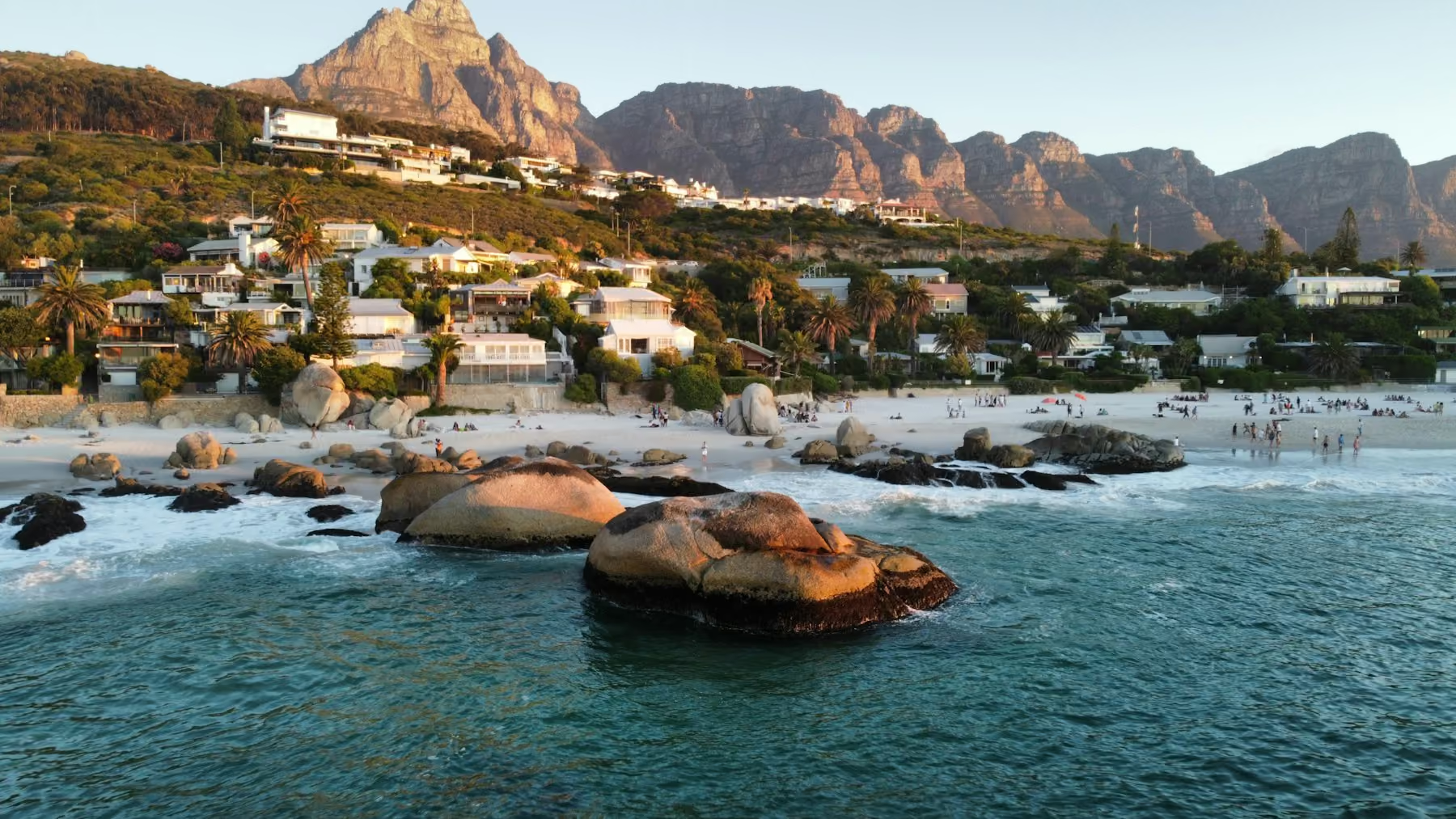
Cape Town turns the usual African calendar on its head. Its rain falls in winter, so summer, from November to March, is dry and bright, with average highs of 23°C in November rising to 26°C in January and February. Mornings start around 17°C and the hottest days can touch 35°C. This is the season for the Atlantic seaboard beaches, long lunches in Constantia and sundowners with Lion's Head turning pink. The year opens with the Cape Town Minstrel Carnival on 2 January, and Pride follows in late February or early March.
Summer overlaps with the Christmas and summer school holidays. Peak prices can rise by 50% or more, and coastal hotels book up months ahead.
May to September · Kruger
When the bush thins out
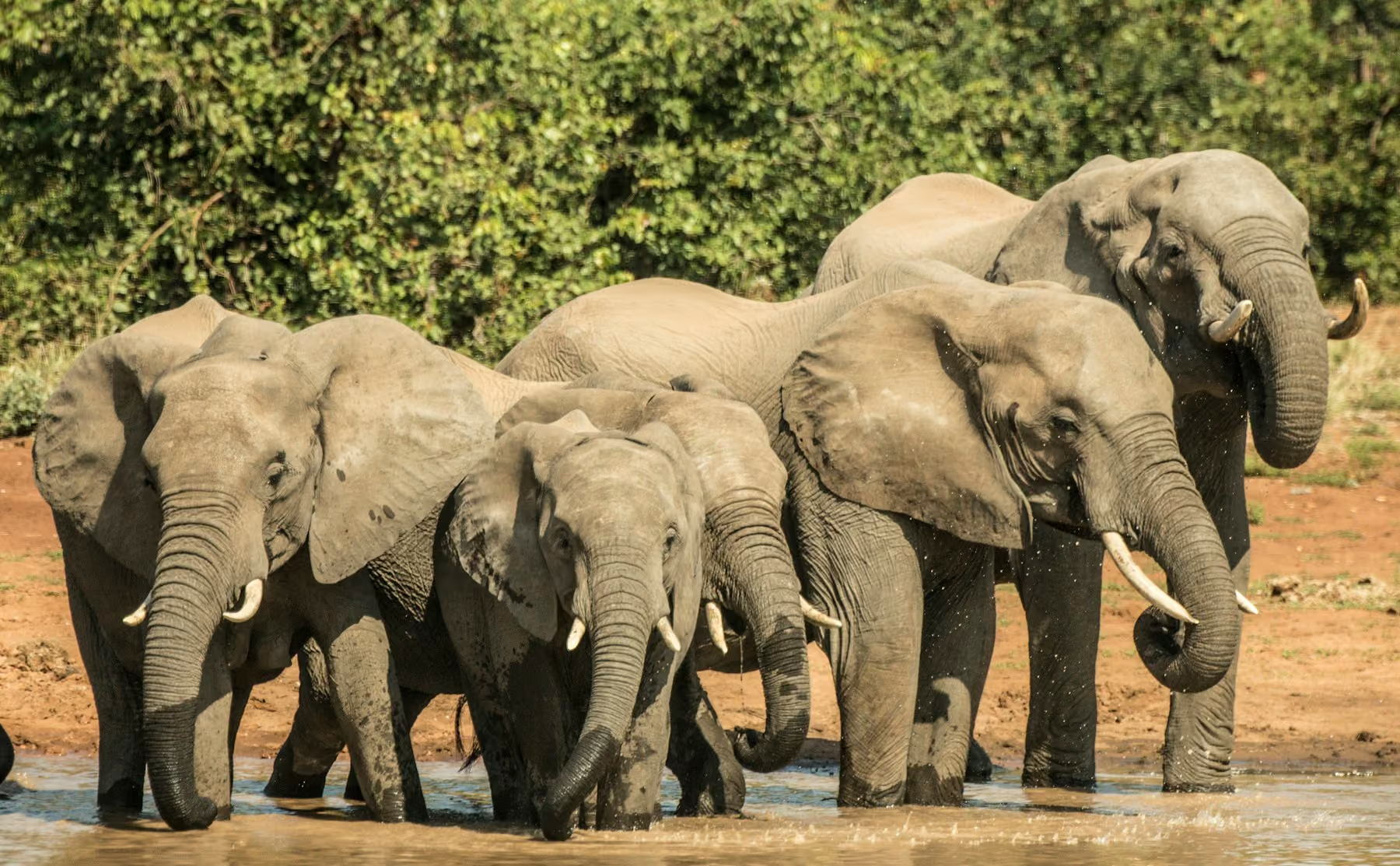
In Kruger and the private reserves around it, the dry season runs from May to September. With little rain, the grass dies back, the bush opens up and animals have to come to the rivers, dams and waterholes, with predators close behind. Leopards lie up in marula trees and elephants gather along the riverlines. Mornings are cold, around 5 to 10°C, and afternoons a comfortable 20 to 25°C. From October to April the park is green, hot and stormy, with afternoon highs of 30 to 35°C, more than 400 bird species and newborn impala and zebra.
Dry season lodges are in high demand. Book six to twelve months ahead, and pack a warm fleece and hat for open vehicles at dawn.
June to November · Hermanus
Whales from the cliff path
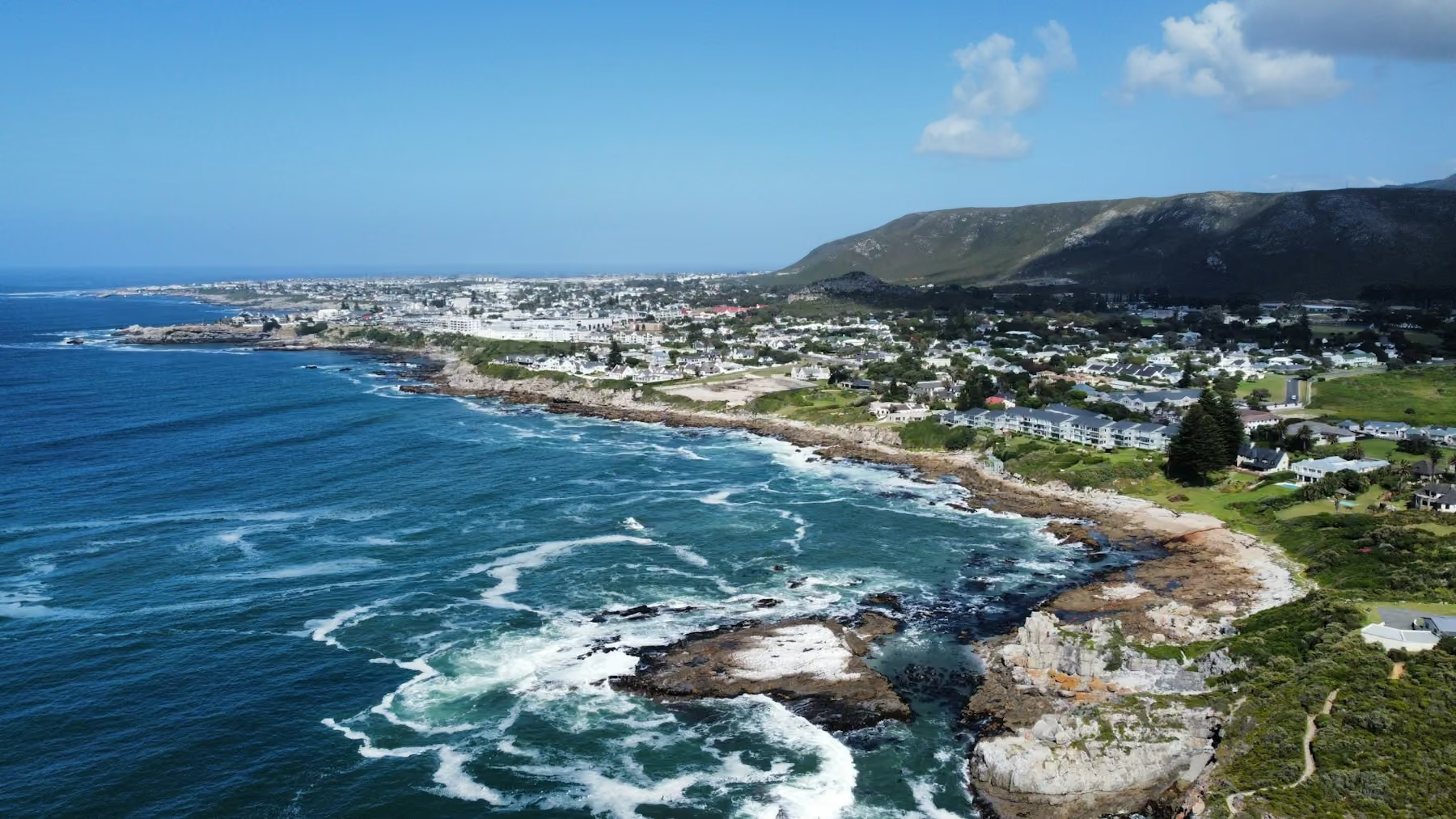
Every winter, southern right whales travel from Antarctica to the sheltered bays of the Cape to calve and nurse their young, and Walker Bay at Hermanus is the most famous place to watch them. The season runs from June to November and builds through September to a peak in early October, when the town holds its whale festival. You do not need a boat: a 12km cliff path follows the shore, and the town's whale crier walks it, sounding a kelp horn when a whale is close in.
Hermanus is a short drive from the winelands, so combine a night here with a stay in Franschhoek. Bring binoculars for the cliff path.
August to September · Namaqualand
A desert in flower
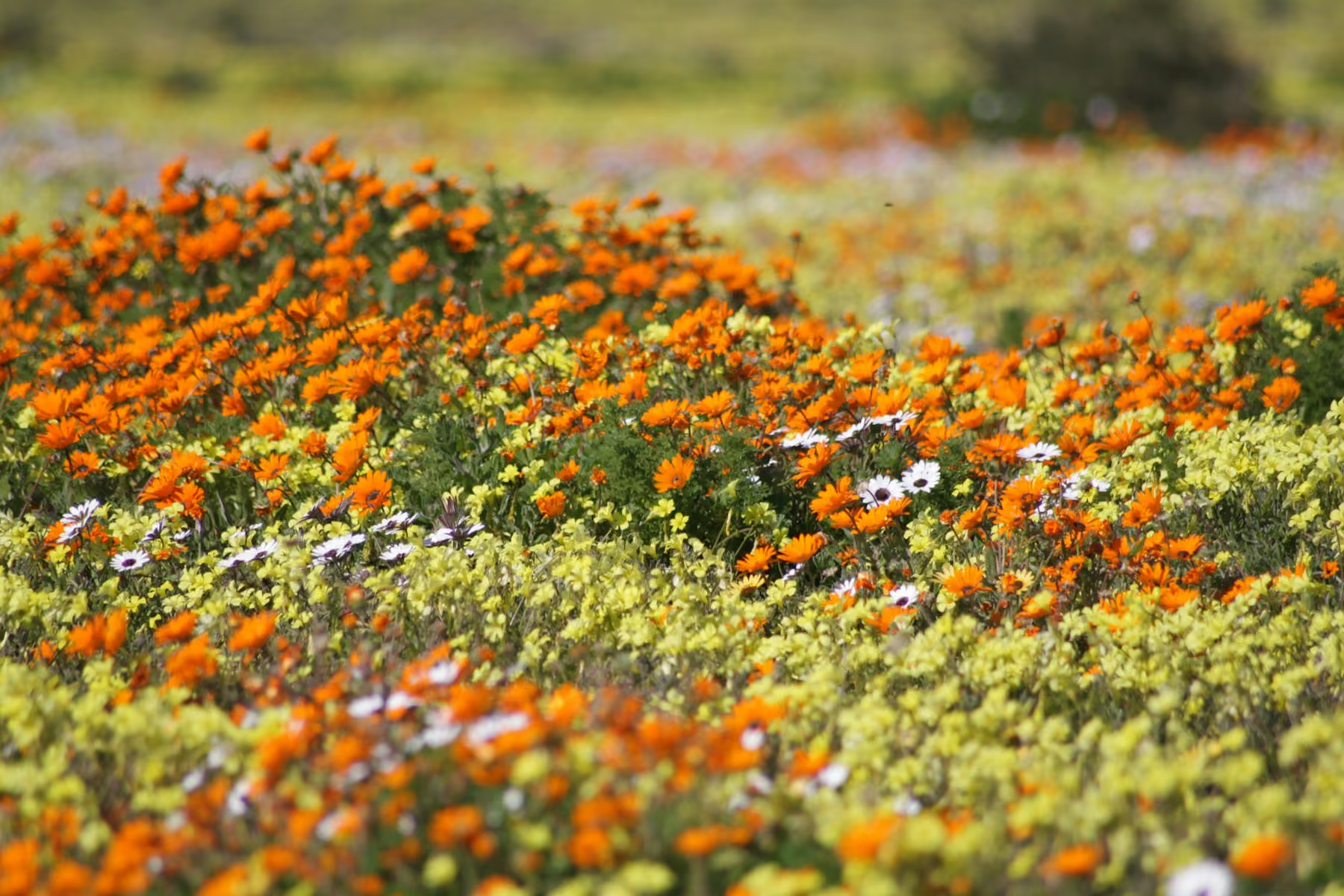
For a few weeks after the winter rains, the semi-desert of Namaqualand in the Northern Cape is carpeted with daisies. The season runs from late July to early September, with a peak of three to four weeks, usually early August to mid-September. The blooms start north of Springbok and move south over the following month. Namaqua National Park, Skilpad near Kamieskroon and Goegap near Springbok are the classic stops. The flowers only open in sunshine, so a grey day can mean closed petals across an entire valley.
Plan viewing for 11am to 3pm, when it is at least 18°C, and drive with the sun behind you, since the flowers turn to face it.
February to March · The winelands
Harvest in the valleys
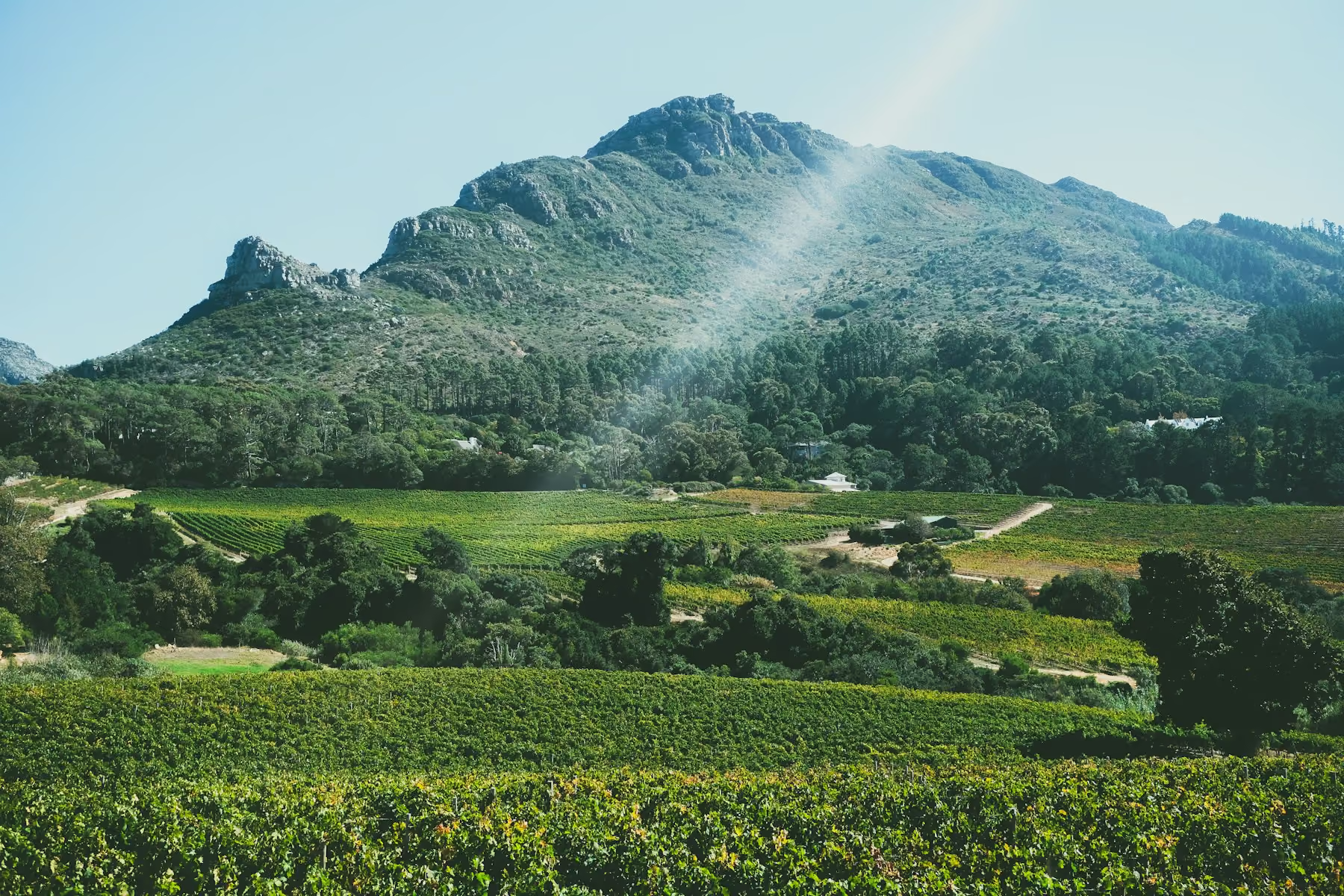
Harvest across the Cape Winelands usually starts at the end of January and lasts six to eight weeks. In Franschhoek, slower-ripening vineyards are often picked from mid-February into March. It is the liveliest time to visit Stellenbosch and Franschhoek: early starts in the vineyards, hand sorting in the cellars, and long, warm evenings for dinner. The winelands are rewarding year-round, though. In May the Franschhoek Literary Festival fills the village, and in winter the valleys turn green and the tasting rooms light their fires.
Some estates let hotel guests watch harvest work early in the morning. Ask when you book, since dates depend on how the grapes are ripening.
- 11h 30m
- London Heathrow to Cape Town, nonstop
- 11h
- London Heathrow to Johannesburg, nonstop
- 1 to 2h
- South Africa is ahead of the UK: 1 hour in British Summer Time, 2 in winter
- 143mm
- Cape Town's June rainfall, its wettest month
Planning the trip
Where to go, how long, and how to get there
South Africa is big, and the classic luxury trip links two or three regions by short internal flights. Most UK travellers fly nonstop into Cape Town or Johannesburg and fly out of the other. The time difference is small, so jet lag barely registers, and the seasons let you choose a mix that suits your month.
- Ten daysCape Town and the winelandsFour nights in Cape Town for the mountain, the Atlantic seaboard and the city's restaurants, then three in Franschhoek or Stellenbosch, with a night in Hermanus between June and November. Best from November to March for beach weather, or September to October for whales.
- Twelve daysSafari and the CapeFour nights in a private reserve bordering Kruger, then fly to Cape Town for the city and the winelands. From May to September you catch the dry season on safari, and the Cape is quieter, greener and better value than in summer.
- Two weeksThe Garden Route by carDrive east from Cape Town through Hermanus to Knysna and Plettenberg Bay. The route is temperate all year, warmest from November to April, with February the hottest month. February, May and October are quieter, and winter is good for hiking.
- Late AugustFlowers and whalesHead north to Namaqualand for the daisies, about five hours' drive from Cape Town, then come south to Hermanus for the whales. For a shorter taste of the flowers, Postberg in the West Coast National Park is about an hour from the city.
Getting there
British Airways and Virgin Atlantic both fly nonstop from Heathrow to Cape Town, taking around 11 hours 30 minutes to just under 12 hours. Both also fly nonstop to Johannesburg, the gateway for Kruger, in about 11 hours. With only a 1 or 2 hour time difference, jet lag is barely a factor.
When to book
For Christmas, New Year and the summer school holidays, book Cape Town hotels months ahead, since prices can rise by half or more. Dry season safari lodges in the Kruger area fill early, so book six to twelve months ahead for June to September. Shoulder months such as May and October are easier, and better value.
What to pack
Layers matter more than you might expect. Safari mornings in winter can be close to freezing in an open vehicle, while afternoons are warm. Cape Town winters bring cold fronts with rain and strong winds, and summer days can be hot. Bring binoculars for the bush and the Hermanus cliffs, and good walking shoes for Table Mountain.
Questions people ask
The best time to visit South Africa, answered
When is the best time to visit South Africa?
It depends on the trip. For Cape Town, the beaches and the winelands, go from November to March, when the Cape is dry and warm. For safari in Kruger, go from May to September, the dry season, when animals gather at water and the bush is easier to see through. September and October bring whales, wildflowers and good game viewing together.
What is the best month for a safari in South Africa?
Anywhere from May to September works well in Kruger, with July, August and September the classic choices, when the bush is at its thinnest and waterholes are busiest. Mornings are cold, around 5 to 10°C. October to April is green and hot, with newborn animals and excellent birding, but thicker cover makes sightings harder.
Does it rain a lot in Cape Town in winter?
Yes, Cape Town gets most of its rain in winter. June is the wettest month, with around 143mm, followed by July and August. Cold fronts bring rain and strong winds, but there are still plenty of sunny days between them. Prices are lower, crowds are thinner, and many restaurants offer winter deals.
When can you see whales in Hermanus?
Southern right whales arrive in Walker Bay between June and November to calve and raise their young. Whale watching peaks around September and October, and the Hermanus Whale Festival is held in early October. You can watch from the 12km cliff path, where a whale crier sounds a kelp horn when whales are close.
How long is the flight from London to South Africa?
Nonstop flights from London Heathrow to Cape Town take around 11 hours 30 minutes to just under 12 hours, with British Airways and Virgin Atlantic. Nonstop flights to Johannesburg take about 11 hours. South Africa is 2 hours ahead of the UK in winter and 1 hour ahead during British Summer Time, since it does not change its clocks.
When do the Namaqualand wildflowers bloom?
The flowers usually appear from late July to early September, with the best three to four weeks falling between early August and mid-September. The blooms begin north of Springbok and move south. Timing depends on the winter rains, so check flower reports before you travel, and plan to visit on sunny days, when the flowers open.
Keep exploring
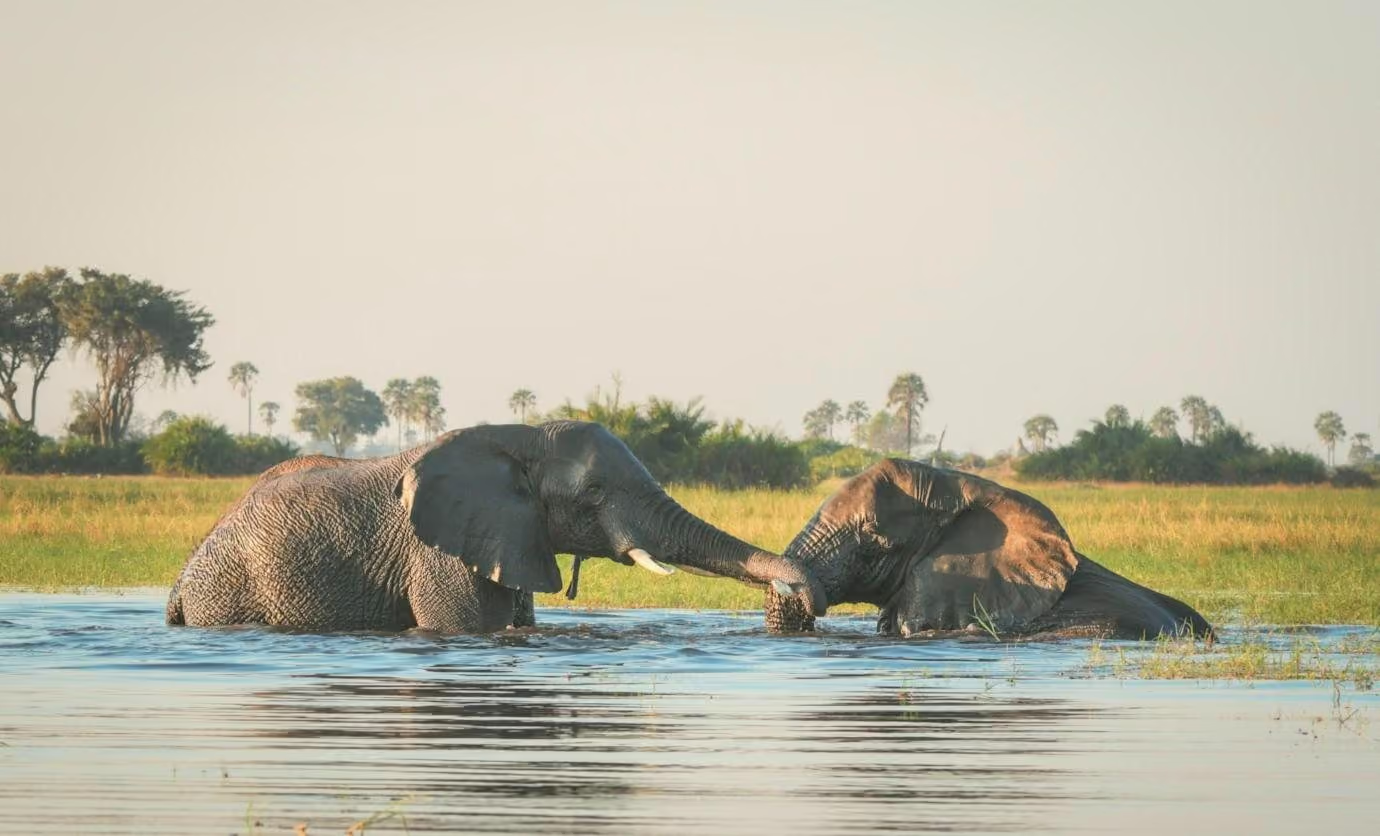 Where to staySafari lodges: the shortlist10 lodges, each one recognised by named judges.
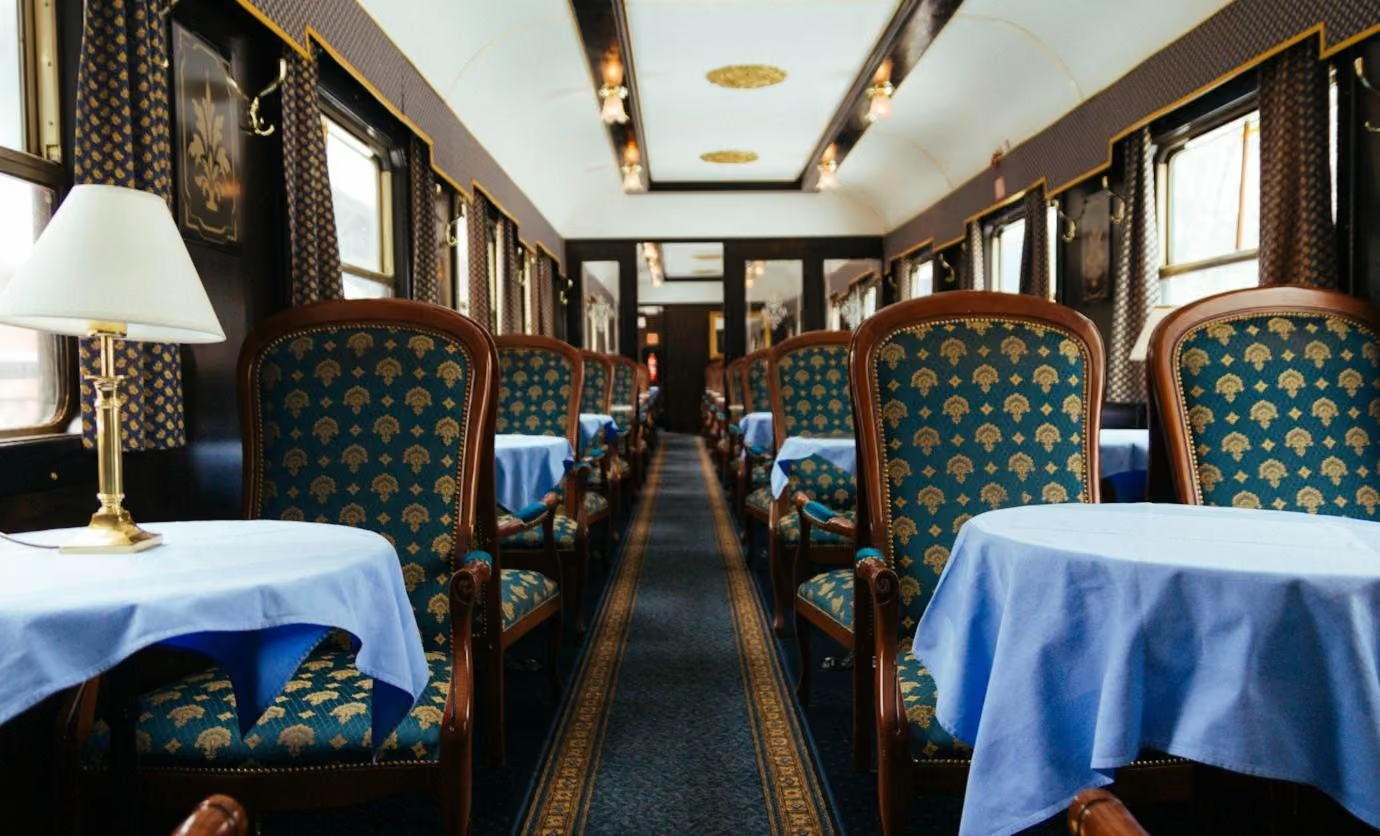 The journey · RailLuxury train journeysFive great trains, from the Orient Express to the Andes.
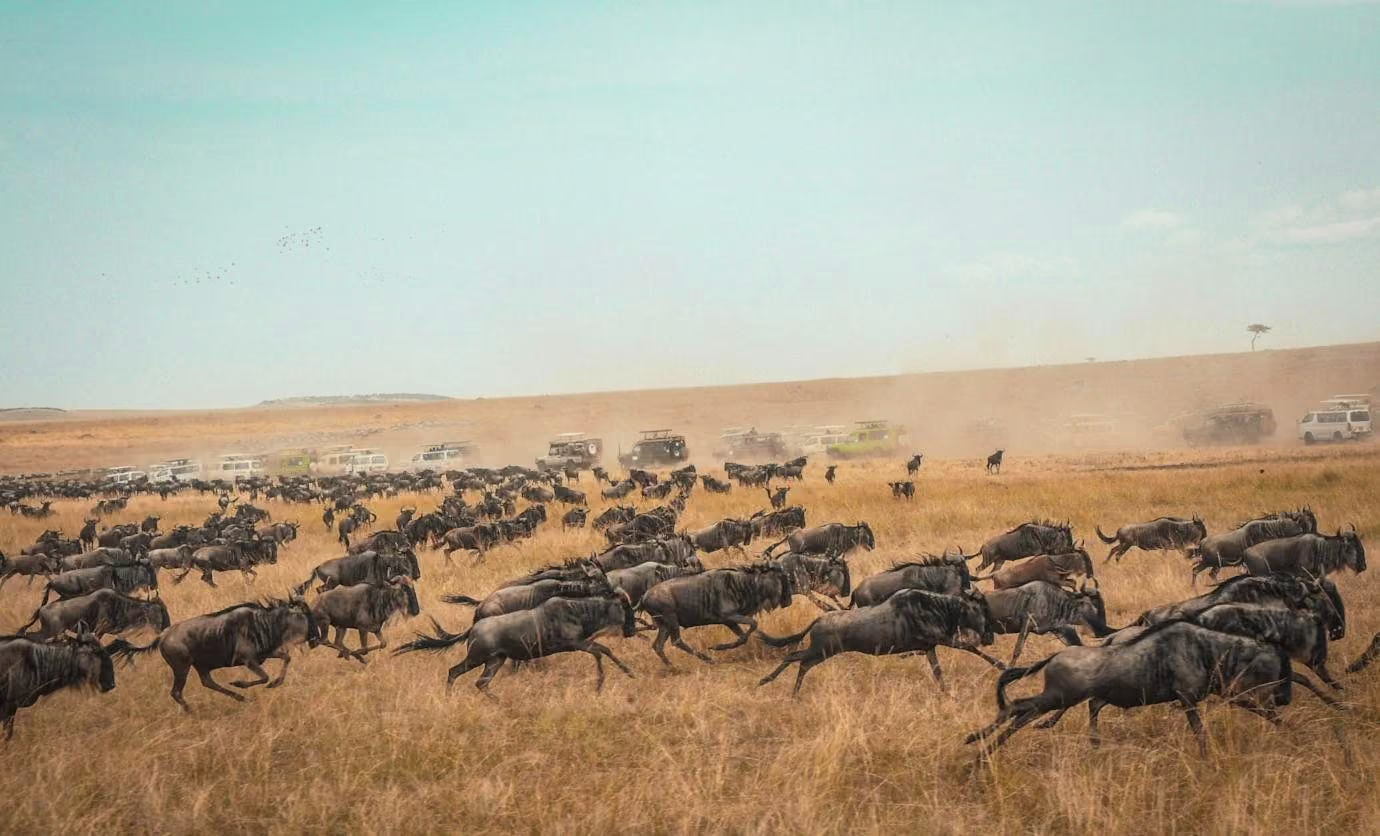 Pair it withThe Great Migration, month by monthAt its best: Jan, Feb, Jul, Aug, Sep, Oct.
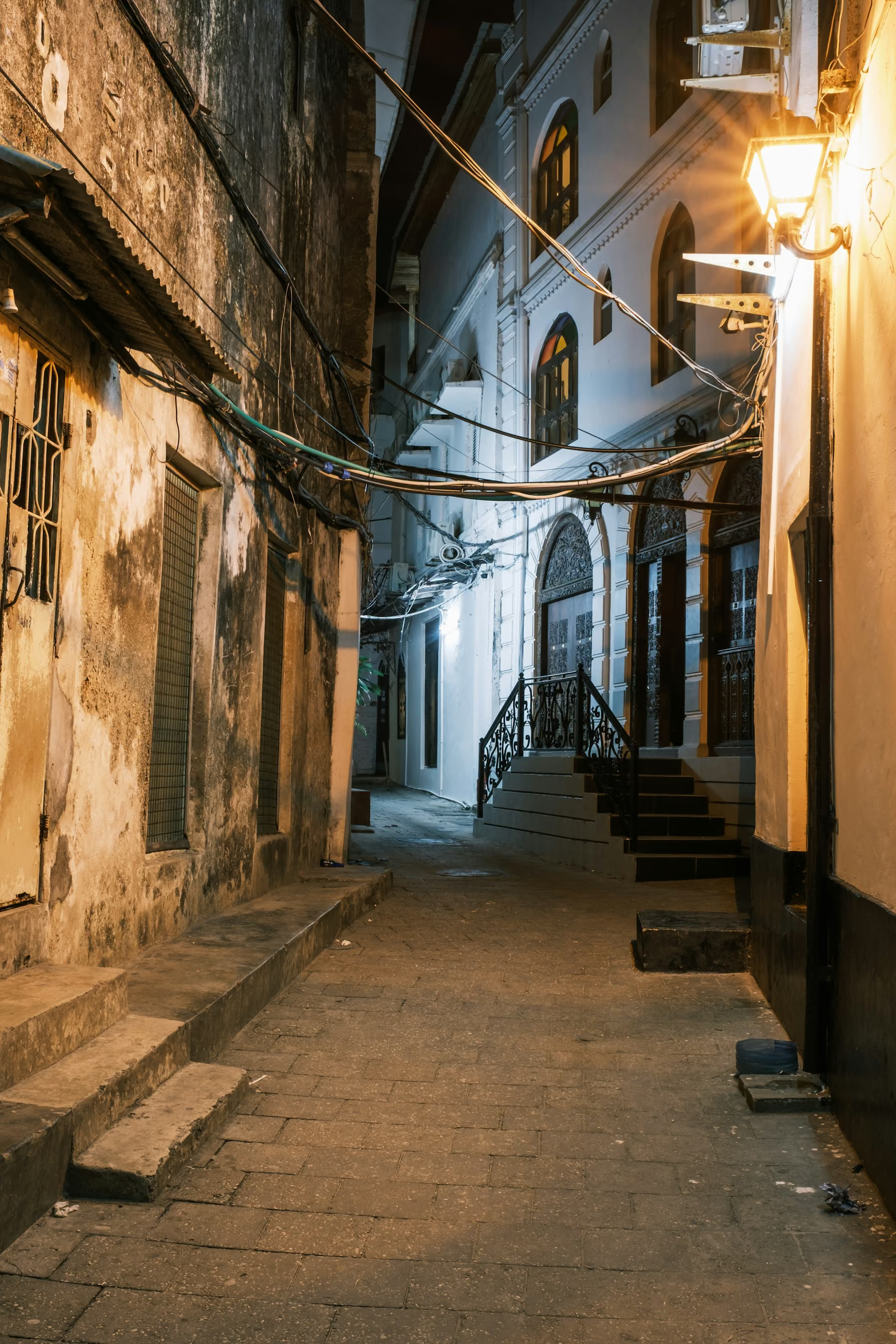 Pair it withZanzibar, month by monthAt its best: Jan, Feb, Jun, Jul, Aug, Sep, Oct.