


Adriatic · When to go
The best time to visit Croatia, month by month
Lavender on Hvar in June, a 25°C sea in August, beech woods turning gold at Plitvice in October: the Adriatic rewards anyone who picks their month with care.
Photo: Unsplash
The short answer
When to go, in one paragraph
The best time to visit Croatia is May, June or September, when Dubrovnik reaches 23 to 27°C, the sea is warm enough to swim and the islands are open without the August crush. July and August are hottest, around 30°C, with the biggest crowds and highest prices. From November to March many coastal hotels and restaurants close and ferries thin out, though Plitvice in October and Dubrovnik out of season both have real appeal.
- For islands and swimmingJune and SepA sea of 23 to 24°C, long days and calmer harbours than high summer.
- For sailingMay and SepGood winds, open marinas and anchorages you might have to yourself.
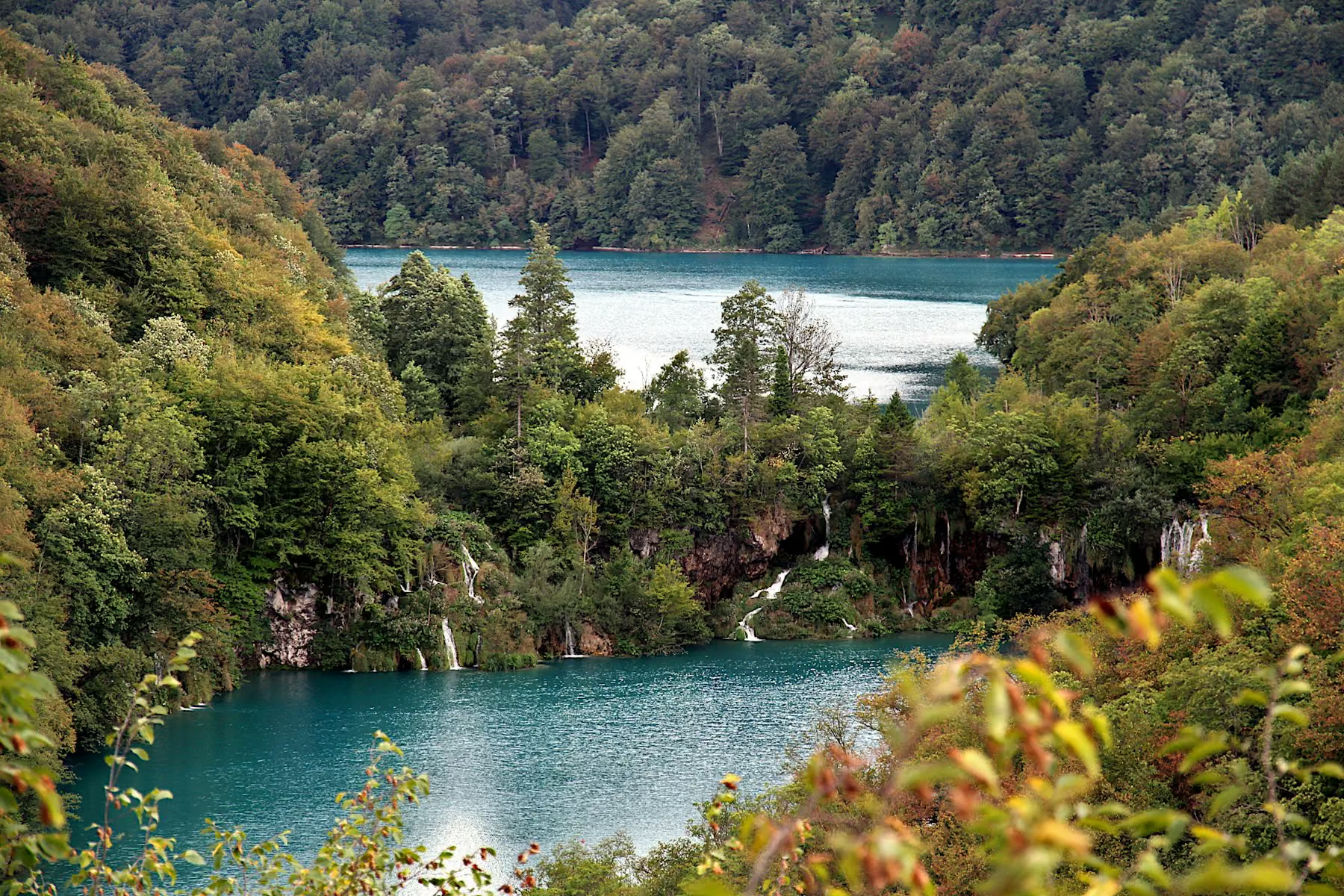
- For PlitviceEarly OctAutumn colour around the 16 lakes, and far smaller crowds on the boardwalks.
Checked on 16 October 2026 against Absolute Croatia: Weather in Dubrovnik, Responsible Travel: The best time to visit Croatia and EU Transition Pathways: 2026 cruise berthing regulations, Dubrovnik Port Authority.
Pick your month
Turn the year
- October
- Warm days around 21°C and a sea near 21°C, but more rain. Some island hotels stay open, and Plitvice turns to autumn colour.
- What's on
- Autumn colour at Plitvice
- Prices
- Shoulder, good value
Shoulder seasonHigh summerWinter
Croatia month by month
- JanuaryWinter · Low, with limited island choiceMild on the coast, with Dubrovnik highs near 12°C, but wet. The bura wind can stop ferries and island hotels are mostly closed, so stick to the cities. Museum Night, usually the last weekend.
- FebruaryWinter · LowQuiet, cool and often rainy, but Dubrovnik has its own reason to visit. The Old Town fills for its patron saint's feast, with processions through the walled city. Feast of St Blaise, Dubrovnik, 3 February.
- MarchWinter · LowSpring starts slowly. Dubrovnik reaches about 14°C and the sea is still near 14°C, but the oyster beds at Ston are at their best. Festival of Oysters in Ston, mid March.
- AprilShoulder season · Shoulder, good valueThe season opens. Coastal catamarans start daily runs between Dubrovnik and Split, sailing charters begin, and highs reach about 18°C. The sea, near 16°C, is still bracing. Sailing season opens; Easter on the coast.
- MayShoulder season · Shoulder, rising late in the monthOne of the best months. Highs around 23°C, a sea of about 19°C by the end of the month, and quiet anchorages for anyone sailing. Moreška sword dance evenings in Korčula.
- JuneShoulder season · High, book months aheadEarly summer at its finest. Highs near 27°C, a 23°C sea and lavender flowering on Hvar, with crowds building but not yet at their peak. Hvar lavender, peaking late June.
- JulyHigh summer · Peak, book many months aheadHot, around 30°C, with 11 hours of sunshine a day and a 25°C sea. Expect full ferries, busy marinas and a crowded Old Town. Dubrovnik Summer Festival from 10 July 2026.
- AugustHigh summer · Peak, the most expensive monthThe busiest month on the coast. Sea and air are at their warmest, prices peak and Dubrovnik's walls are best walked first thing in the morning. Summer Festival closes 25 August 2026.
- SeptemberShoulder season · High, easing late in the monthArguably the best month. Highs ease to about 25°C, the sea is still 24°C and the islands grow calmer. Some ferries become less regular late in the month. Grape harvest; quiet Vis after the season.
- OctoberShoulder season · Shoulder, good valueWarm days around 21°C and a sea near 21°C, but more rain. Some island hotels stay open, and Plitvice turns to autumn colour. Autumn colour at Plitvice.
- NovemberWinter · Low, with limited choiceThe wettest month in Dubrovnik, with about 187mm of rain. Many coastal hotels and restaurants close, and island life slows almost to a stop. Feast of St Martin, 11 November.
- DecemberWinter · Low, busier over ChristmasCool, short days with highs near 13°C. The cities stay open, while most island hotels are closed until spring. Christmas in Dubrovnik and Zagreb.
June to September · Dubrovnik
Timing the walled city
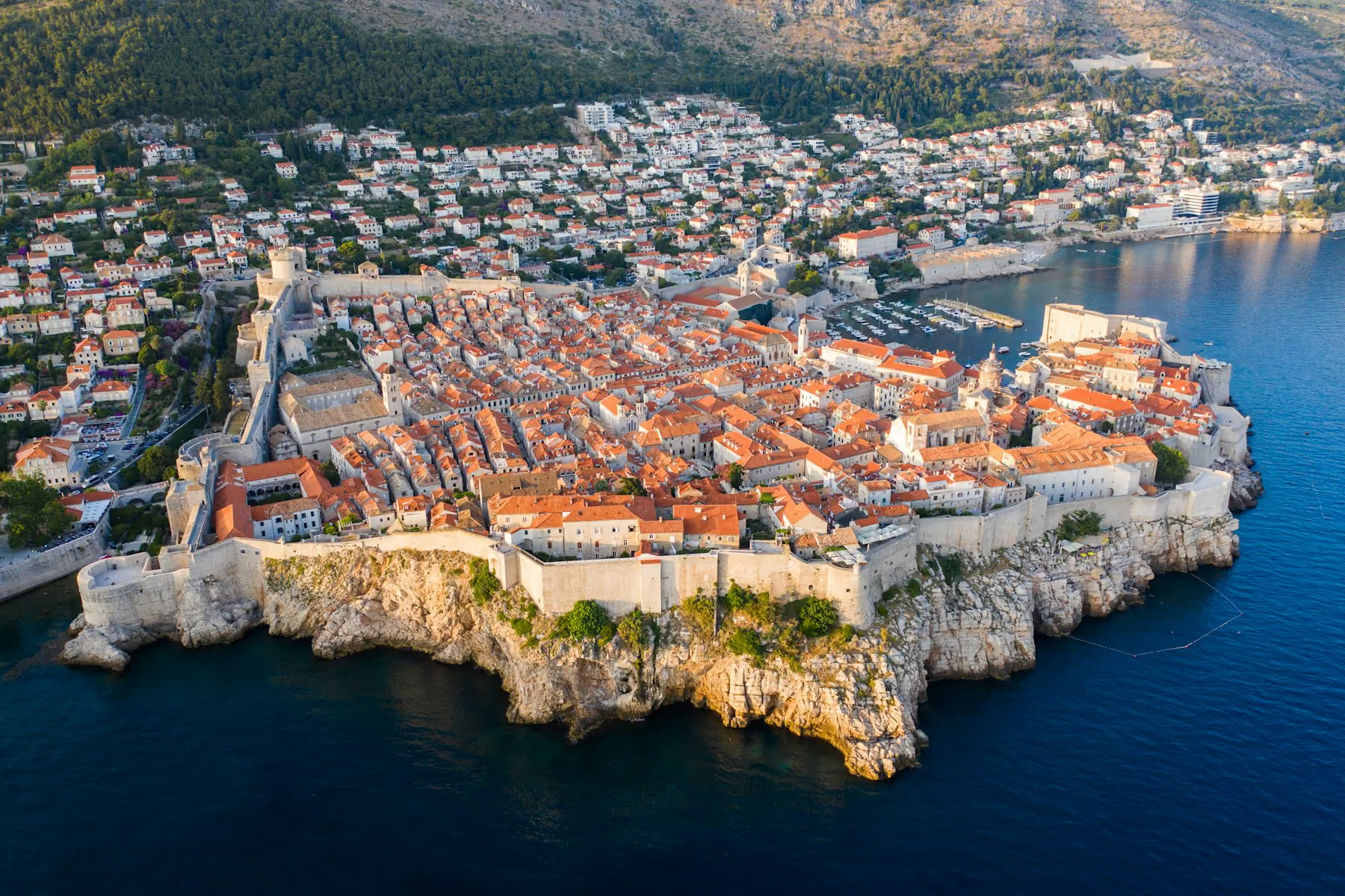
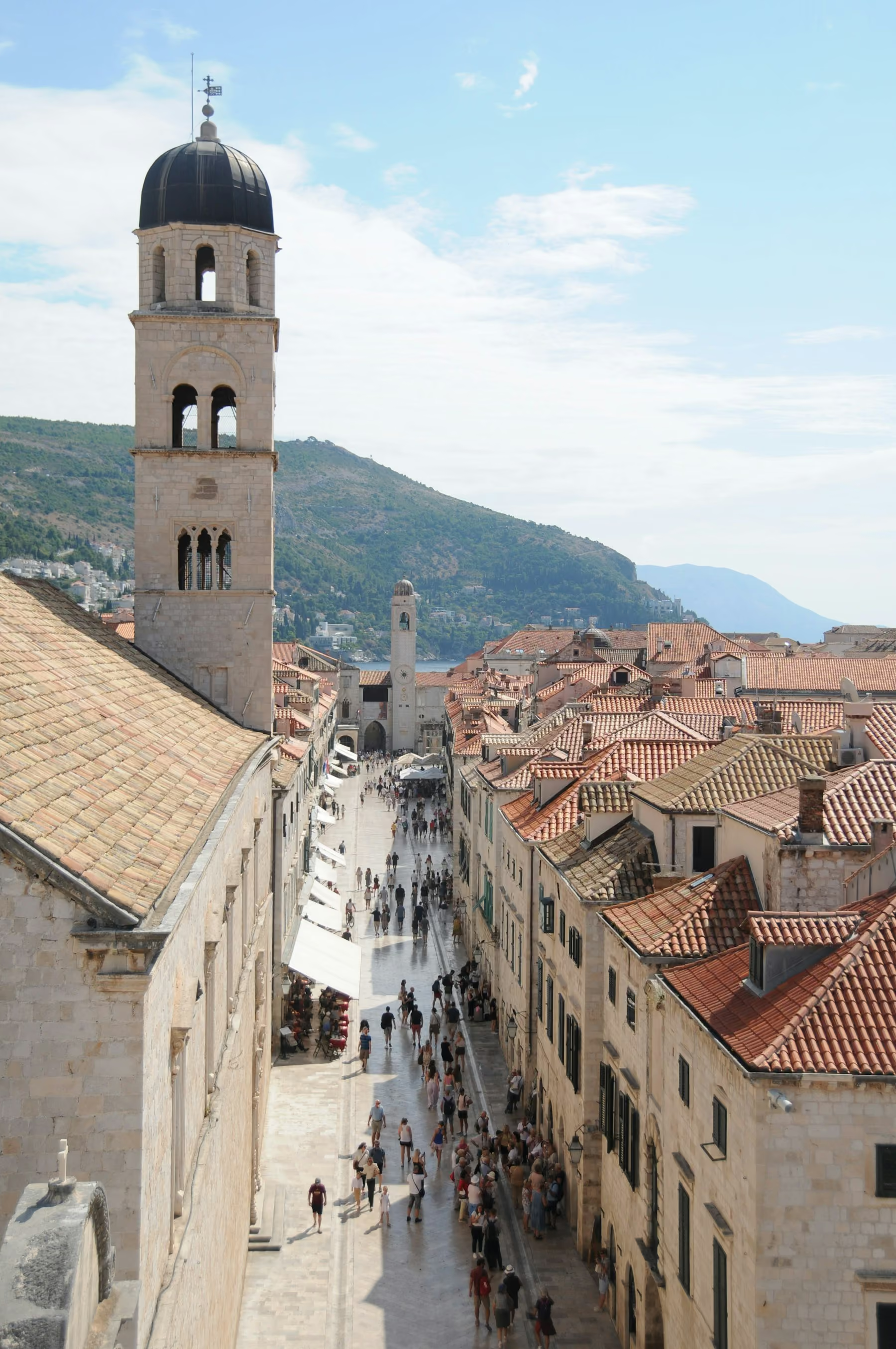
Dubrovnik is the most beautiful city on the coast and, in high summer, the most crowded. Cruise ships still call through the warm months, and the port's 2026 rules limit cruise visitors in the city to 4,000 at any one time. Even so, the Stradun and the city walls fill in the middle of the day. The Dubrovnik Summer Festival, a tradition of more than 70 years, runs from 10 July to 25 August 2026, filling squares and forts with theatre and music. In June and September you get the same light, a warm sea and more breathing room.
Walk the walls when they open in the morning or late in the afternoon, when day visitors have gone back to their ships, and book festival tickets well ahead.
June to July · Hvar
Lavender and the Pakleni view
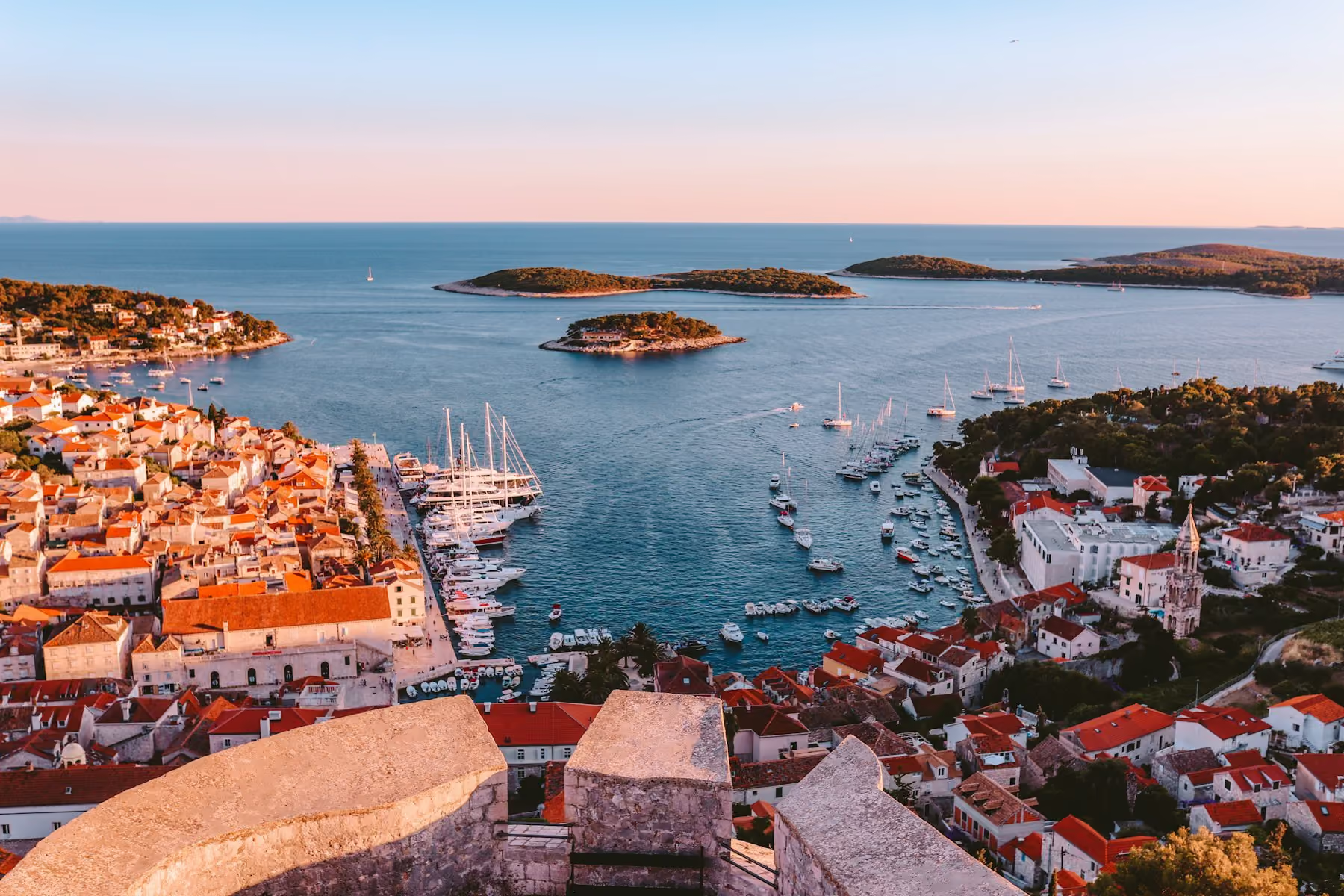
Hvar is the glamorous island, with Hvar Town's harbour full of yachts and the Pakleni islands scattered just offshore. It is also the lavender island. The plants usually start flowering in June and peak from late June to early July, depending on the weather, and the harvest begins in July, when the flowers are distilled into oil. Inland villages such as Velo Grablje celebrate with a summer lavender festival. From Split, the passenger catamaran takes about an hour to Hvar Town, so a long weekend is easy.
Stay up the hill or on the quieter side of the harbour in July and August, when Hvar Town's beach clubs and bars keep going late into the night.
April to October · Korčula
The sailing season
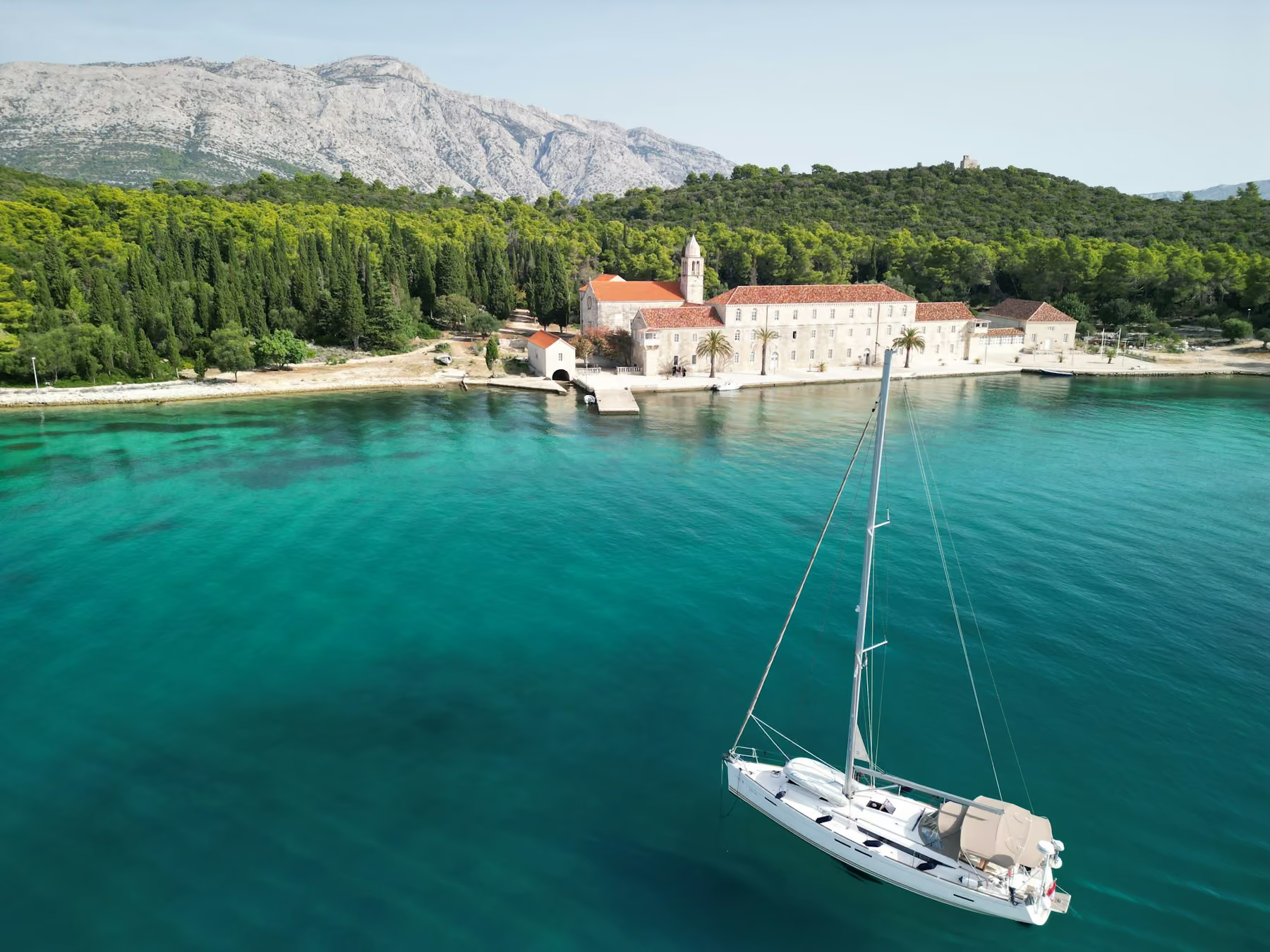
Croatia is one of Europe's great sailing grounds, and the season runs from April to October. April and May are usually the least busy months on the water, while April to May and September to October bring good winds for sailing. A week from Split can take in Hvar, Vis and Korčula, where the Moreška sword dance is traditionally performed on 29 July, St Theodore's Day, and weekly through the summer. A boat also lets you skip the long queues for car ferries in peak season.
Charter a skippered yacht or small cruising boat for a week in June or September. In July and August, book marina berths ahead, as the popular harbours fill early.
September · Vis
The island that was closed
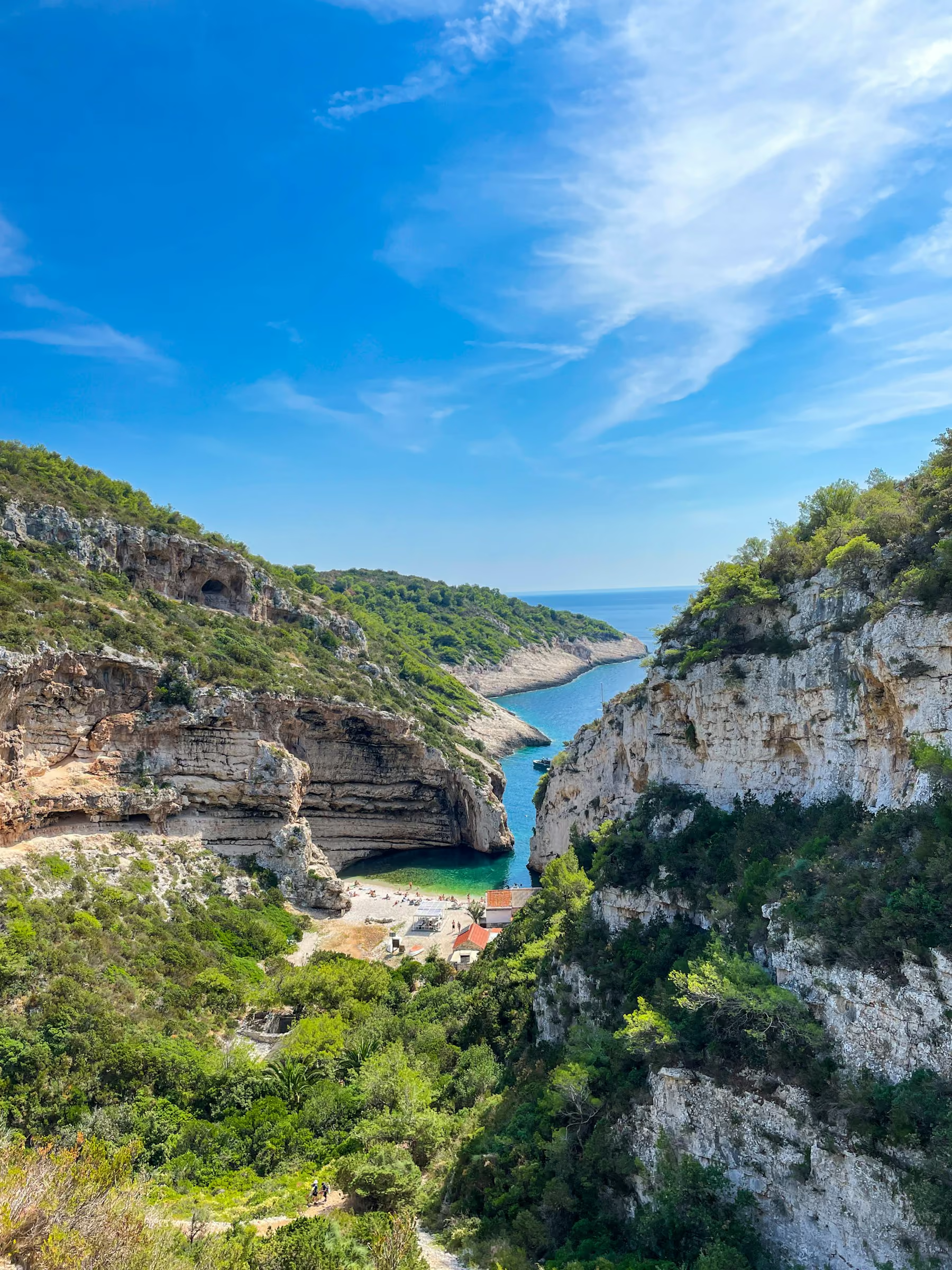
Vis was a military base, off-limits to foreigners, until 1989, and it still feels further away than it is. Tito used it as his base in 1944, and you can visit his cave headquarters on Mount Hum. The fishing town of Komiža has a Venetian fortress, a fishing museum and pebbly beaches, while coves such as Stiniva sit at the foot of steep cliffs. September is the island's sweetest month: the harvest is done, the season is ending and the sea is still around 24°C.
The Kapetan Luka catamaran links Split and Vis daily all year in about 1 hour 10 minutes. The car ferry takes about 2 hours 20 minutes.
October · Plitvice Lakes
Autumn at the 16 lakes
Plitvice Lakes National Park, a UNESCO World Heritage Site since 26 October 1979, is a chain of 16 lakes linked by waterfalls and wooden boardwalks. In July and August the crowds are extreme, with long queues for the entrances, boats and viewpoints. Autumn brings the park's finest colours, and early to mid October usually balances foliage with mild weather. Late spring, from May to early June, is the other good window. The park runs a promotional autumn week around the anniversary of its listing, with reduced tickets.
Buy tickets online and choose your entrance and time slot in advance. Arrive at opening to have the boardwalks almost to yourself.
- 2h 50m
- London Gatwick to Dubrovnik, non-stop
- 25°C
- Sea temperature off Dubrovnik in July and August
- 16
- Lakes at Plitvice, a UNESCO site since 1979
- 2023
- The year Croatia adopted the euro
Planning the trip
Where to go, how long, and how to get there
Croatia is under three hours from London, and the coast is built for combining a city with an island or two. Pick your month first: from June to September everything runs, while from November to March the islands largely close and ferries thin out. Then choose between a base, a hop by catamaran, or a week on a boat.
- Long weekendDubrovnik out of seasonThree nights in or near the Old Town in May, June or September. Walk the walls early, swim off the rocks below the city, and take a day trip by boat to the Elaphiti islands. Avoid the middle of the day when cruise visitors are ashore.
- One weekSplit, Hvar and VisFly into Split, spend two nights there, then take the catamaran to Hvar Town and on to Vis. June and September are ideal, with warm water and calm harbours. In July and August, book ferries and hotels early.
- Ten daysDown the coast by seaStart in Split and finish in Dubrovnik, stopping on Hvar, Korčula and Mljet. Coastal catamarans run this route daily from April to October, or charter a skippered yacht to set your own pace. May and September give the best mix of weather and space.
- AutumnPlitvice and ZagrebIn October, combine two nights near Plitvice with Zagreb, where the cafés stay busy all year. The lakes are at their most colourful and the crowds have gone. Pack layers and waterproofs, as rain increases through the autumn.
Getting there
British Airways flies non-stop from Heathrow to Split in about 2 hours 25 minutes to 2 hours 55 minutes, and Croatia Airlines also flies the route. To Dubrovnik, British Airways, easyJet and TUI fly from Gatwick in about 2 hours 50 minutes. Many UK routes are summer only, so check winter schedules before you plan.
Getting around
Catamarans link Split with Hvar Town in about an hour and with Vis in about 1 hour 10 minutes. Coastal services connect Dubrovnik, Mljet, Korčula, Hvar and Split daily from April to October. Ferries become less regular on some islands from late September, and in winter the bura wind can stop sailings altogether, so build a spare day into any island trip.
Money and booking
Croatia has used the euro since 1 January 2023, when it also joined the Schengen area. The best hotels in Dubrovnik and on Hvar fill months ahead for July and August. Shoulder months bring better value and easier restaurant bookings, while many island hotels and restaurants close from November until the spring, so check opening dates before you plan a winter trip.
Questions people ask
The best time to visit Croatia, answered
What is the best time to visit Croatia for swimming?
June to September. The sea off Dubrovnik is about 23°C in June, 25°C in July and August and still 24°C in September. Croatians start swimming earlier, and the water is usually warm enough by the end of May, but most visitors will find April and May bracing.
When are the crowds worst in Dubrovnik?
July and August, when summer holidays, cruise ships and the Dubrovnik Summer Festival coincide. In 2026 the port limits cruise visitors to 4,000 in the city at any one time, but the Old Town still gets busy in the middle of the day. Go early or late, or visit in May, June or September.
When is the sailing season in Croatia?
From April to October. April and May are usually the least busy months on the water, and April to May and September to October bring good sailing winds. July and August are the warmest and busiest months, when marinas fill early and berths need booking ahead.
When is the best time to visit Plitvice Lakes?
Early to mid October for autumn colour, or May to early June for fresh green woods and full waterfalls. July and August bring extreme crowds and long queues. Buy tickets online and choose your entrance and time slot in advance, whichever season you go.
Does Croatia use the euro?
Yes. Croatia adopted the euro on 1 January 2023, replacing the kuna, and joined the Schengen area on the same day. Cards are widely accepted in cities and on the main islands, but carry some euros for smaller island cafés, markets and boat trips.
How long is the flight from London to Croatia?
About two and a half to three hours. Non-stop flights from Heathrow to Split take about 2 hours 25 minutes to 2 hours 55 minutes, and Gatwick to Dubrovnik about 2 hours 50 minutes. Many UK routes run mainly in summer, so check schedules for winter trips.
Keep exploring
- Where to stayCroatia: the shortlist12 hotels, each one recognised by named judges.
 Pair it withThe Amalfi Coast, month by monthAt its best: Apr, May, Jun, Sep, Oct.
 Where to stayThe Amalfi Coast: the shortlist14 hotels, each one recognised by named judges.
 Pair it withPortugal, month by monthAt its best: Apr, May, Jun, Sep, Oct.