Nordic · When to go
The best time to visit Iceland, month by month
Two countries share one island: a summer of near-endless light and puffin cliffs, and a winter of blue ice caves and green skies. Choose which one you came for.
Photo: Unsplash
The short answer
When to go, in one paragraph
The best time to visit Iceland is June to August for the midnight sun, puffins and the open highlands, or late September to March for the northern lights and, from mid-November, Vatnajökull's ice caves. September is the clever compromise: the F-roads are often still passable, nights are dark enough for aurora, and the summer crowds have gone. Book a winter trip around clear skies and a dark moon rather than a calendar date.
- For the northern lightsSep to MarLong, dark nights; you need clear skies and distance from town lights.
- For puffins and highlandsJun to AugPuffin colonies are busy and the F-roads to Landmannalaugar open.
- For ice cavesMid-Nov to mid-MarGuided only, weather permitting, on the Vatnajökull glacier.
Checked on 16 October 2026 against Visit Vatnajökull: When is the ice-cave season?, Iceland Tours: Daylight hours in Iceland and Stuck in Iceland: All you need to chase the Northern Lights in Iceland.
Pick your month
Turn the year
- October
- Daylight falls from about eleven to eight hours and most highland roads close by early in the month. Aurora chances improve week by week.
- What's on
- Northern lights, quiet Ring Road
- Prices
- Low to shoulder
Summer lightShoulderAurora winter
Iceland month by month
- JanuaryAurora winter · Shoulder, quieter after New YearDeep winter and prime aurora time, with only four and a half to seven hours of daylight. Ice caves are open and the countryside is quiet. Northern lights, ice caves, snowy Golden Circle.
- FebruaryAurora winter · Shoulder, book ice caves earlyDays lengthen quickly, from about seven to ten hours, yet nights stay long and dark. A strong month for combining aurora hunting with sightseeing. Aurora, ice caves, longer days.
- MarchAurora winter · ShoulderEquinox month: daylight climbs past thirteen hours, the aurora is still visible, and the ice cave season winds down by mid-month. Last ice caves, equinox aurora, whale trips resume in calmer seas.
- AprilShoulder · Low to shoulder, good valueA month of change. The first puffins arrive, humpbacks appear off Húsavík, and the aurora fades as nights shorten towards mid-month. First puffins, Húsavík whale season opens.
- MayShoulder · Shoulder, a smart pickBright, fresh and uncrowded, with up to twenty hours of daylight by the end of the month. Highland roads are still closed. Puffin colonies settle, waterfalls in full melt.
- JuneSummer light · High, book months aheadThe midnight sun month: around 21 hours of direct sunlight in Reykjavík and a sky that never truly darkens. Some F-roads begin to open late in the month. Midnight sun, puffins, summer solstice.
- JulySummer light · Peak, book months aheadThe warmest, busiest month and the most reliable for the highlands, with most F-roads open and Landmannalaugar at its best. Highlands, Laugavegur trail, puffins, whales.
- AugustSummer light · Peak, book months aheadStill high summer, but darkness returns late in the month and the first aurora becomes possible. Puffins begin heading out to sea. Highlands, blue whales, first aurora nights.
- SeptemberShoulder · Shoulder, easing from peakOur favourite all-rounder. Nights are dark enough for the aurora, many F-roads remain open into the month, and the crowds thin. Aurora season begins, autumn colour, humpbacks.
- OctoberShoulder · Low to shoulderDaylight falls from about eleven to eight hours and most highland roads close by early in the month. Aurora chances improve week by week. Northern lights, quiet Ring Road.
- NovemberAurora winter · Low, until the festive weeksFive to eight hours of daylight and long aurora nights. The ice cave season opens in mid-November, weather permitting, and the countryside is quiet. Ice caves open, northern lights.
- DecemberAurora winter · High over Christmas and New YearThe darkest month, with roughly four and a half hours of daylight at the solstice. Atmospheric and festive, with the longest aurora nights of the year. Christmas in Reykjavík, aurora, ice caves.
September to March · Snæfellsnes
Waiting for the sky to move
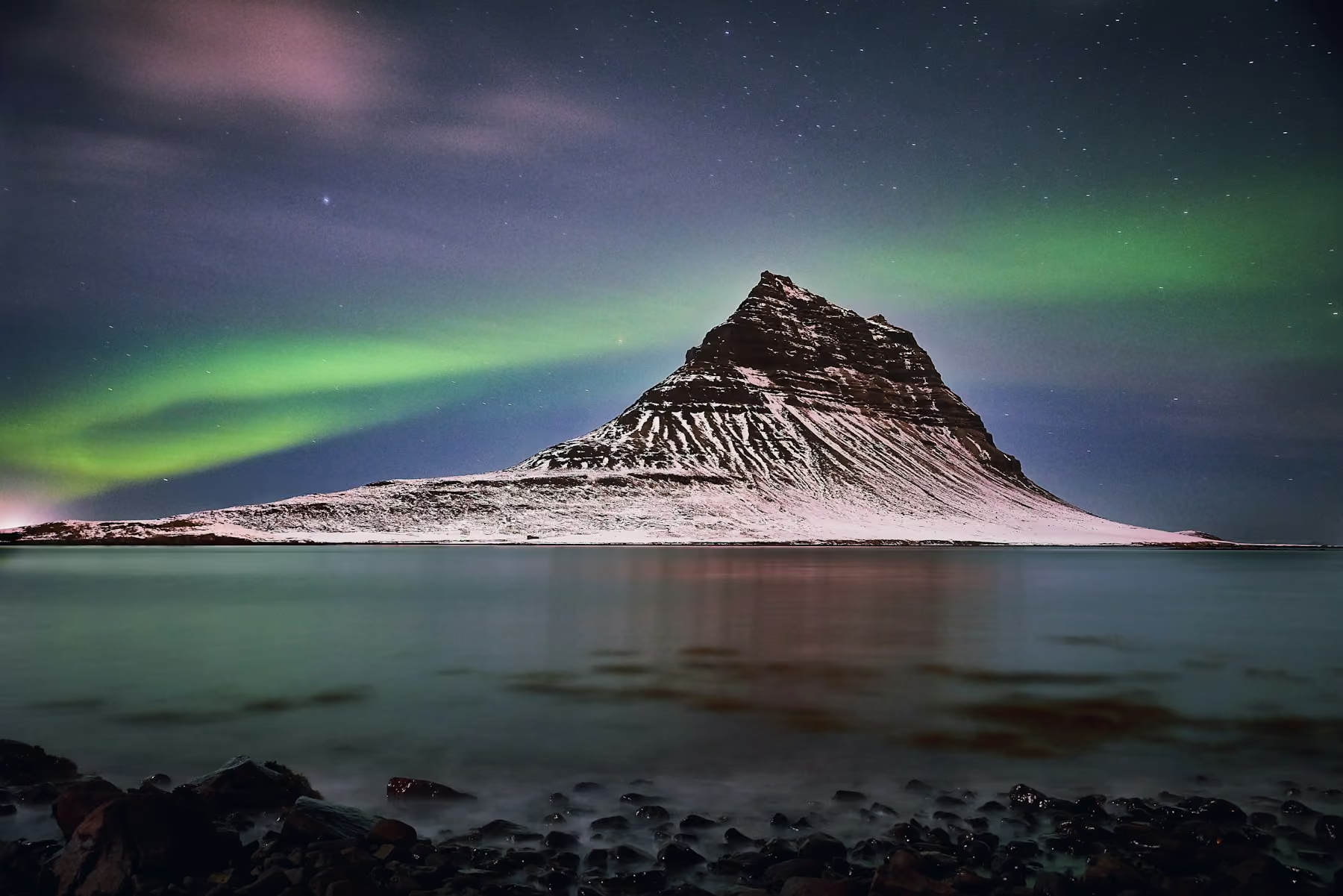
Aurora season runs from late August to mid-April, when the nights are finally dark enough. Most displays fall between about 9pm and 1am, and cloud matters more than anything else, so the trick is flexibility: stay somewhere rural, with a host who will knock on your door, and keep two or three nights free. A modest display on a clear, dark night beats a strong forecast under cloud. Around Kirkjufell on the Snæfellsnes peninsula, the pyramid peak and its still water make the classic frame.
Check the Icelandic Met Office aurora page in the early evening. A Kp of 2 or 3 on a clear night can be enough; at 5 or more, the lights show even over Reykjavík.
Mid-November to mid-March · Vatnajökull
Inside the blue
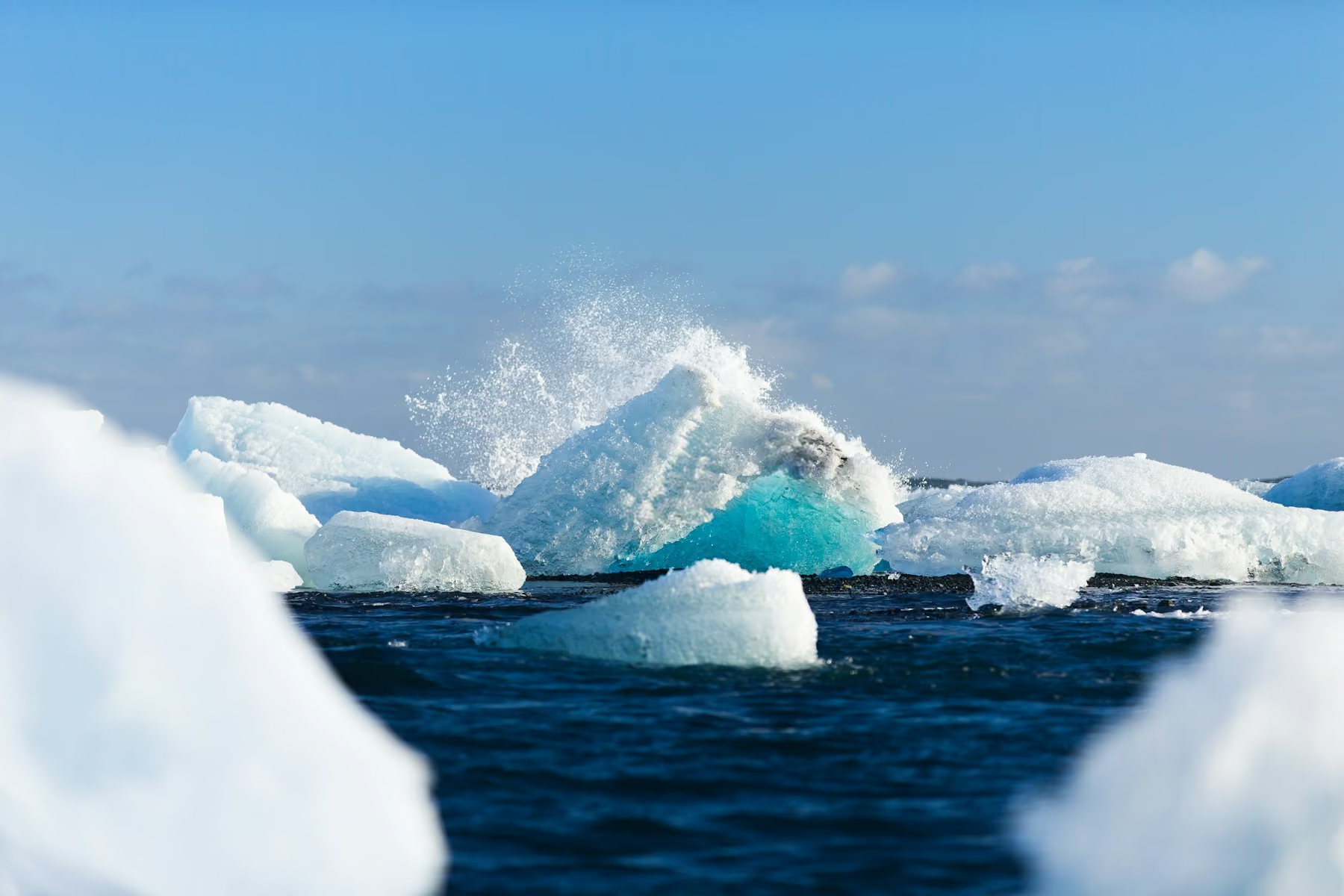
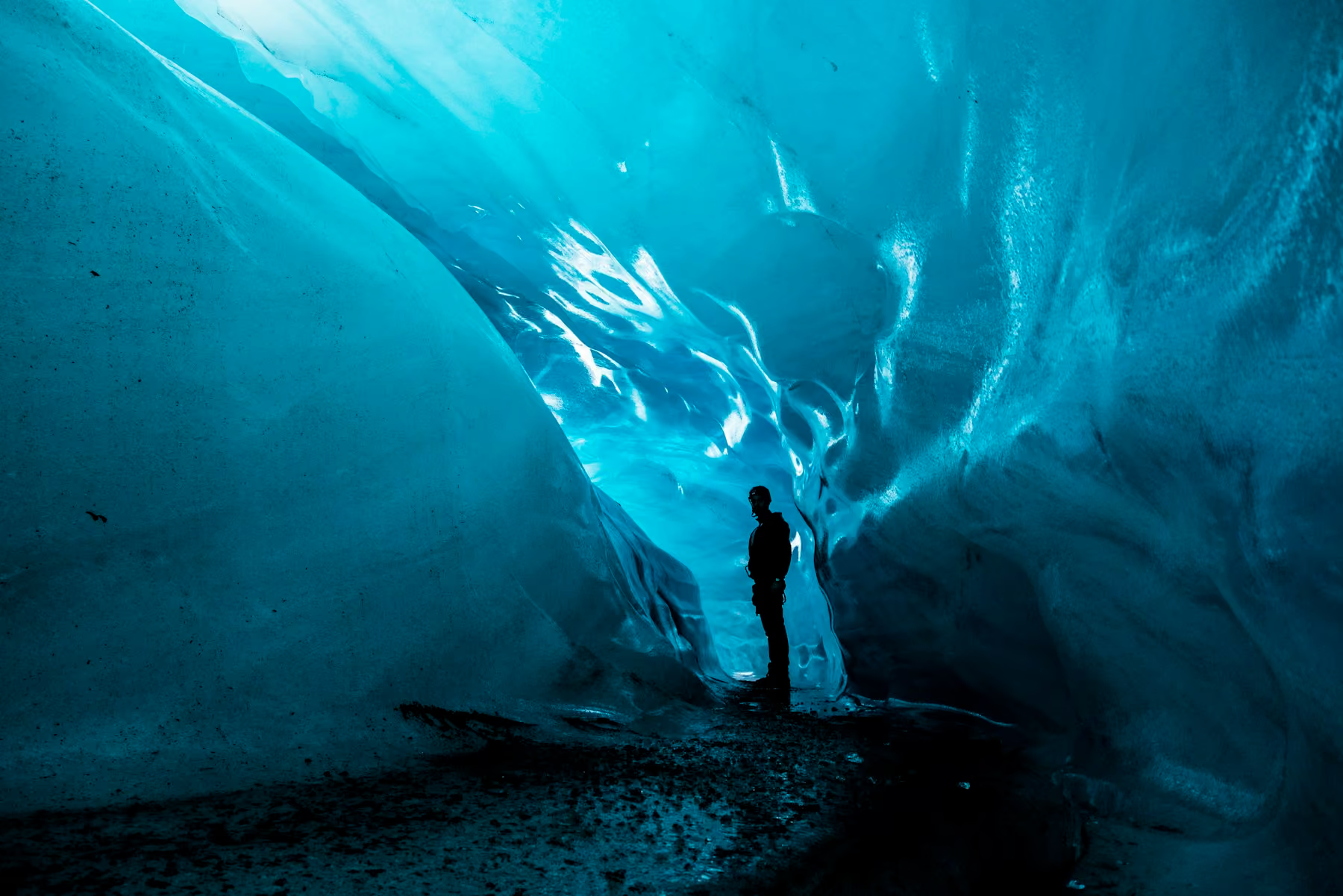
Each winter, meltwater channels inside Vatnajökull freeze into tunnels of glassy, compressed ice, and local guides find which ones are safe that season. The caves change from year to year, so no two winters look quite the same. Tours start near the glacier lagoons of the south-east and run only in the cold months, when the ice is stable. It is a long drive from Reykjavík, so plan two or three nights along the south coast rather than a day trip.
The ice cave season runs from mid-November to mid-March and every tour is weather dependent. Only ever enter with a licensed glacier guide.
June · The Ring Road
The road that never gets dark
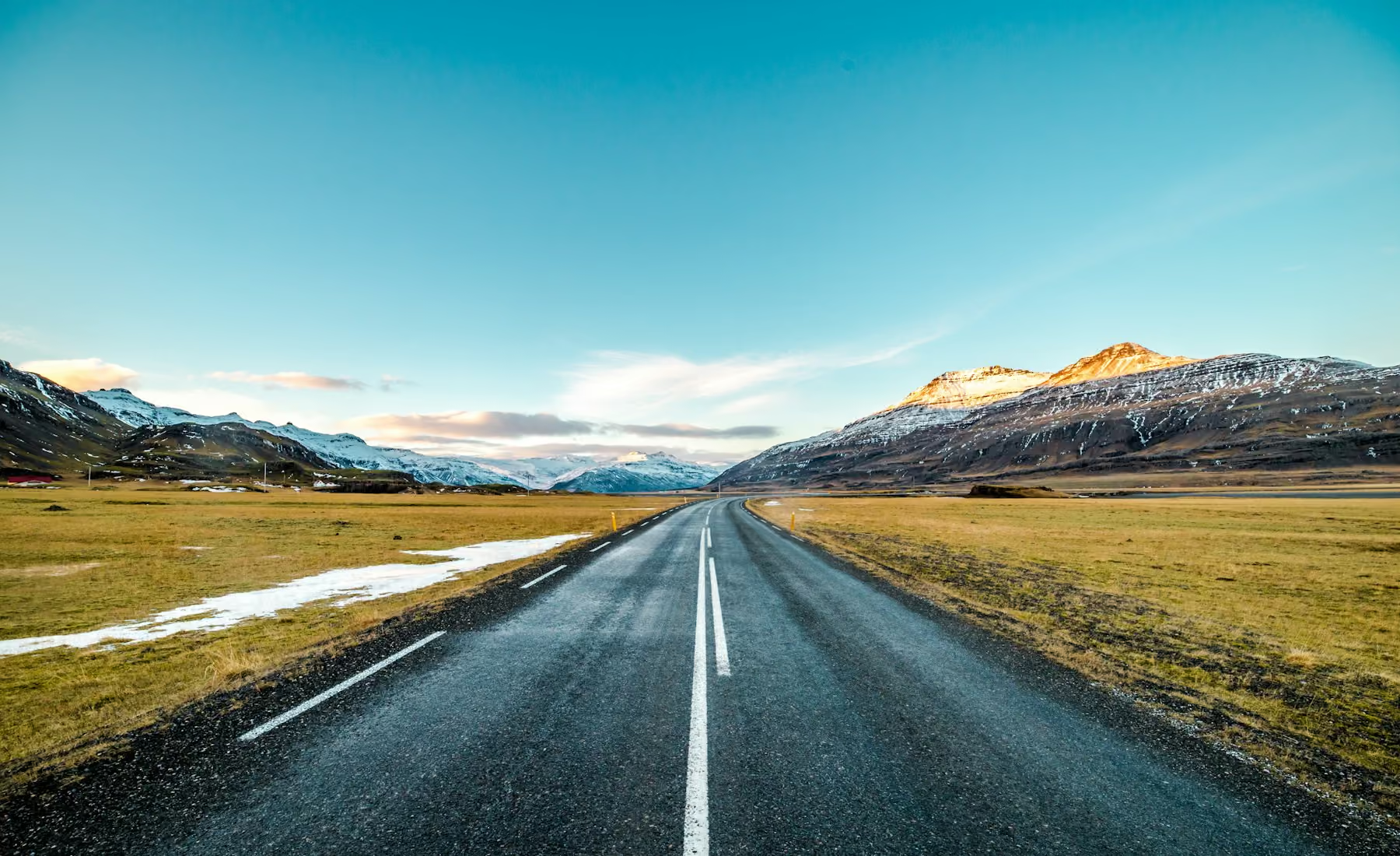
In late June the sun sets in Reykjavík close to midnight and rises again around 3am, and twilight fills the gap. That changes how you travel: you can drive to a waterfall at 10pm and have it to yourself, or take a long dinner and still walk out into gold light. The Ring Road is fully open, the farms are green and the evenings are long enough to slow down. Pack an eye mask, since few hotel rooms are truly dark.
June brings around 21 hours of direct sunlight in Reykjavík. Plan your driving for the evenings, when the main sights are quietest.
May to August · Westman Islands
The clifftop season
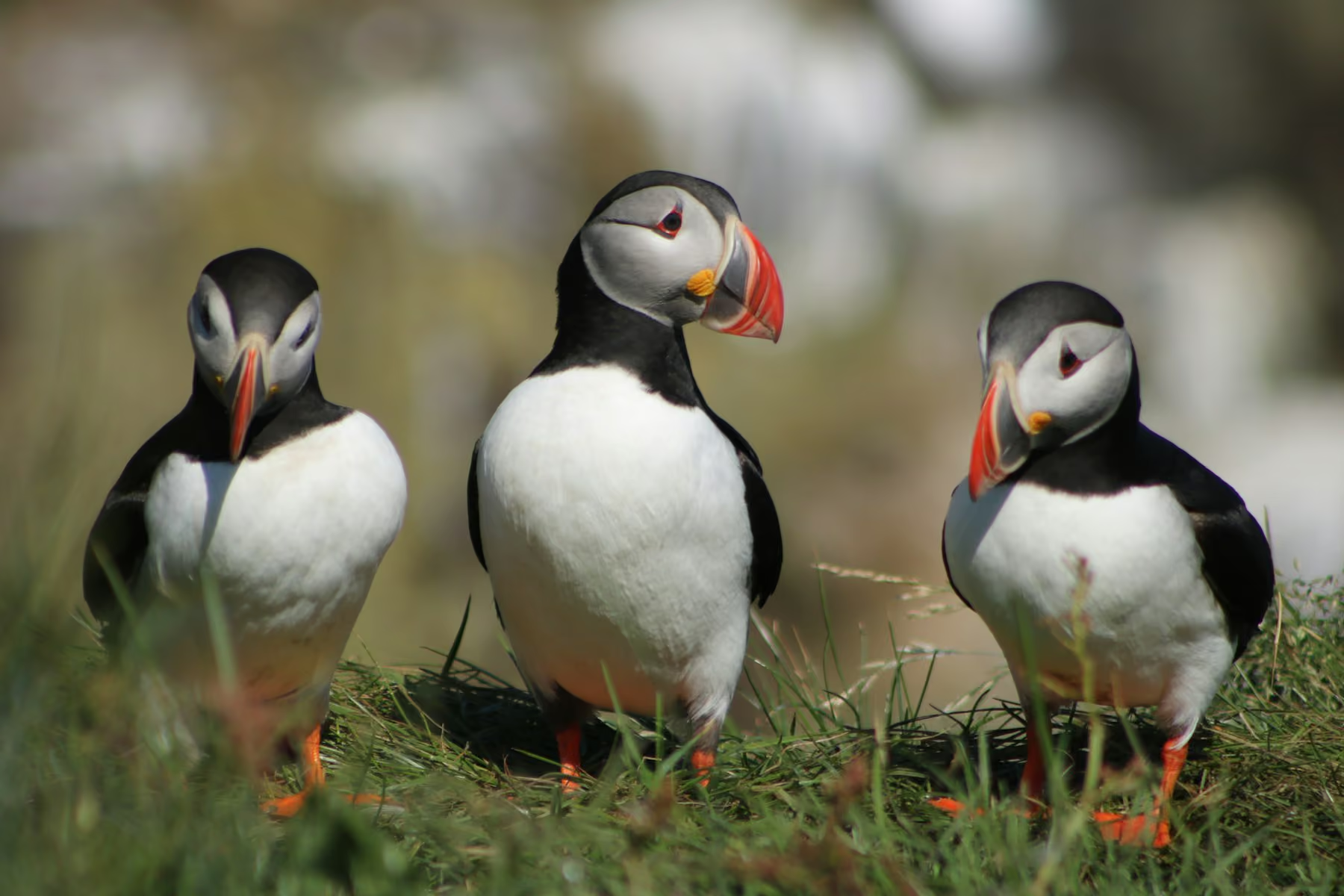
Puffins return to Iceland from April, and by May the colonies are busy, with birds landing on clifftop burrows close to the paths. The Westman Islands off the south coast hold the largest Atlantic puffin colony in the world, and Heimaey's cliff walks bring you within easy sight of the nests. Látrabjarg in the Westfjords, Borgarfjörður Eystri in the east and boat trips from Reykjavík's Old Harbour are fine alternatives. By late August the birds start heading back out to sea.
Go between May and early August for the surest sightings. Grímsey's puffins tend to leave earlier, often by mid-August.
July to early September · Landmannalaugar
Into the coloured mountains
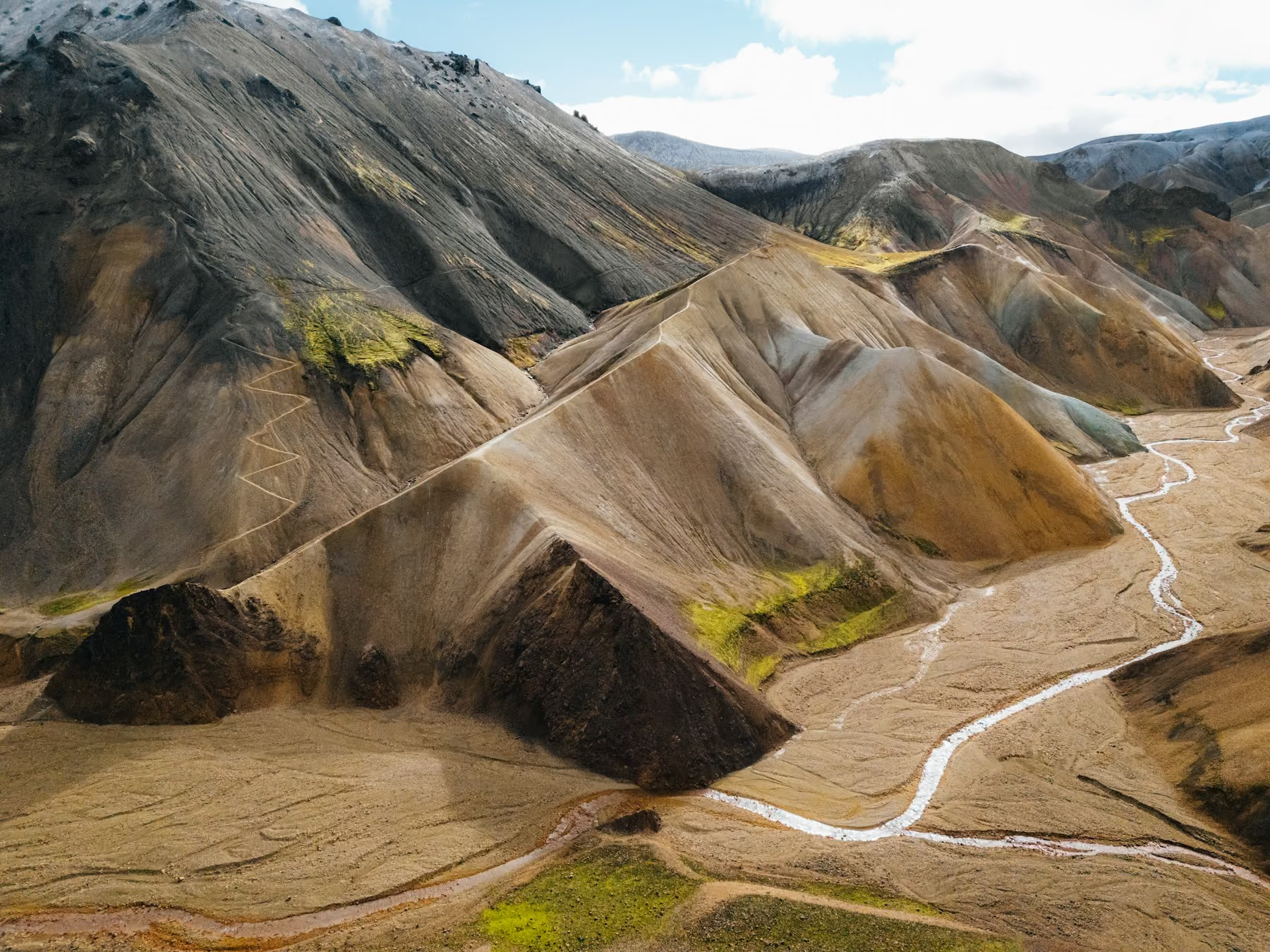
The interior opens for only a short window each year. The F-roads usually open between mid-June and early July, depending on snowmelt, and most close again by early October. Landmannalaugar is the prize: rhyolite hills streaked with rust, green moss and grey ash, natural hot springs, and the start of the Laugavegur trail. Come in July or August for the most reliable access. A super-jeep with a driver is the most comfortable way in, and spares you the river crossings.
F-roads legally require a 4x4, and two-wheel-drive cars are banned from them. Check road.is before setting off, as opening dates change each year.
- 3h 15m
- London Heathrow to Keflavík, non-stop
- 21h
- Direct sunlight in Reykjavík in late June
- 4.5h
- Daylight in Reykjavík at the winter solstice
- 97.6%
- Húsavík whale tours with sightings in 2023
Planning the trip
Where to go, how long, and how to get there
Iceland is close enough for a long weekend, but its best experiences sit far from Reykjavík. Decide on the season first, then the region: the south coast for ice and waterfalls, the north for whales, the interior for summer hiking. Five to seven nights lets you settle into one or two bases rather than living in the car.
- Winter · 5 nightsAurora and iceTwo nights near Reykjavík or the Golden Circle, then three on the south coast near the glacier lagoons for an ice cave tour. A rural hotel whose staff will wake you for a display makes the long nights count.
- Summer · 7 nightsMidnight sun and highlandsStart with the south coast and the Westman Islands for puffins, then a super-jeep day into Landmannalaugar. The long evenings give you two sightseeing windows a day, and both are noticeably quieter than the coach-tour rush at midday.
- Spring or autumn · 5 nightsThe north and its whalesFly or drive to Akureyri and base yourself near Húsavík, where humpbacks are seen from early April. In September, add aurora watching from the dark countryside around Lake Mývatn, where the nights are long and the skies are free of city light.
- Long weekend · 3 nightsReykjavík and the Golden CircleWith flights of a little over three hours, a short break works well. Pair the city with the Golden Circle and a Snæfellsnes day, and add a harbour boat trip for whales or, in summer, puffins.
Getting there
British Airways and Icelandair fly non-stop from Heathrow to Keflavík, with flight times of roughly three hours five minutes to three hours twenty. Keflavík sits on the Reykjanes peninsula, a drive from Reykjavík, so a private transfer is worth arranging for a late arrival in winter, when roads can be icy and dark.
Getting around
The Ring Road is paved and straightforward in summer. In winter, daylight is short and conditions change fast, so a private driver or guided tours are the calmer choice. The highland F-roads are for 4x4s only and open for a brief summer window; check road.is or call 1777 before any trip inland.
When to book
June to August is peak season for good reason, so reserve the best countryside hotels and super-jeep days months ahead. Ice cave tours are small-group and weather dependent, so book early and leave a spare day. September and October are the easiest months for availability while still offering dark skies and good aurora odds.
Questions people ask
The best time to visit Iceland, answered
What is the best time to visit Iceland?
It depends on what you want to see. June to August brings the midnight sun, puffins and open highland roads. September to March is northern lights season, with ice caves from mid-November to mid-March. September is the best compromise, with dark aurora nights, many F-roads still open and fewer visitors.
When can you see the northern lights in Iceland?
From late August to mid-April, when nights are dark enough. Between May and July it never gets properly dark, so the aurora cannot be seen. You need clear skies and somewhere away from street lights, and most displays happen between about 9pm and 1am. Check the Icelandic Met Office aurora forecast each evening.
When is puffin season in Iceland?
The first puffins arrive in April and the colonies are busiest from May to early August. By late August they start returning to sea, and most have gone by mid-September. The Westman Islands, home to the world's largest Atlantic puffin colony, are the best place to see them.
When are the ice caves open in Iceland?
The natural ice caves in Vatnajökull are open from mid-November to mid-March, when the glacier ice is cold and stable. Each cave forms afresh, so the routes change every winter. Every tour is weather dependent and must be led by a licensed guide; never enter an ice cave alone.
When do the highland F-roads open?
Usually between mid-June and early July, depending on snowmelt and how quickly the ground thaws, and most close again by early October. Opening dates vary each year, so check road.is before travelling. You will need a 4x4, as two-wheel-drive cars are banned from F-roads.
How long is the flight from London to Iceland?
Non-stop flights from Heathrow to Keflavík take about three hours fifteen minutes, with British Airways and Icelandair both flying the route. That short hop makes Iceland realistic for a long weekend as well as a longer trip, and it leaves more of a short winter break free for aurora nights.