

Islands · When to go
The best time to visit the Maldives, month by month
When the sea is glass, when the mantas come, and when the price halves. Then a dive from the seaplane to the seabed.
The short answer
When to go, in one paragraph
The best time to visit the Maldives is December to April, the dry north-east monsoon: calm seas, clear water and the most sunshine, at the highest prices. May to November brings warm showers, emptier resorts and far better rates, plus the manta season in Baa Atoll.
- For sunshineDec to AprDry, calm, clearest water. Book early for Christmas.
- For mantasJun to NovHanifaru Bay's season in Baa Atoll, peaking late July to early October.
- For valueJun, Jul, SepLow season rates, with sunny breaks between showers.
Seasons and sea temperatures checked on 15 October 2026: Maldives weather by month, Resortlife. Planning a longer trip? Pair the islands with one day in Rome on the way home, or see the Great Migration for a beach-and-bush honeymoon.
Pick your month
Turn the year
Gold is the dry season, blue is the monsoon, teal is the turn between them. Tap a month.
- February
- The surest weather of the year: glass-calm lagoons and the best visibility under water.
- Under water
- Whale sharks in South Ari.
- Prices
- Peak: book months ahead
Dry seasonThe turnMonsoon
The Maldives month by month
- JanuaryDry seasonDry season at its best: calm seas, clear skies and the highest prices after Christmas. Whale sharks in South Ari; turtles on every house reef.
- FebruaryDry seasonThe surest weather of the year: glass-calm lagoons and the best visibility under water. Whale sharks in South Ari.
- MarchDry seasonHot, dry and clear. Reef visibility stays superb and the sea warms towards its peak. Whale sharks; turtles everywhere.
- AprilDry seasonThe last dry month and the hottest, with the warmest sea of the year. Good value returns after Easter. Whale sharks; calm surface swims.
- MayThe turnThe monsoon turns: usually the wettest month, with warm, dramatic showers and lower prices. Mantas begin to gather in Baa Atoll.
- JuneMonsoonLow season. Squalls pass through, but most days still see long sunny spells. Hanifaru Bay's manta season begins.
- JulyMonsoonWindy spells and bright breaks, and resorts at their quietest before the school holidays. Mantas feeding in Baa Atoll; the peak starts late in the month.
- AugustMonsoonSummer holidays fill the resorts again, and the sea is livelier on the exposed sides. Peak manta feeding at Hanifaru Bay.
- SeptemberMonsoonQuieter again, with some of the best deals of the year between the showers. Peak manta feeding continues into early October.
- OctoberThe turnThe transition month: calmer seas and clearing skies, and still good value. The last of the manta peak; whale sharks year round.
- NovemberThe turnThe dry season edges in. A smart shoulder month before the Christmas rush. Mantas thinning in Baa; whale sharks in South Ari.
- DecemberDry seasonThe dry season returns. Christmas and New Year are the most expensive weeks of the year. Whale sharks in South Ari.
The descent · In the air
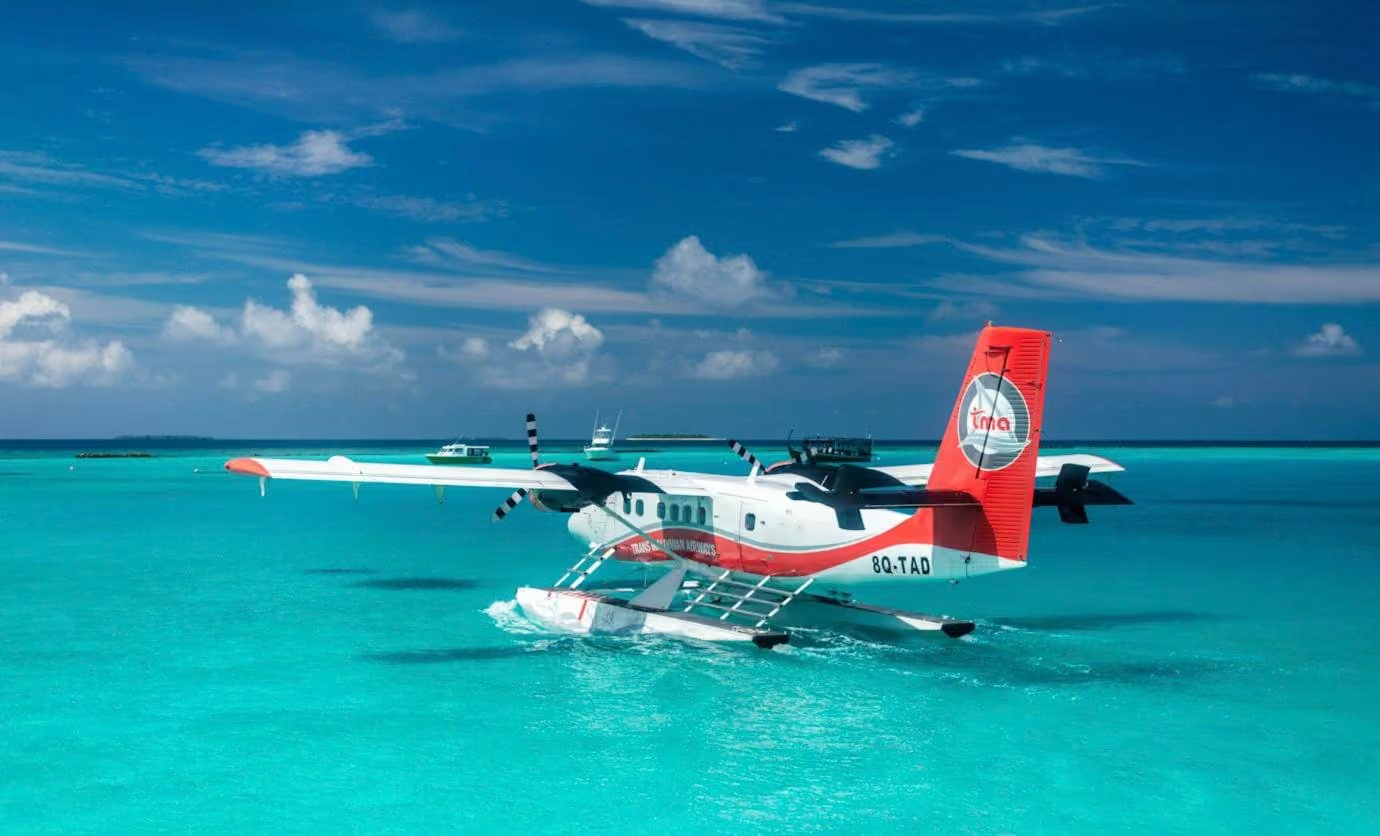
The last flight is the best one
It is about ten hours direct from London to Malé, then a seaplane low over the atolls: the reefs look like ink spilt on glass. Seaplanes fly in daylight only, so land in the evening and you will spend your first night near the airport.
Ask your resort for the seaplane window before you book flights. The Maldives is five hours ahead of London in winter, four in summer.
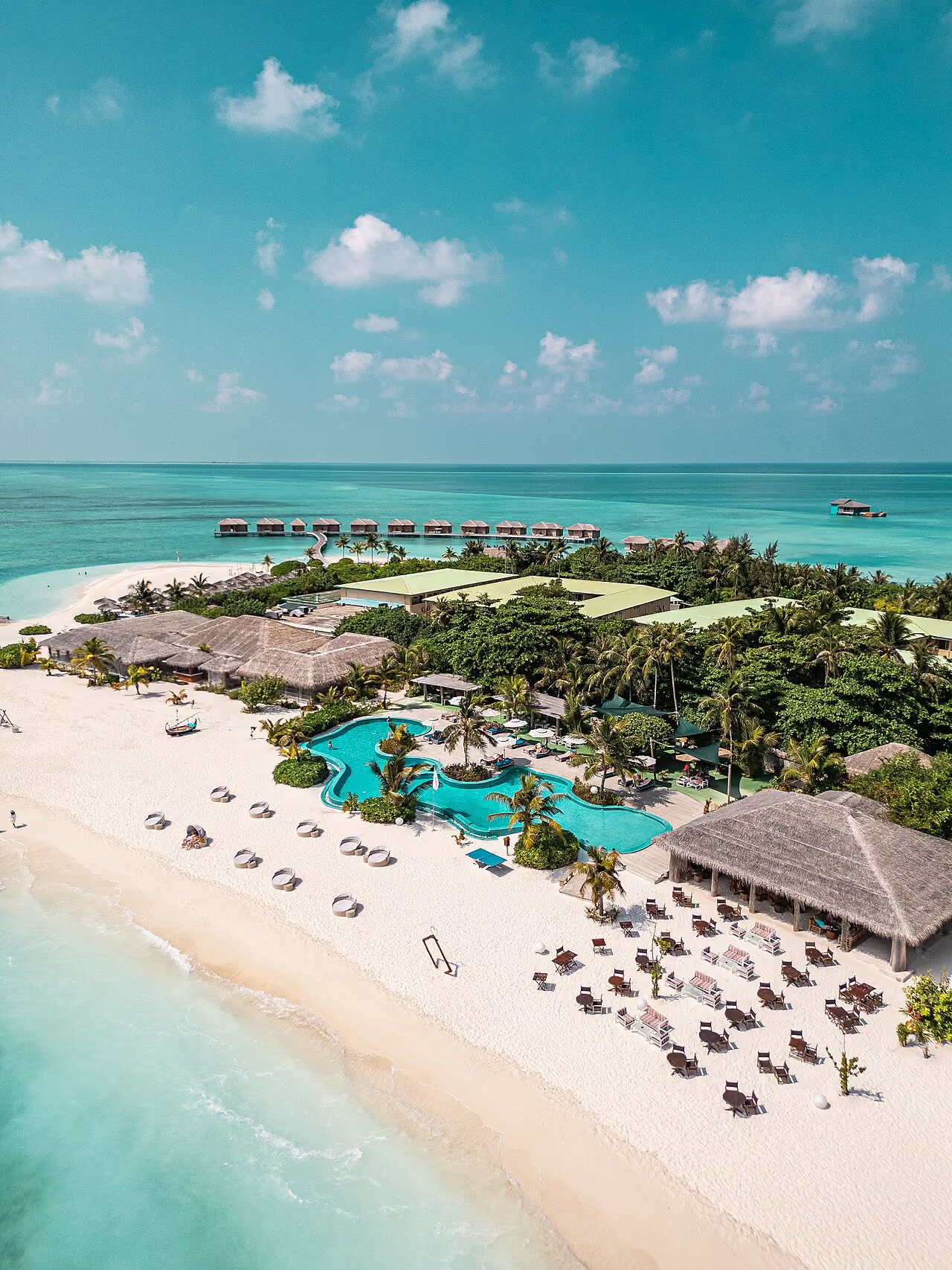
The lagoon
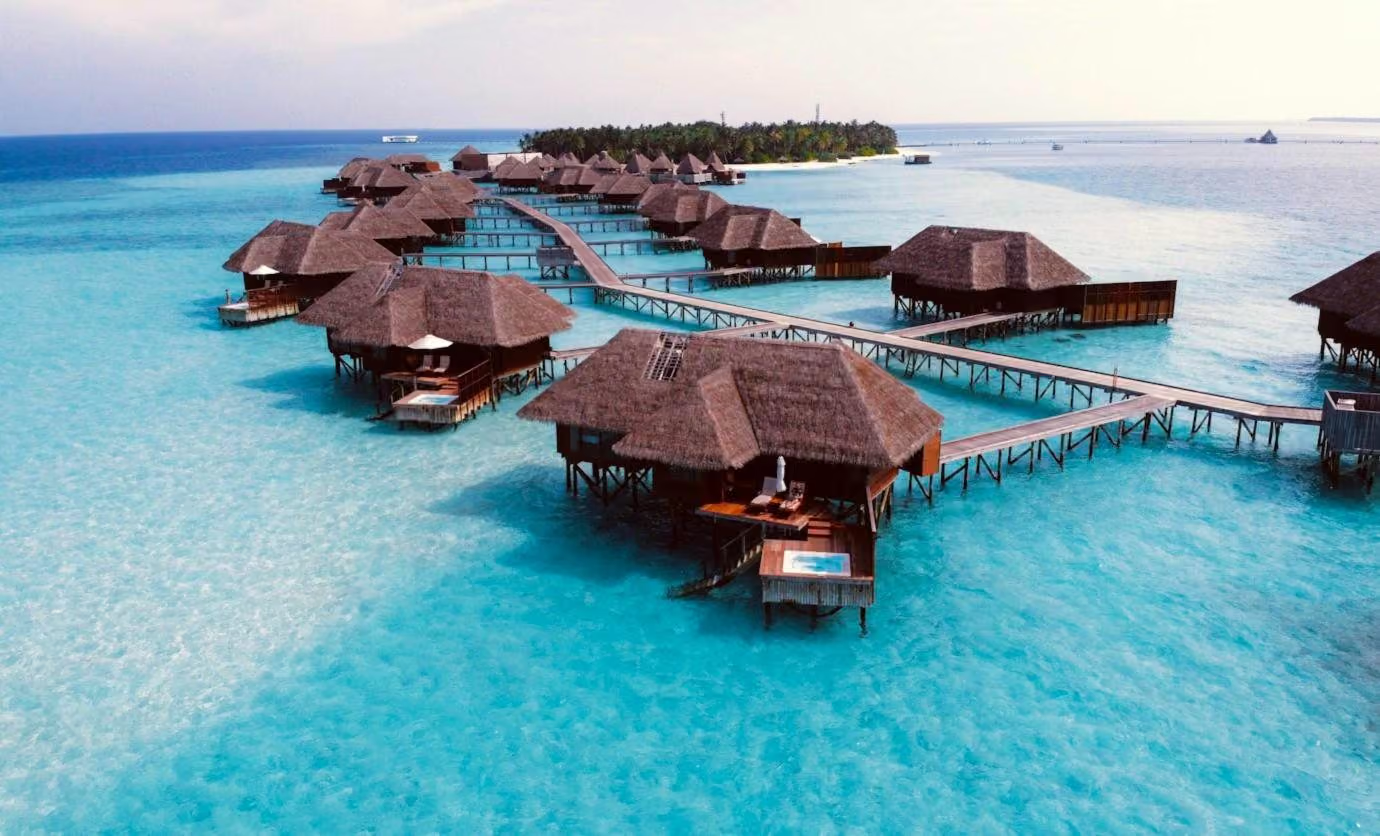
Overwater or on the sand?
Ask which side faces the sunset: the price difference is often small.
The house reef
Snorkel from your deck
A good house reef is the difference between a beach holiday and a Maldives holiday: turtles, reef sharks and parrotfish within a few fins of the shore. The sea stays around 27 to 30°C all year, warmest in April.
Ask how far the reef drop-off is from the beach. Under 50 metres is the dream.
- Green turtlesgrazing the seagrass
- Blacktip reef sharksharmless, in the shallows
- Parrotfishyou will hear them crunch coral
- Eagle raysflying over the sand
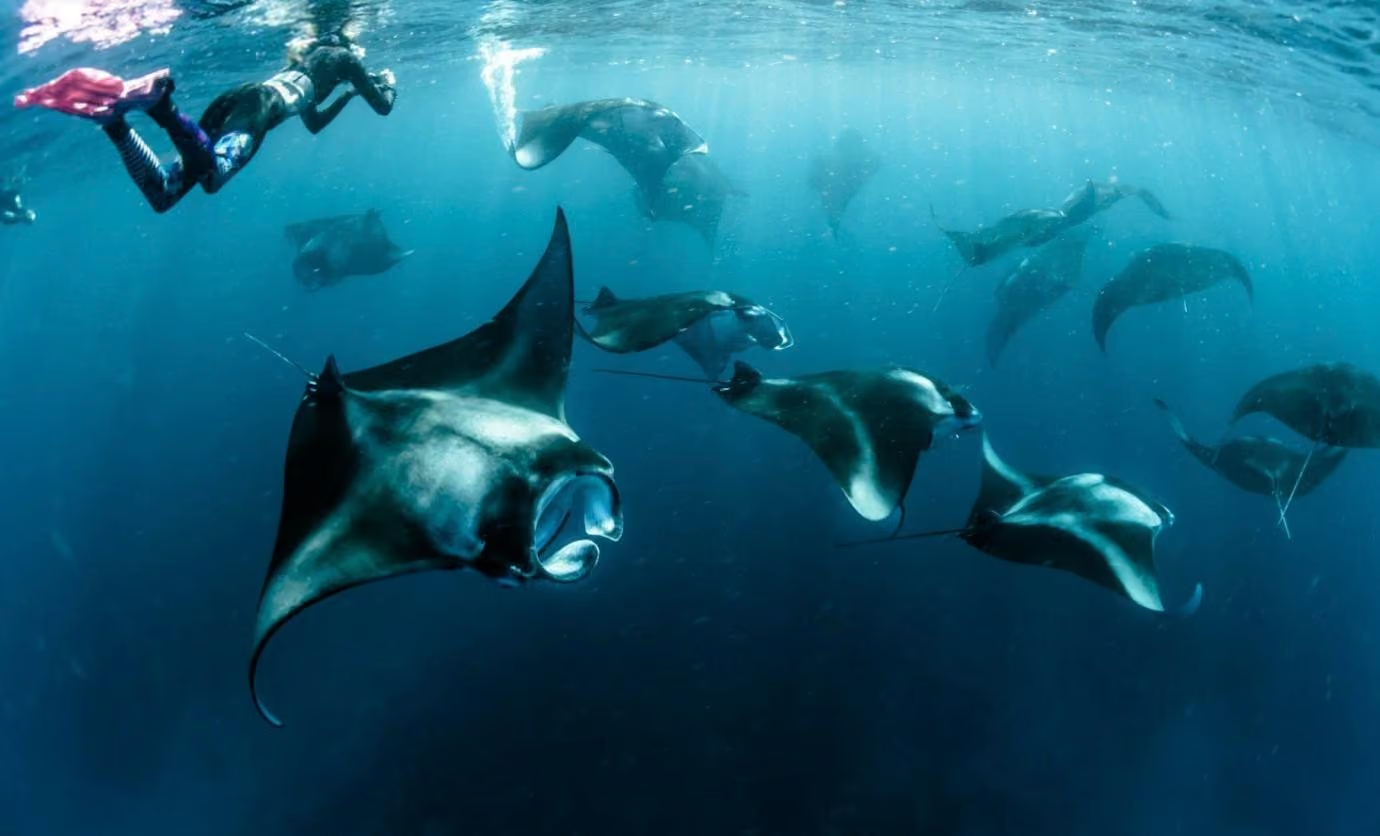
Mantas · Baa Atoll
Hanifaru Bay, June to November
In the monsoon months, plankton floods into a small bay in Baa Atoll, a UNESCO Biosphere Reserve, and the mantas follow, sometimes more than a hundred at once. The biggest gatherings come from late July to early October.
Snorkelling only, with a certified guide; diving is banned. A US$30 token buys 45 minutes in the water. Stay in Baa Atoll and your resort will run you out when the mantas arrive.
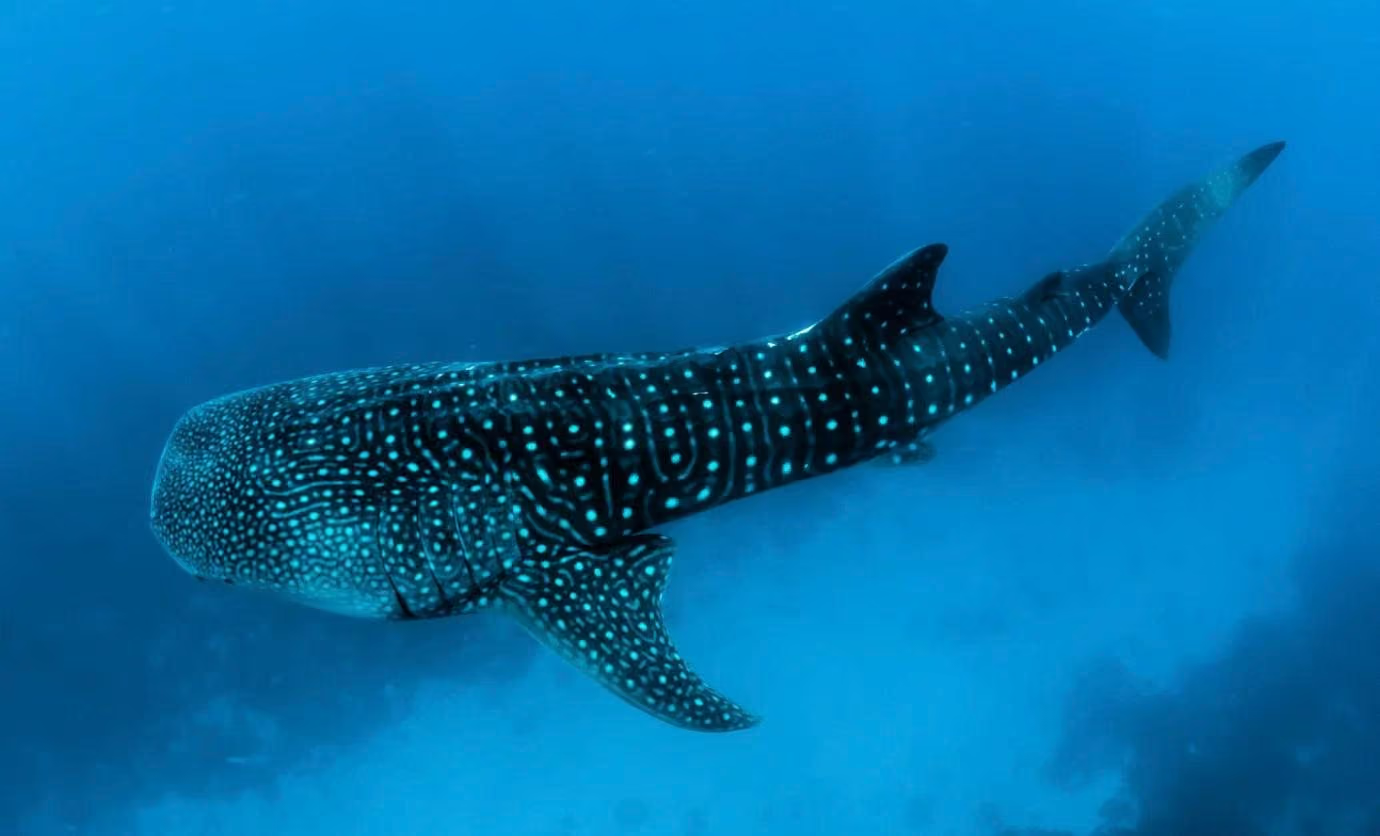
Whale sharks · South Ari
The gentle giant, all year
South Ari Atoll is one of the few places on earth with whale sharks year round. You swim alongside, never touch, and keep your distance; the spots on its back are as unique as a fingerprint.
After dark
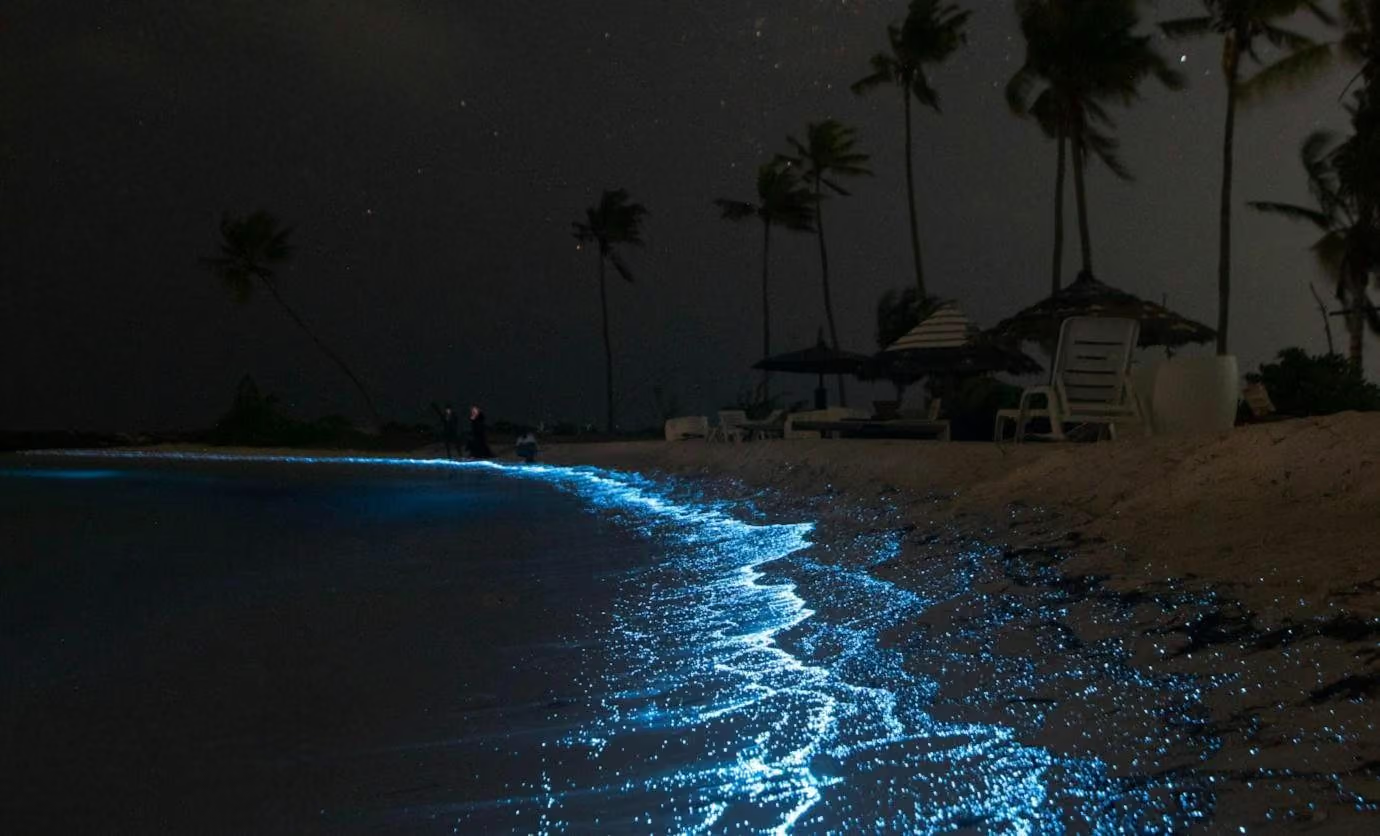
When the sea glows
On dark, moonless nights, plankton in the shallows lights up blue with every wave. You cannot book it, which is exactly why you will remember it.
- 10h
- Direct from London
- +5h
- Ahead of the UK in winter
- 27–30°C
- Sea, all year
- Dec–Apr
- The dry season
Planning the trip
Which atoll, how long, and how to get there
Choosing when to go is half the decision. The other half is where you stay, because in the Maldives your resort is your whole holiday: one island, one reef, one restaurant row. Match the atoll to the month and to the thing you most want to see.
- Close to MaléNorth and South MaléA speedboat ride from the airport, so you can land late and still sleep on your island. Best for short stays and for anyone wary of small planes.
- For mantasBaa AtollHome of Hanifaru Bay. Come between June and November and pick a resort that runs manta alerts, so you are in the water when they arrive.
- For whale sharksSouth AriWhale sharks along the outer reef all year, and some of the best house reefs in the country. A seaplane ride from Malé.
- Far and quietThe outer atollsA domestic flight then a boat. Fewer resorts, emptier reefs, and a longer transfer that is worth it for a stay of ten nights or more.
How long to stay
Seven nights is the minimum to make the long flight worthwhile; ten lets you slow right down. Many couples split a stay between two resorts, an overwater villa for the first half and a beach villa for the second, but every move costs half a day in transfers.
Seaplane, speedboat or flight
Resorts within about an hour of Malé use speedboats, which run after dark. Further out, a seaplane is part of the experience but flies only in daylight. The furthest atolls need a domestic flight and a boat. Your transfer is often the biggest hidden cost, so ask for it in the quote.
All inclusive or half board
There is nowhere else to eat, so resort prices are what you pay for every meal and drink. All inclusive usually works out cheaper for a week of cocktails and wine; half board suits lighter drinkers. Check what is excluded: excursions, spa and the best restaurants often are.
Questions people ask
The best time to visit the Maldives, answered
What is the best time to visit the Maldives?
December to April, the dry north-east monsoon, for the calmest seas, clearest water and most sunshine. February is the surest month of all. Expect the highest prices, especially over Christmas and New Year.
What is the cheapest time to go to the Maldives?
June, July and September, in the south-west monsoon. Showers come and go, but resorts cut rates hard, and many days are still bright. May, October and November are good-value shoulder months.
When is the rainy season in the Maldives?
May to November, the south-west monsoon, with May usually the wettest month. The rain tends to fall in short, heavy bursts rather than all day, and the sea stays around 27 to 30°C.
How long is the flight to the Maldives from London?
About ten hours direct from Heathrow to Malé, or around twelve to fourteen with one stop in the Gulf. Then add a seaplane or speedboat to your resort.
When can you see manta rays in the Maldives?
Hanifaru Bay in Baa Atoll has mantas from about June to November, with the biggest feeding gatherings from late July to early October. It is snorkel-only, with a certified guide, and a US$30 token buys 45 minutes in the water.
Do seaplanes fly at night?
No. Seaplanes fly in daylight only, so if your international flight lands in the evening you will spend the first night near Malé. Check your resort's transfer window before you book flights.
Keep exploring
- Where to stayThe Maldives: the shortlist20 hotels, each one recognised by named judges.
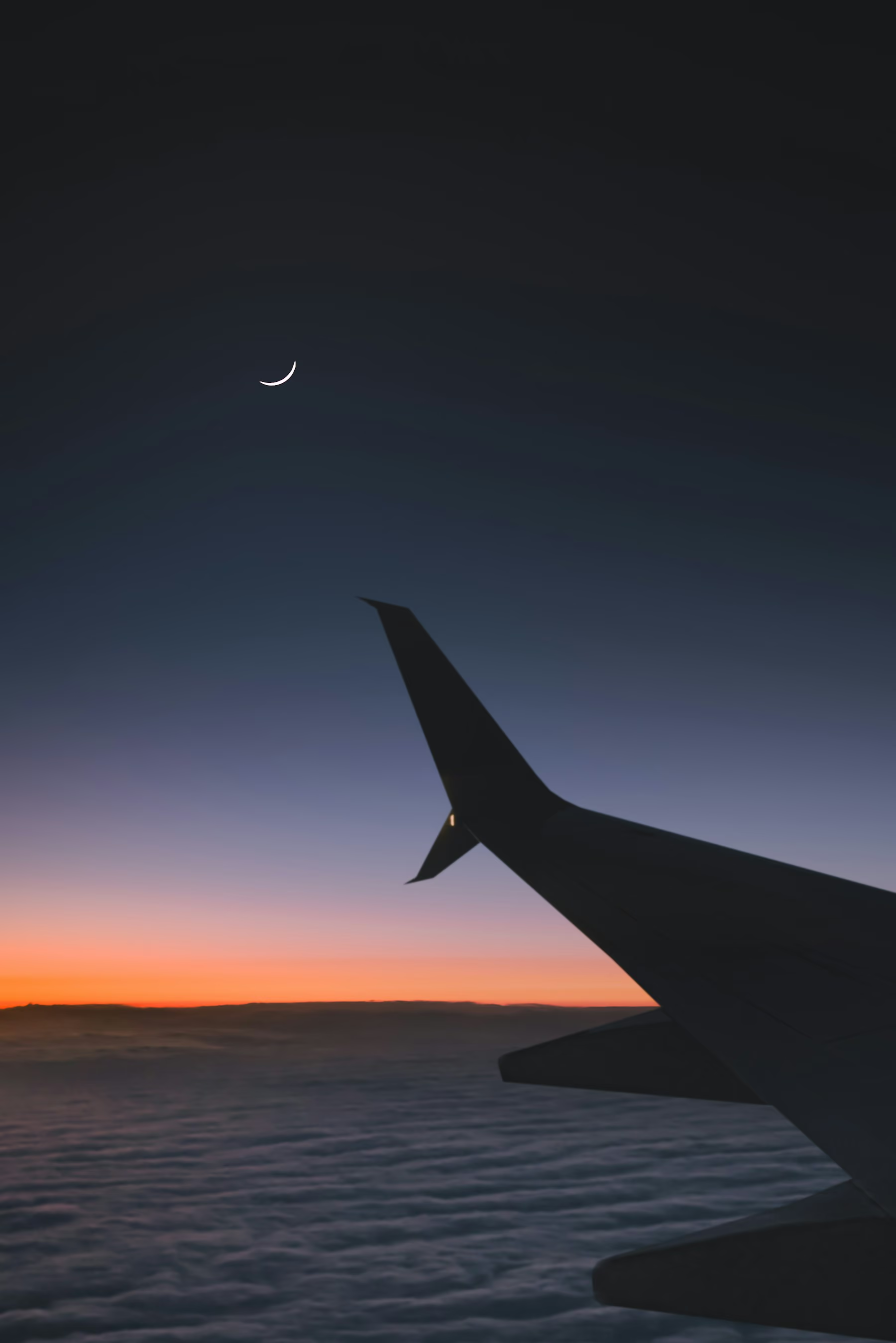 The journey · FlightsEmirates business classFrom the car at your door in London to the lights of Dubai, in ten moments.
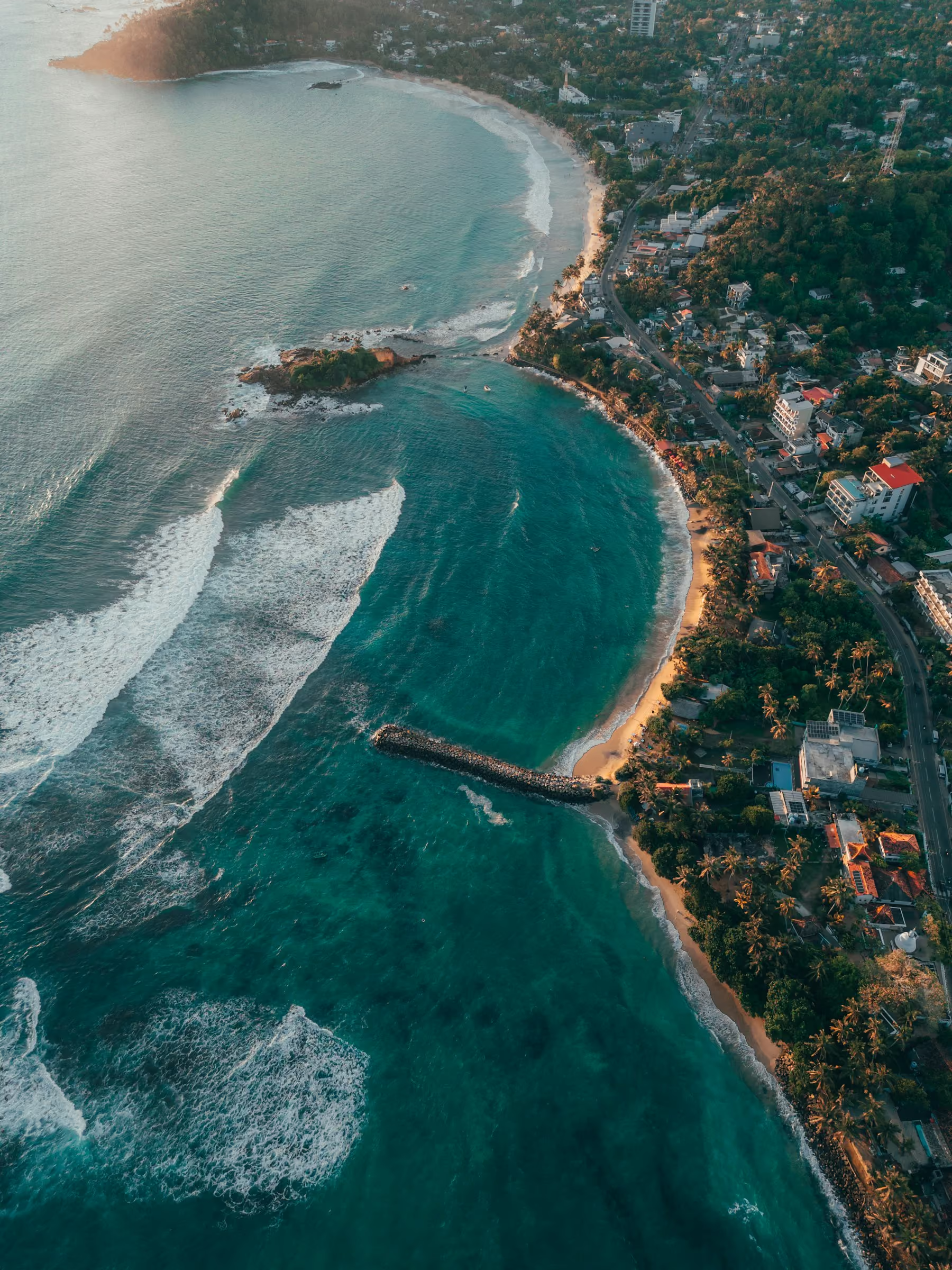 Pair it withSri Lanka, month by monthAt its best: Jan, Feb, Mar, Dec.
- Where to staySri Lanka: the shortlist11 hotels, each one recognised by named judges.