


Indian Ocean · When to go
The best time to visit Zanzibar, month by month
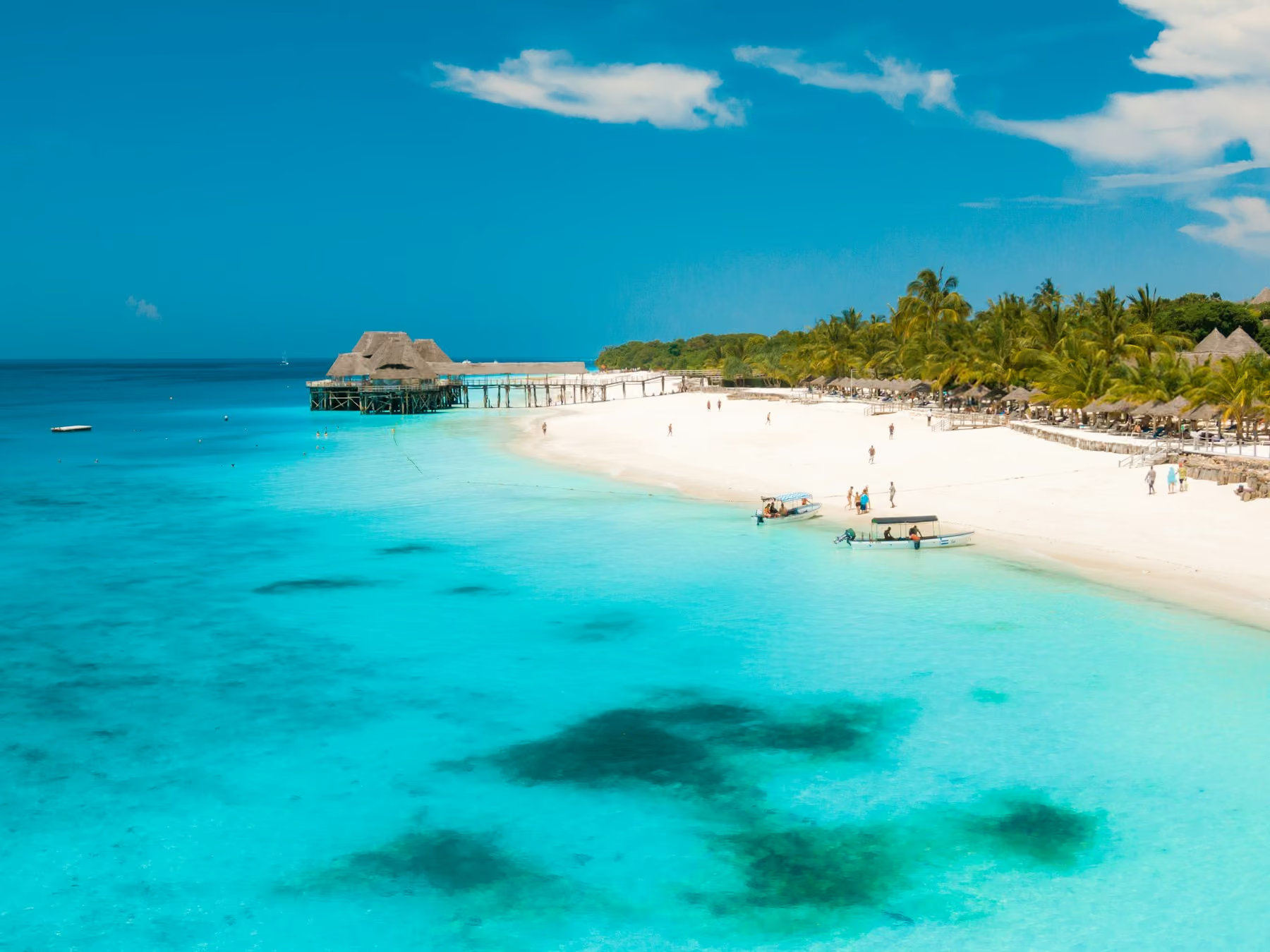
Two dry seasons, two monsoon winds and a tide that redraws the east coast twice a day: Zanzibar rewards the traveller who reads its calendar.
Photo: Unsplash
The short answer
When to go, in one paragraph
The best time to visit Zanzibar is June to October, when the long rains have passed, the Kusi wind cools the island and July to September are the driest months of the year. The second window runs from late December to February: hotter, around 29°C and above, with calm, clear water for diving and snorkelling. Avoid April and May, when the long rains peak and many beach lodges close. November brings the short rains, lighter but less predictable.
- For sunshineJun to OctThe cool dry season, with July to September the most reliable months.
- For heat and clear waterLate Dec to FebHot, mostly dry days and calm seas around the reefs.
- For music19 to 21 Mar 2027Sauti za Busara fills Stone Town, moved to follow Ramadan and Eid.
Checked on 16 October 2026 against Altezza Travel: When to visit Zanzibar, month by month, Expert Africa: Zanzibar weather and climate and The Africa Specialists: Zanzibar and islands, when to go.
Pick your month
Turn the year
- October
- The first half is excellent for beaches and diving. Temperatures rise and rain increases towards the end of the month.
- What's on
- End of the Mara crossings for a safari pairing
- Prices
- Shoulder: good value for dry weather
Dry seasonShort rainsLong rains
Zanzibar month by month
- JanuaryDry season · Peak early in the month, then HighThe short dry season settles in and gets drier as the month goes on. Daytime highs sit around 29 to 30°C and the sea is calm and clear. Kaskazi kite season; good diving visibility.
- FebruaryDry season · Shoulder: good value before the rainsOften the hottest month and one of the driest, with around 56mm of rain. In 2027 Ramadan is expected to begin on 8 February, which quietens Stone Town by day. Great Migration calving peaks in the southern Serengeti.
- MarchLong rains · Shoulder, with a festival spike in Stone TownThe long rains begin gradually, with heavy afternoon downpours and high humidity. Early March is still workable; some beach lodges start to close. Sauti za Busara, 19 to 21 March 2027.
- AprilLong rains · Low: many hotels closedThe wettest month by far, with around 400mm of rain. Many beach lodges close, some for refurbishment. Best avoided for a beach holiday. Green, quiet Stone Town; museums and sites stay open.
- MayLong rains · Low: the quietest monthRain continues, though temperatures ease towards 27°C. Lodges reopen late in the month as the island begins to dry out. Lush spice farms, with muddy paths.
- JuneDry season · Shoulder: fresh after the rainsThe long rains end, beach lodges reopen and the Kusi wind arrives. Highs around 26°C make this one of the most comfortable months. Humpback whales begin passing; kitesurf season opens.
- JulyDry season · Peak: book months aheadThe dry season in full swing, with about 48mm of rain and steady breezes. Among the best months of the year, and busy with it. Zanzibar International Film Festival in early July.
- AugustDry season · Peak: UK school holidaysDry, sunny and pleasantly cool, from about 20°C at night to 30°C by day. Usually the windiest month at Paje and the busiest on the island. Strongest Kusi winds; Mara River crossings in the Serengeti.
- SeptemberDry season · High, easing after the first weekOne of the best months for weather, with few rainy days and around 50mm of rain. Crowds thin once UK schools return. Whale season continues; calm reef days.
- OctoberDry season · Shoulder: good value for dry weatherThe first half is excellent for beaches and diving. Temperatures rise and rain increases towards the end of the month. End of the Mara crossings for a safari pairing.
- NovemberShort rains · Low: easy to bookThe short rains begin, lighter than the long rains but less reliable, and sometimes heavy. Humid and green, with few visitors on the beaches. Quiet beaches between showers.
- DecemberShort rains · Peak: the most expensive month; book six months aheadShowers continue early on and usually clear by Christmas, when the hot, dry season returns. Days can reach the mid 30s. Kaskazi wind returns mid month.
June to October · Stone Town
Coral stone and carved doors
Stone Town, a UNESCO World Heritage Site since 2000, is built from coral stone that gives the old quarter its warm, reddish cast. Its lanes are best walked in the cool dry months, when highs sit around 26°C and the air is light. Look for the carved doors, the rounded Indian style and the square Omani, then follow the seafront past the Old Fort and the House of Wonders. At dusk, Forodhani Gardens fills with grills and seafood stalls. During Ramadan the town is quiet by day and comes alive after iftar, when the night market runs late.
Dress modestly in town, covering shoulders and knees. Swimwear belongs on the beach and at your hotel, and this matters even more during Ramadan.

June to September · Paje
The east coast's tides and winds
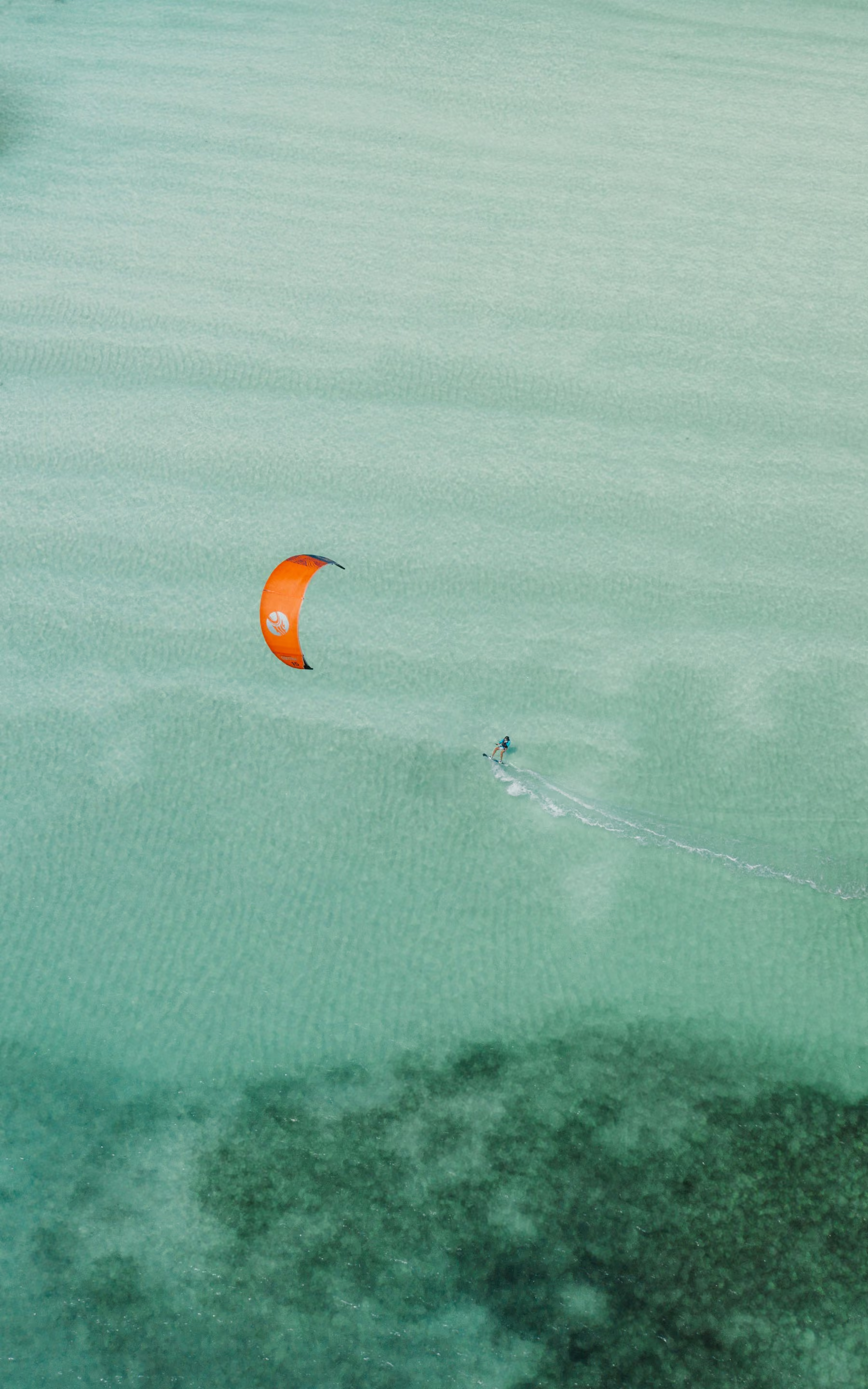
Paje is Zanzibar's kitesurfing capital, and it runs on two winds. The Kusi blows from the south from roughly June to September, usually strongest in August and building after lunch. The Kaskazi follows from mid December to February, gentler and less consistent, at around 12 to 25 knots. The tide shapes every session: at low water the inner lagoon empties and riders head for the outer sandbanks, while mid tide brings ankle to waist deep flat water. The biggest tides come around the new and full moon. For swimming at any hour, the north coast at Kendwa is the better choice.
Ask your hotel for the week's tide table on arrival. Mid tide is the sweet spot for kiting, and watch for the sticks of the seaweed farms in the lagoon.
Late December to March · Mnemba
The reef off Muyuni
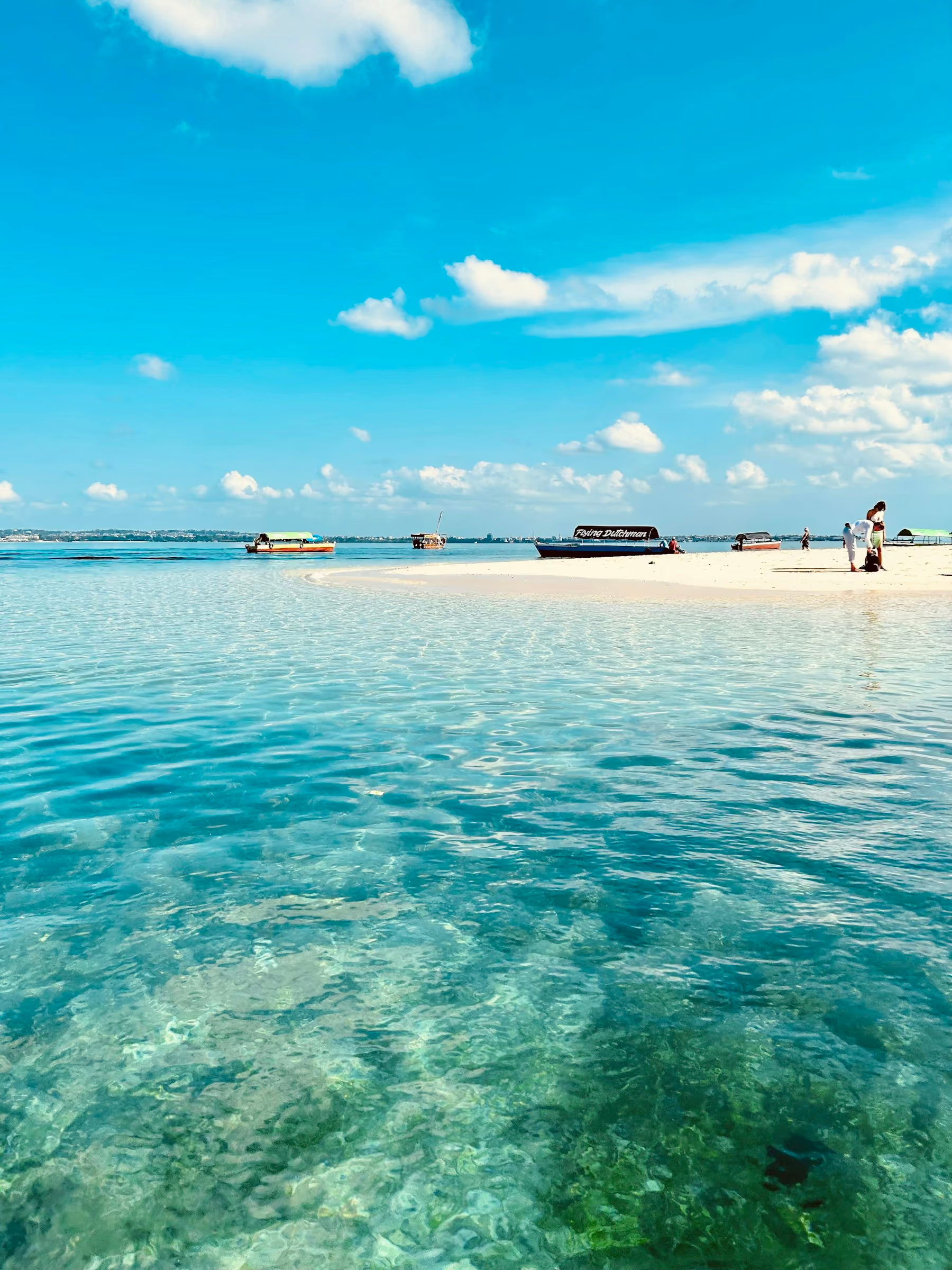
Mnemba is a small island about 3km off Zanzibar's north east coast, opposite Muyuni Beach, and its reef, an oval about 7 by 4km, is a marine conservation area. Visibility typically runs from 20 to 40 metres, and the calm, clear water of the hot dry season is ideal for snorkelling and diving. Green turtles nest on the island's beaches, with hatchlings emerging about 55 days later. Dolphins are often seen here too. The island itself is private, home to &Beyond's barefoot Mnemba Island Lodge; other boats may visit the reef but not land.
Mnemba Island Lodge closes from early April to late May. Guests must be 12 or over, and the transfer is a 10 minute boat ride from Muyuni.
March to May · Spice farms
Cloves and cinnamon in the rains
The long rains are the one season to plan around, but they turn the island's spice farms a deep, glossy green. Tours to farms such as Kizimbani or Kidichi, near Stone Town, take two to three hours and run all year, passing clove trees, cinnamon, nutmeg, vanilla, cardamom and black pepper. Expect regular afternoon showers from March to May and muddy, slippery paths, so go in the morning. Many beach lodges close in April and May, so a rainy season visit works best as a short Stone Town stay with a spice farm and a long lunch.
Wear closed shoes and avoid white clothes, as turmeric stains. Buy spices at Darajani Market in Stone Town rather than at the farms, where prices are higher.

February or July to October · Serengeti
Safari first, then the sea
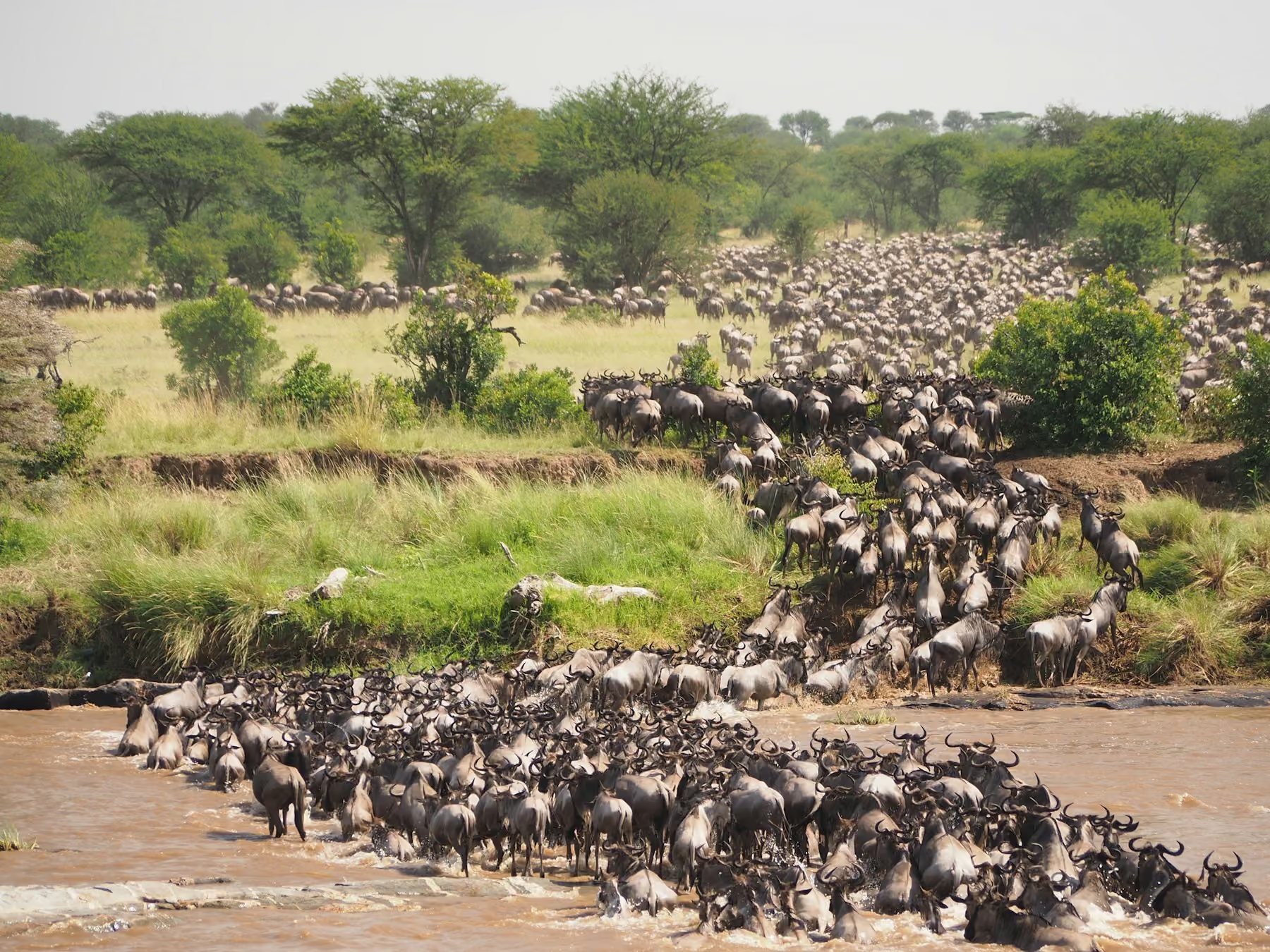
Zanzibar is the natural ending to a Tanzanian safari, and the two calendars fit neatly. From July to October the Great Migration reaches the Mara River in the northern Serengeti, with crossings at their peak in August, exactly when Zanzibar is dry and breezy. In the other window, the herds gather on the southern Serengeti and Ndutu plains to calve from January to March, with February the peak, when roughly 500,000 calves are born in a few weeks. Daily flights link the Serengeti and Arusha to Zanzibar, most with a change in Dar es Salaam.
Put the safari first and the beach last, so you finish rested. Avoid April and May for both: the Serengeti is wet and many Zanzibar lodges close.
- 12h 55m
- London Heathrow to Zanzibar via Nairobi, one stop
- 401mm
- Average April rainfall, the wettest month
- 47mm
- Average August rainfall, among the driest months
- 19 Mar
- Sauti za Busara 2027 opens in Stone Town
Planning the trip
Where to stay, how long, and how to get there
Zanzibar works best as two bases: a night or two in Stone Town, then a beach chosen by the season and the tide. Allow a week on the island alone, or ten days to two weeks with a safari. Book the peak months early, and plan around the long rains and Ramadan.
- July to OctoberSafari and beachFour nights in the northern Serengeti for the Mara crossings, then a week on Zanzibar's coast. It is the best time to visit Zanzibar for a combined trip, with dry, breezy days on the island. Expect peak demand in July and August.
- Late December to FebruaryThe warm water winterSwap British winter for 29°C days and clear reefs. Snorkel or dive Mnemba, kite the Kaskazi at Paje and add the calving herds in the southern Serengeti in February. Christmas and New Year are the hardest weeks to book.
- June to SeptemberThe kite seasonBase yourself on the east coast at Paje or Jambiani for the Kusi wind, strongest in August. Book a hotel with a tide table at the desk, and plan a day on the north coast at Kendwa, where the sea stays swimmable all day.
- Mid to late MarchStone Town and BusaraSauti za Busara runs from 19 to 21 March 2027, after Ramadan and Eid. Stay in Stone Town for the music, then head to a beach before the long rains settle in. Expect some showers and a lively, sociable town.
Getting there
There are no direct flights from London to Zanzibar. The usual route is one stop via the Gulf or East Africa: Kenya Airways via Nairobi takes around 12 hours 55 minutes in the air, Qatar Airways via Doha about 13 hours, and Ethiopian via Addis Ababa about 12 hours. A short 20 minute hop from Dar es Salaam is another option.
How long to stay
Two nights in Stone Town and five to seven on the coast is a good first trip. With a safari, allow four nights in the Serengeti before the beach. If you split the coast, pair the east for kiting and reefs with the north at Nungwi or Kendwa, where the tide matters far less.
Booking and prices
July, August and December are the peak months, with December the most expensive and the festive weeks fully booked; book about six months ahead. February, June and November offer better value. In April and May many lodges close. During Ramadan, restaurants outside hotels close by day, though hotels serve guests as normal.
Questions people ask
The best time to visit Zanzibar, answered
What is the best time to visit Zanzibar?
June to October is the best time to visit Zanzibar for most travellers, with July to September the driest and most reliable months. Late December to February is the second dry window, hotter and ideal for diving. Avoid April and May, when the long rains peak at around 400mm in April and many beach lodges close.
When is the rainy season in Zanzibar?
Zanzibar has two rainy seasons. The long rains run from March to May, peaking in April with heavy afternoon downpours and high humidity. The short rains fall in November and into December, usually lighter but less predictable, and they normally clear by Christmas. Weather patterns are becoming less predictable, so treat these as averages.
When is Ramadan in 2027, and should I visit then?
Ramadan 2027 is expected to run from about 8 February to 8 March, with Eid al-Fitr around 9 March, subject to the moon sighting. You can still visit: hotels serve guests as usual. Restaurants outside hotels close by day, and eating in public in daylight is considered disrespectful. Stone Town is quiet by day and lively after iftar.
When is the best time for kitesurfing in Zanzibar?
The Kusi wind blows from roughly June to September and is usually strongest in August. The Kaskazi follows from mid December to February, gentler at around 12 to 25 knots and less consistent. Avoid April and May. At Paje, mid tide gives the best mix of flat, shallow water for most riders.
When can you see whales and dolphins in Zanzibar?
Humpback whales pass from around June to November, with June to August giving the best chances. Bottlenose dolphins live year round off Kizimkazi in the south, and spinner dolphins are often seen near Mnemba. Go early in the morning, when seas are calmer, and choose an operator that keeps its distance from the pods.
How long is the flight from London to Zanzibar?
There is no direct flight. One stop routes take around 12 to 13 hours of flying: about 12 hours 55 minutes via Nairobi with Kenya Airways and about 13 hours via Doha with Qatar Airways. Allow for the connection on top, and consider business class for the overnight leg.
Keep exploring
 Where to staySafari lodges: the shortlist10 lodges, each one recognised by named judges.
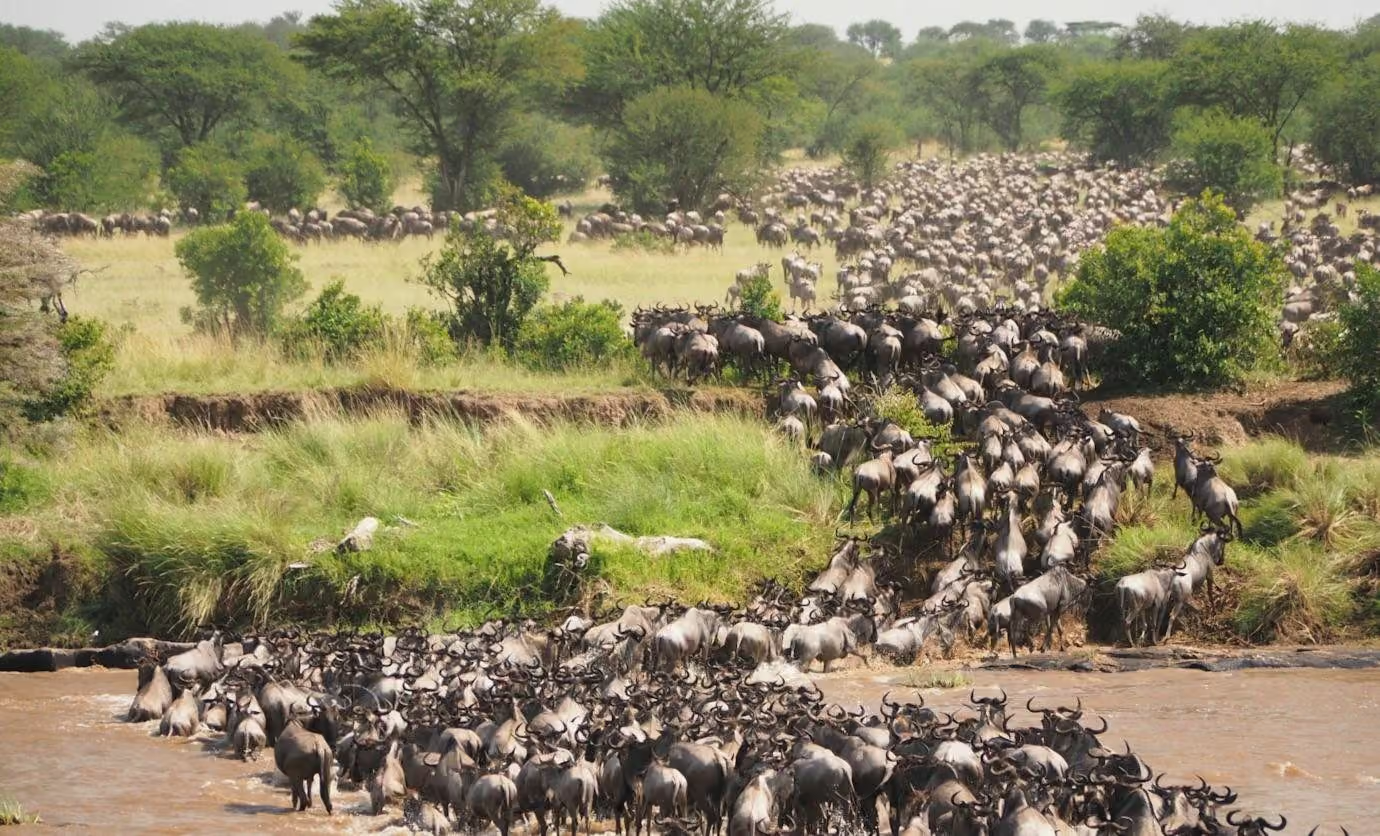 The journey · WildThe Great MigrationWhere two million animals will be, and where you should be waiting.
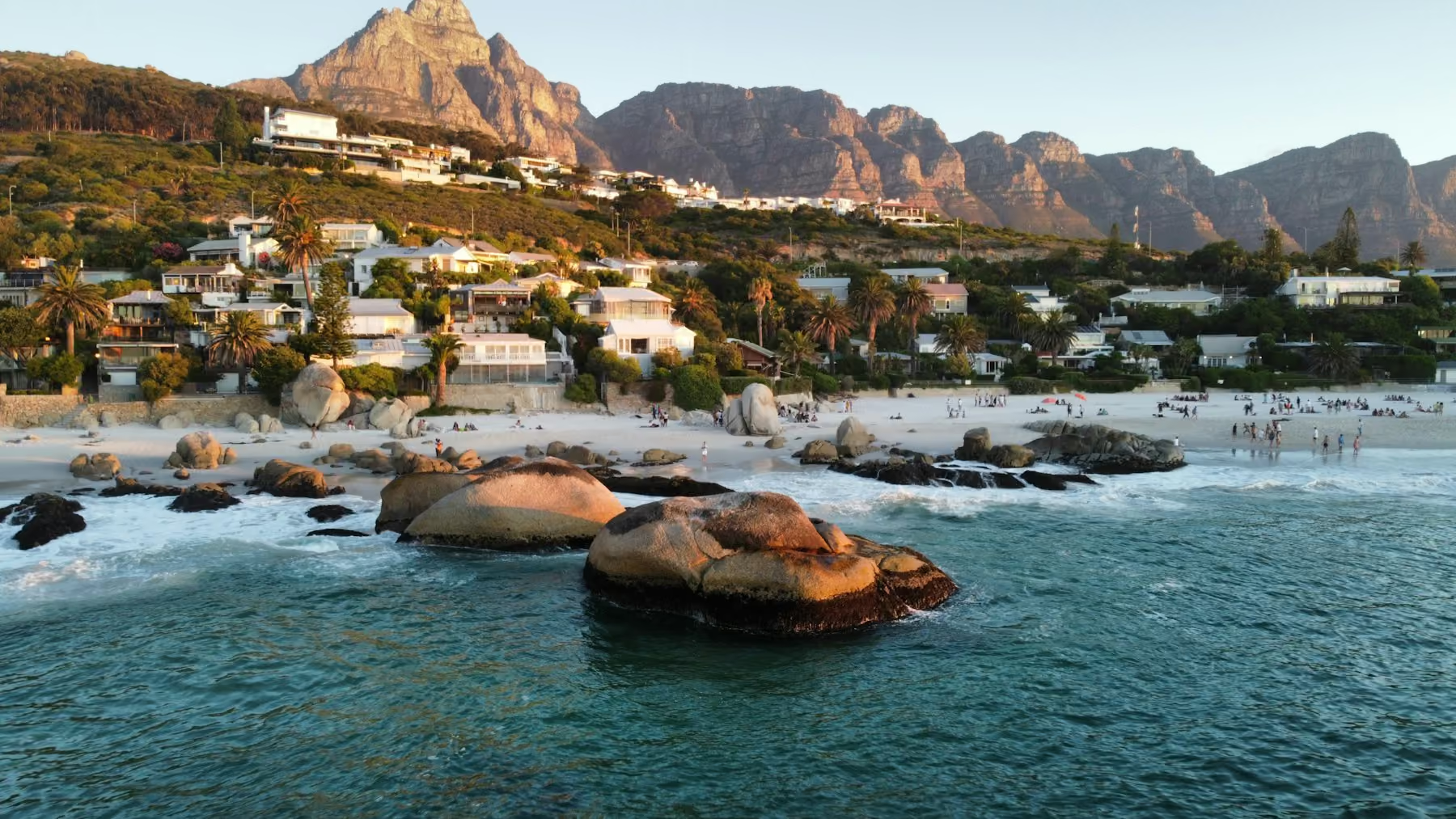 Pair it withSouth Africa, month by monthAt its best: Jan, Feb, Mar, Nov, Dec.
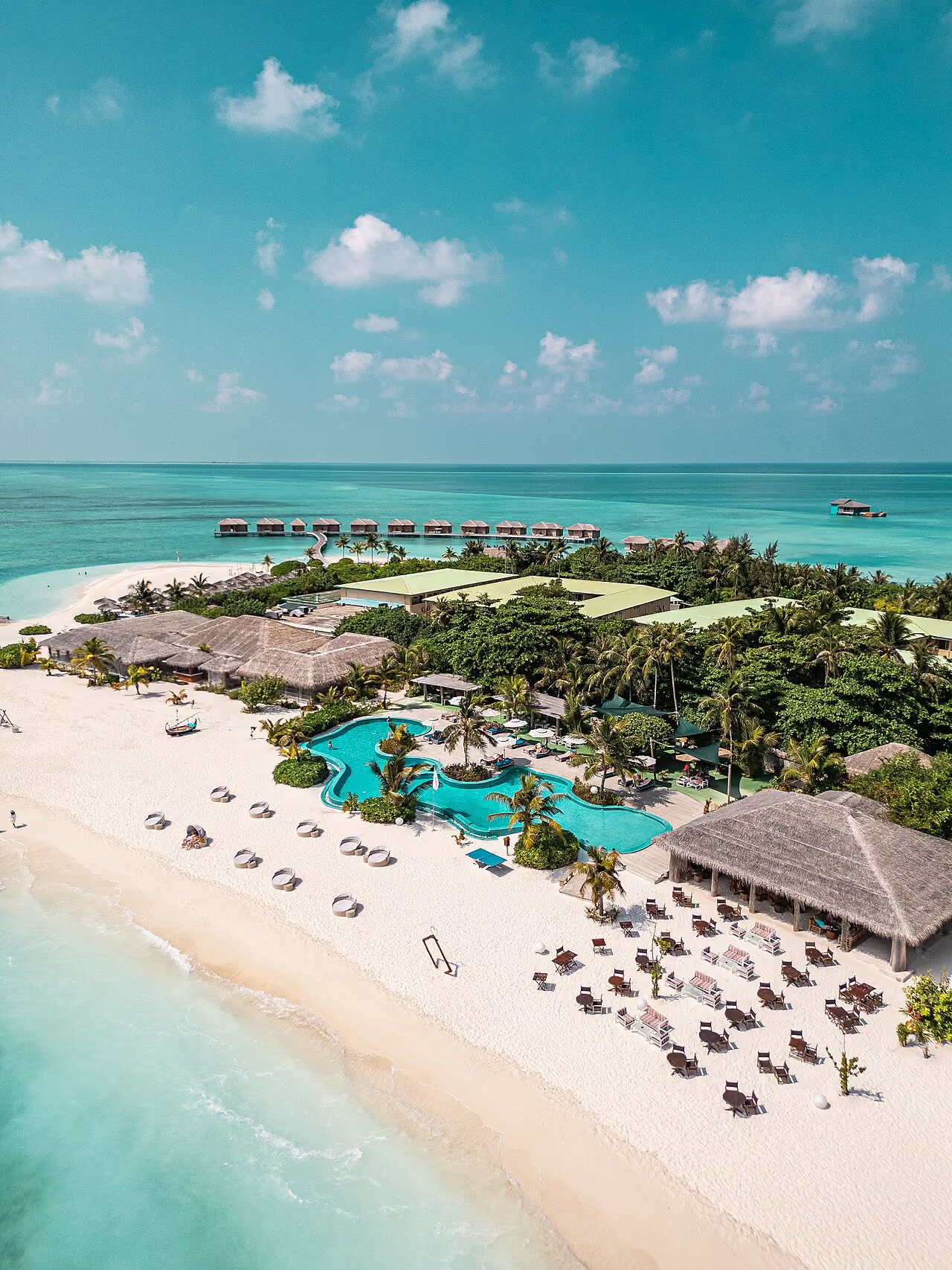 Pair it withThe Maldives, month by monthAt its best: Jan, Feb, Mar, Apr, Dec.